
API 6A Gate Valve: The Standard Isolation Valve for Oil & Gas
The API 6A gate valve is the standard isolation valve used on wellheads, Christmas trees, manifolds and process piping in oil and gas service. It is designed for fully open or fully closed operation —not for flow control. When open, it provides a straight-through flow path with minimal pressure drop.
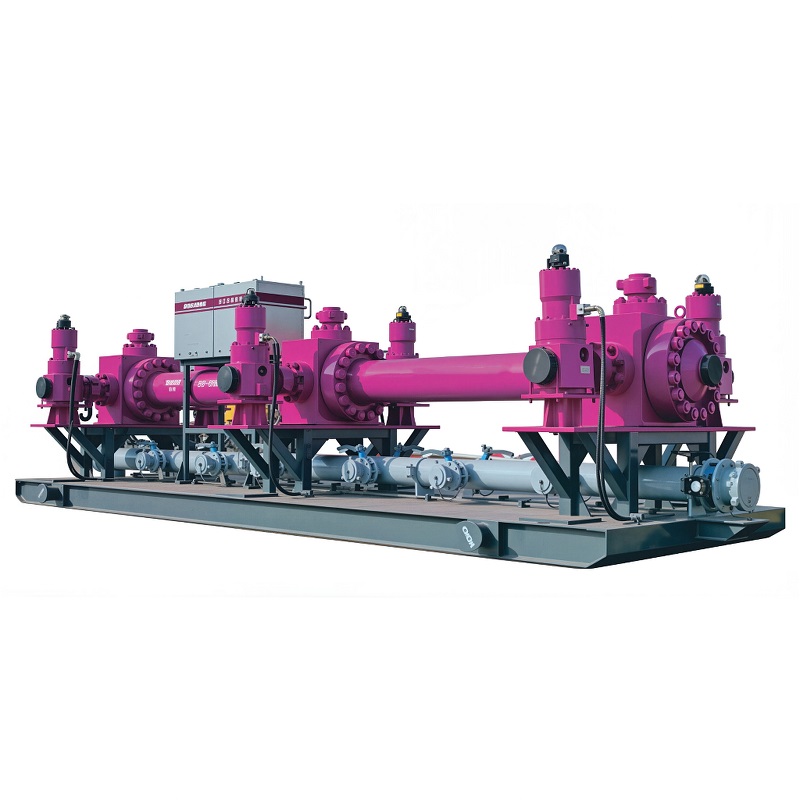
How a Gate Valve Works
The gate valve uses a sliding wedge or slab to block or allow flow:
- Gate/wedge: A rectangular or wedge-shaped disc that moves up and down
- Rising stem: Threaded stem that raises and lowers the gate as the handwheel turns
- Seat rings: Two seats (one on each side of the gate) that seal against the gate when closed
- Open position: Gate is fully raised, creating a straight-through bore for flow
- Closed position: Gate is fully lowered, wedging between seats to block flow
- Bonnet: Top cover that contains the stem packing and stem seals
Gate valves are designed for isolation, not throttling. If you partially open a gate valve to control flow, the gate and seats will erode rapidly due to high-velocity flow past the partially opened gate.
Typical Specifications
| Parameter | Typical Range |
|---|---|
| Valve size | 2 - 12 inch (50 - 300 mm) |
| Pressure rating | 2,000 - 15,000 psi (140 - 105 MPa) |
| Standard | API 6A (wellhead and Christmas tree equipment) |
| End connection | Flanged, threaded, or welded ends |
| Actuation | Manual (handwheel), gear operated, or hydraulic/pneumatic actuated |
| Temperature class | PU (0-120°C), PR (-29-120°C), up to XX (up to 180°C) |
Our Gate Valve Range
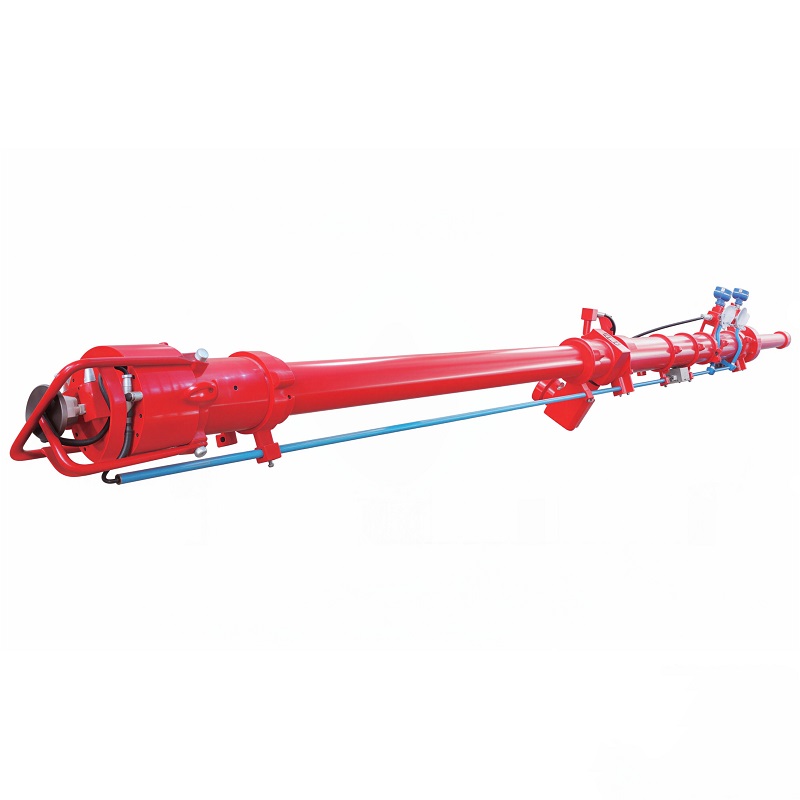
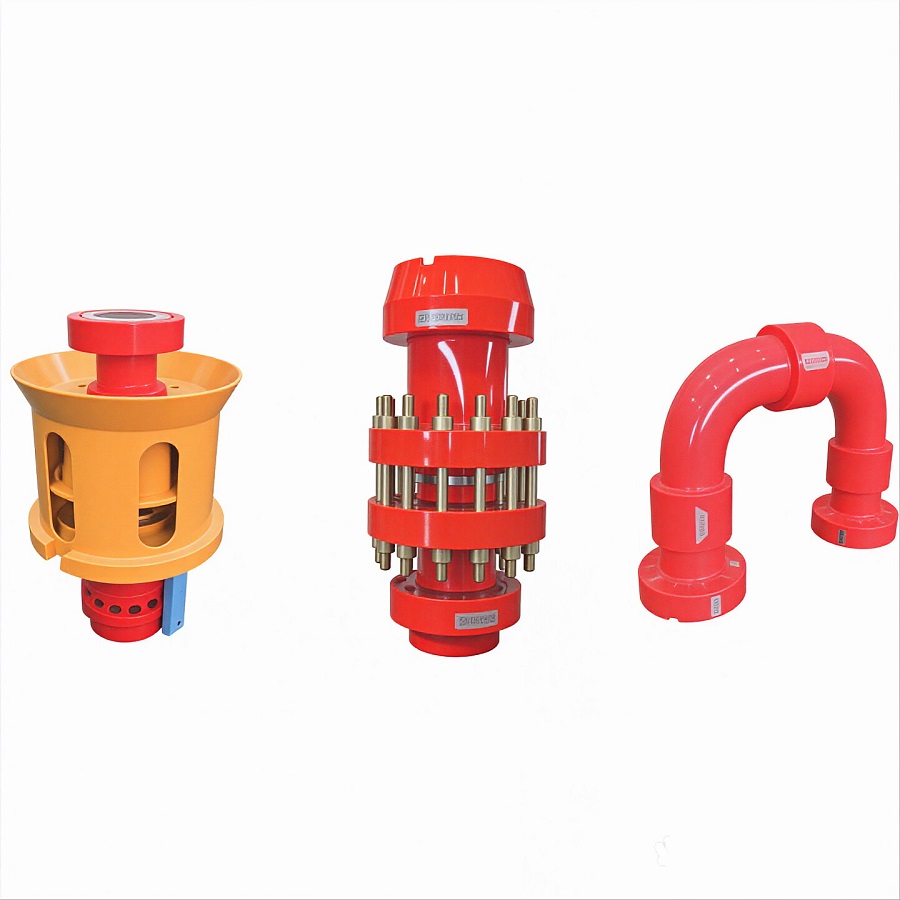

Frequently Asked Questions
What is the difference between a gate valve and a plug valve?
A gate valve uses a sliding gate (up/down motion) to block flow. A plug valve uses a rotating cylindrical plug (quarter-turn motion) to block flow. Gate valves are better for high-pressure, large-size applications. Plug valves are better for frequent operation and slurry service. Gate valves are slower to operate (multiple handwheel turns); plug valves are faster (90-degree turn). Both are isolation valves, but they suit different applications.
Can I use a gate valve for flow control?
No. Gate valves are designed for fully open or fully closed operation only. If you partially open a gate valve to control flow rate, the high-velocity flow past the partially opened gate will rapidly erode the gate and seats. This causes premature failure and leaks. For flow control, use a globe valve, choke valve or control valve designed for throttling service.
What API 6A material class do I need?
API 6A defines several material classes based on the fluid service: AA (standard production), BB (CO2 service), CC (H2S service, sour service), DD (CO2 + H2S), EE (more severe sour service). If your well produces H2S (sour gas), you need NACE MR0175 compliant materials (CC or higher). If your well is sweet (no H2S), AA or BB is sufficient. Tell us the well conditions (H2S partial pressure, CO2, temperature) and we'll specify the right material class.
Need an API 6A Gate Valve?
Tell us your required size, pressure rating and end connection. Our engineering team will recommend the right valve configuration and provide a quote within 48 hours.