Selection logic and buyer context
Traveling Hook OEM becomes useful when the buyer needs supplier validation rather than a broad product description.
The buyer normally uses this term to narrow down one part of the travelling hook family before a sourcing discussion starts.
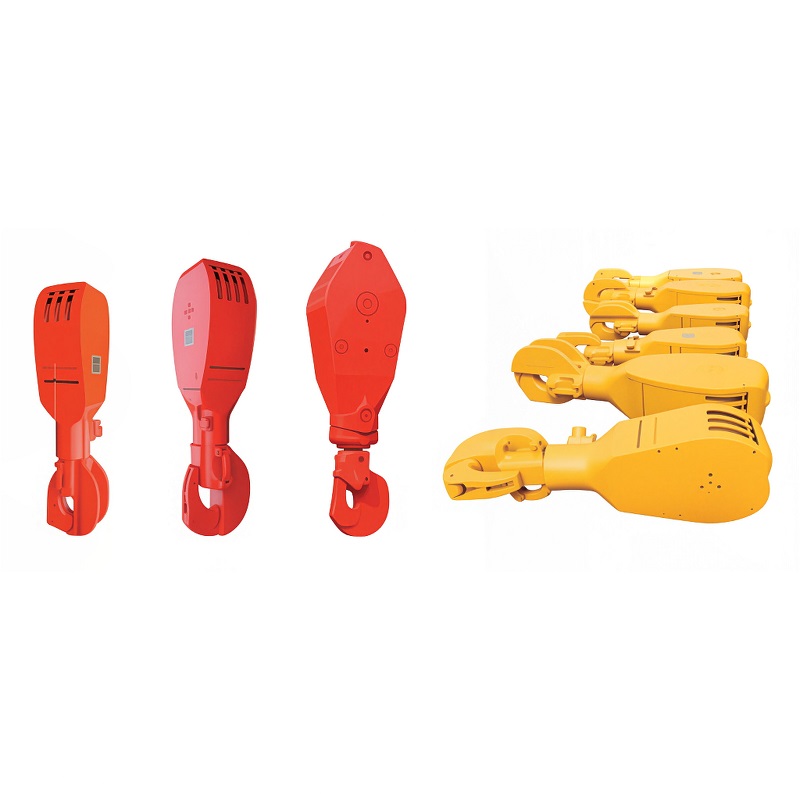
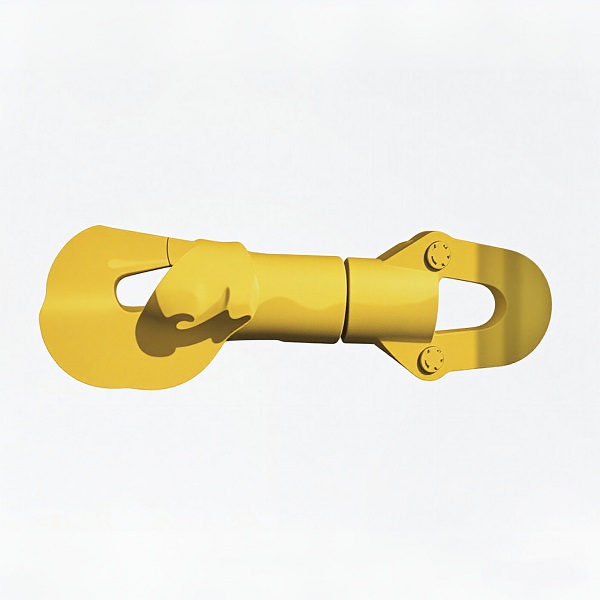
That image pairing helps the reader trust the keyword-family match before moving to the detail page.
What this keyword is really telling the buyer
Supplier route
The search is sourcing-led. Buyers are checking who can make, export and support the item.
Travelling Hook
The term stays inside the travelling hook sourcing lane instead of drifting into a generic search.
Check load rating and how the hook integrates with the block and elevators.
Confirm the lifting path and compatibility with the rig package. Review wear items and the service interval expected in field work.
Ask for factory scope and export support
Send the destination market, delivery window and any OEM note with the inquiry.
What the page should keep aligned
Drilling Hoist
For Drilling Hoist, the page should highlight wear resistance, load path and how the unit integrates with the rest of the rig.
Workover Chain
For Workover Chain, the page should highlight wear resistance, load path and how the unit integrates with the rest of the rig.
Load Transfer
For Load Transfer, the page should highlight wear resistance, load path and how the unit integrates with the rest of the rig.
Rig Lifting
For Rig Lifting, the page should highlight wear resistance, load path and how the unit integrates with the rest of the rig.
Need a quotation?
Use the inquiry to move from the search term into a real project brief.
Keep the request short but specific: model scope, site condition and any custom interface requirements are enough to start a useful reply.