
Primary Recovery (5–15%)
Initial production using natural reservoir energy. Recovery factor is typically low —5–15% of original oil in place. Most fields decline rapidly after primary production.
Most oil fields enter a decline phase after primary production. Enhanced Oil Recovery (EOR) techniques —thermal, chemical, gas injection, and waterflood —can increase recovery from mature fields by 10–20% or more. We supply equipment for EOR operations: injection pumps, chemical injection systems, thermal recovery equipment, and production optimization solutions.
Most oil fields recover only 20–30% of the original oil in place during primary and secondary production. EOR can significantly increase this recovery factor.
Initial production using natural reservoir energy. Recovery factor is typically low —5–15% of original oil in place. Most fields decline rapidly after primary production.
Water injection to maintain reservoir pressure and displace oil. Increases recovery to 20–30%. But eventually the water cut becomes too high and production becomes uneconomic.
EOR techniques (thermal, chemical, gas) can increase total recovery to 30–40% or more. This is the last phase of production before final abandonment. EOR can extend field life by decades.
EOR can be highly economic for mature fields —the infrastructure is already in place, and the incremental oil can be produced at relatively low cost. Many mature field operators are turning to EOR to extend field life and maximize asset value.
Different EOR methods require different types of equipment:
Steam injection reduces oil viscosity in heavy oil reservoirs. Equipment: steam generators, injection pumps, production handling systems. Common in heavy oil fields (Venezuela, Canada, China).
Chemical additives (polymer, surfactant, alkali) improve oil displacement efficiency. Equipment: chemical injection pumps, mixing systems, metering pumps. Used in sandstone carbonate reservoirs.
Gas injection (CO2, natural gas, nitrogen) miscibly displaces oil. Equipment: gas compressors, injection pumps, metering systems. CO2-EOR is the most established commercial EOR method.
Improved waterflood through better injection control, well pattern optimization, and smart injection systems. Equipment: high-pressure injection pumps, flow control valves, monitoring systems.
We supply a range of equipment for EOR and mature field optimization operations:
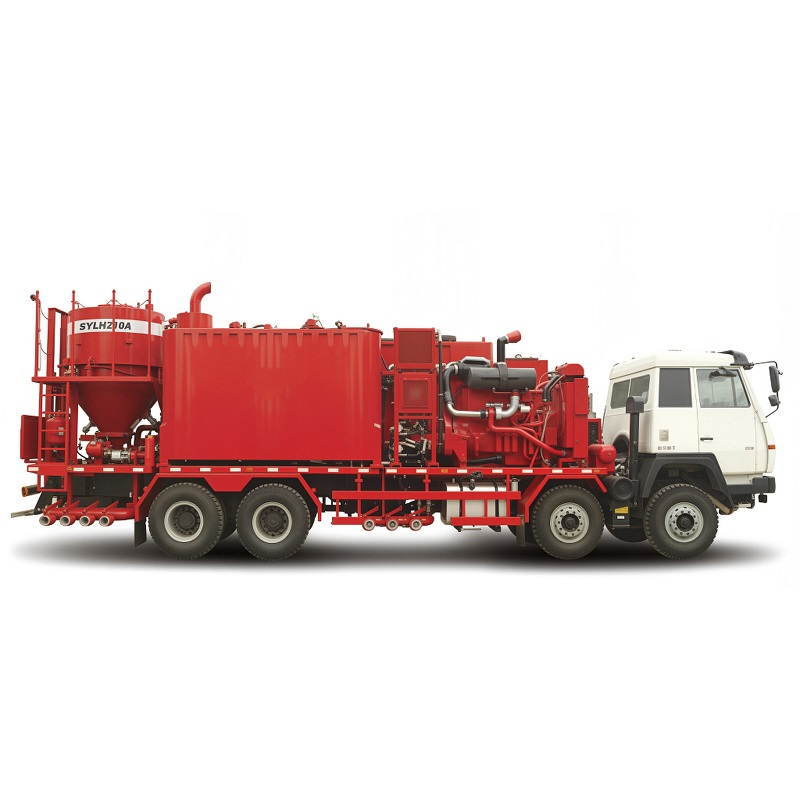
High-pressure injection pumps for waterflood, chemical injection, and polymer injection operations.
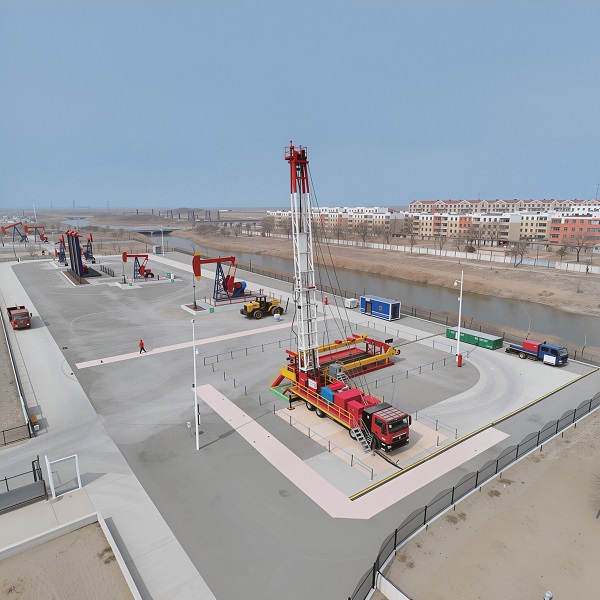
High-pressure injection manifolds, control valves, and metering systems for EOR injection operations.
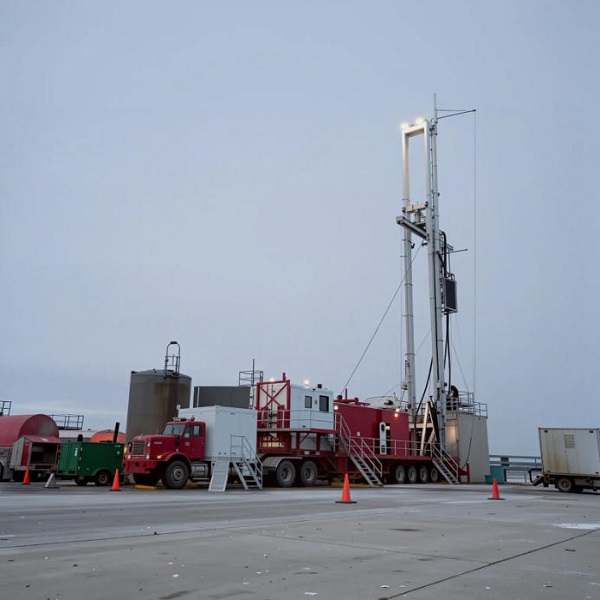
Workover rigs for recompletion, workover, and well intervention in mature EOR fields.
EOR equipment is used across a range of mature field operations:
Heavy oil fields where steam injection reduces oil viscosity. Common in Canada, Venezuela, China (Liaohe, Xinjiang), and California. Requires steam generation and injection equipment.
Mature sandstone reservoirs where polymer or ASP (alkali-surfactant-polymer) flooding improves oil recovery. Common in China (Daqing, Shengli) and the US Midwest.
CO2 injection for miscible displacement in carbonate and sandstone reservoirs. Common in the Permian Basin (USA) and elsewhere. Requires CO2 supply, compression, and injection equipment.
Gas lift optimization for mature wells. Properly designed gas lift systems can improve production from aging wells. Equipment: gas compressors, gas lift valves, monitoring systems.
The best EOR method depends on your reservoir characteristics: oil gravity, reservoir temperature, rock type, water salinity, and available injectants. Thermal recovery works best for heavy oil reservoirs. Chemical EOR works well for medium-light oil sandstone reservoirs. CO2 flooding works best in reservoirs with sufficient oil thickness and pressure above minimum miscibility pressure. Tell us your reservoir characteristics, and our engineers will help you select the most appropriate EOR method.
For polymer flooding EOR, you need: (1) polymer solution preparation and mixing system, (2) high-pressure injection pumps to inject the polymer solution into the reservoir, (3) injection manifolds and flow control valves to distribute injection among wells, and (4) metering and monitoring systems to track injection rates. We can supply a complete polymer injection system package. Tell us your injection rate requirements and well count, and we will recommend the right system size.
We supply high-pressure injection pumps and injection manifolds for CO2 EOR operations. CO2 compressors are typically sourced from specialized compressor manufacturers. We work with our partners to provide a complete CO2 injection system package. Tell us your CO2 supply source (natural CO2, industrial CO2, captured CO2) and injection requirements, and we will help you design the system.
EOR can increase total oil recovery by 10–20% or more above waterflood recovery. The exact increase depends on the EOR method, reservoir characteristics, and implementation quality. Thermal recovery can be very effective for heavy oil (increasing recovery to 50–70%+). Chemical EOR typically increases recovery by 10–15%. CO2 flooding typically increases recovery by 10–20%. Many factors affect the actual recovery increase —detailed reservoir engineering study is recommended.
Yes. We work with reservoir engineering partners to provide EOR feasibility studies, pilot design, and implementation support. We supply the equipment, and our engineering partners help with reservoir modeling, lab testing, and field implementation. Contact us to discuss your EOR project and we will connect you with the right engineering resources.
Tell us about your field type, oil gravity, current recovery factor, and EOR method of interest. Our engineers will help you specify the right injection and production equipment for your mature field optimization project.