Complete Overview | All Pump Types & Applications

Oilfield Pumping Equipment: Complete Overview

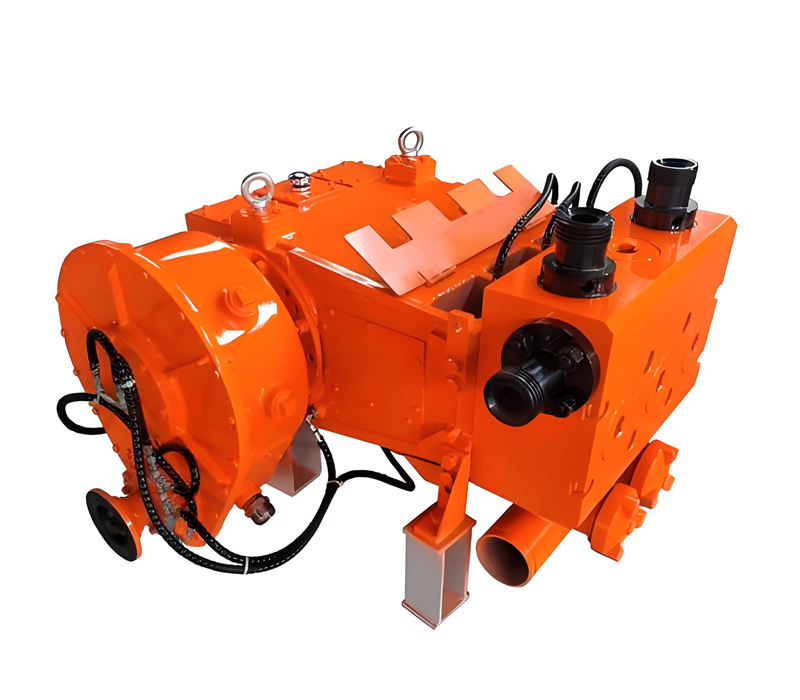
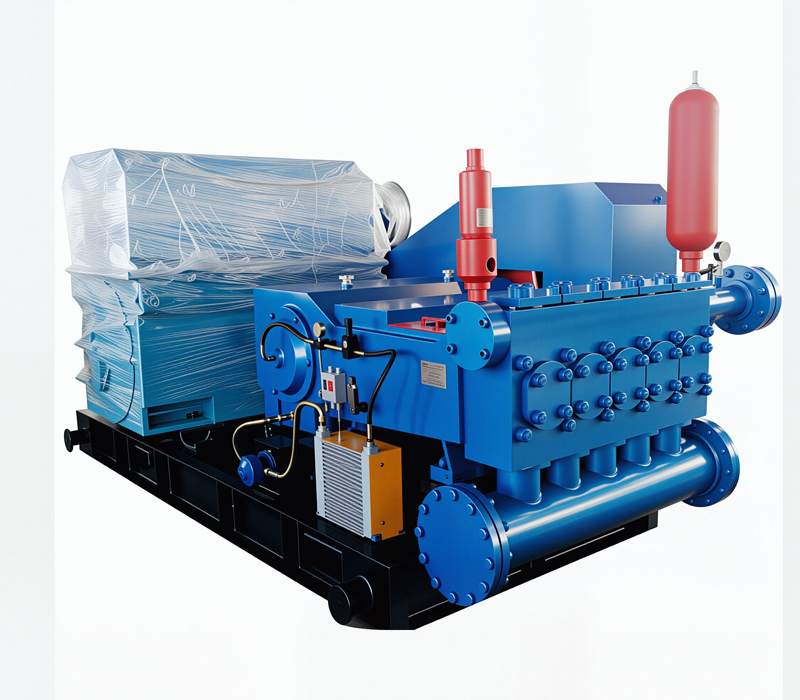
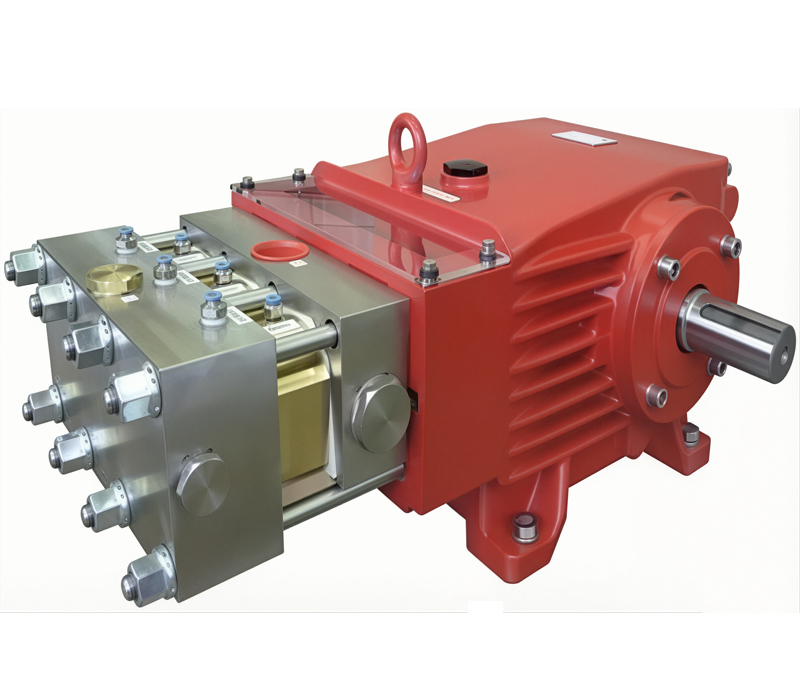
Oilfield pumping equipment encompasses all the pumps used in the oil and gas industry —from drilling mud pumps to cementing pumps, fracturing pumps, workover pumps, and chemical injection pumps. Each type of pump is designed for a specific application with unique flow, pressure and fluid requirements.

Oilfield pumping equipment overview

Main Types of Oilfield Pumps

Drilling Mud Pumps

Purpose: Circulate drilling fluid during well drilling. Characteristics: High flow rate (300-1500 L/min), moderate pressure (5-35 MPa), handles abrasive mud. Types: Triplex (modern standard), duplex (older design). Used on all drilling rigs —typically two per rig (one operating, one standby).

Cementing Pumps

Purpose: Pump cement slurry during primary and remedial cementing. Characteristics: Moderate flow (100-300 L/min), high pressure (20-70 MPa), handles abrasive cement. Types: Triplex plunger pumps, often truck-mounted. Used by cementing service companies for well cementing operations.

Fracturing Pumps

Purpose: Pump fracturing fluid during hydraulic fracturing. Characteristics: Very high flow (1000-2500 L/min), very high pressure (70-105 MPa), handles abrasive proppant-laden fluid. Types: Quintuplex plunger pumps, 2500+ HP each. Multiple pumps manifolded together for large frac jobs.

Workover Pumps

Purpose: Pump treatment fluids during well workover. Characteristics: Moderate flow (100-500 L/min), medium-high pressure (20-70 MPa), versatile for various fluids. Types: Triplex plunger pumps, truck or skid mounted. Used by workover service companies for well intervention.

Chemical Injection Pumps

Purpose: Inject chemicals into production flowlines. Characteristics: Very low flow (0.1-10 L/hr), precision metering, various pressures. Types: Diaphragm metering pumps, plunger metering pumps. Used for corrosion inhibitors, scale inhibitors, demulsifiers, and other production chemicals.

Production Pumps

Purpose: Lift produced fluids from wells (artificial lift). Characteristics: Various flow/pressure depending on application. Types: Beam pumps (sucker rod pumps), ESPs (electric submersible pumps), progressive cavity pumps, gas lift systems. Used when reservoir pressure is insufficient to lift fluids naturally.

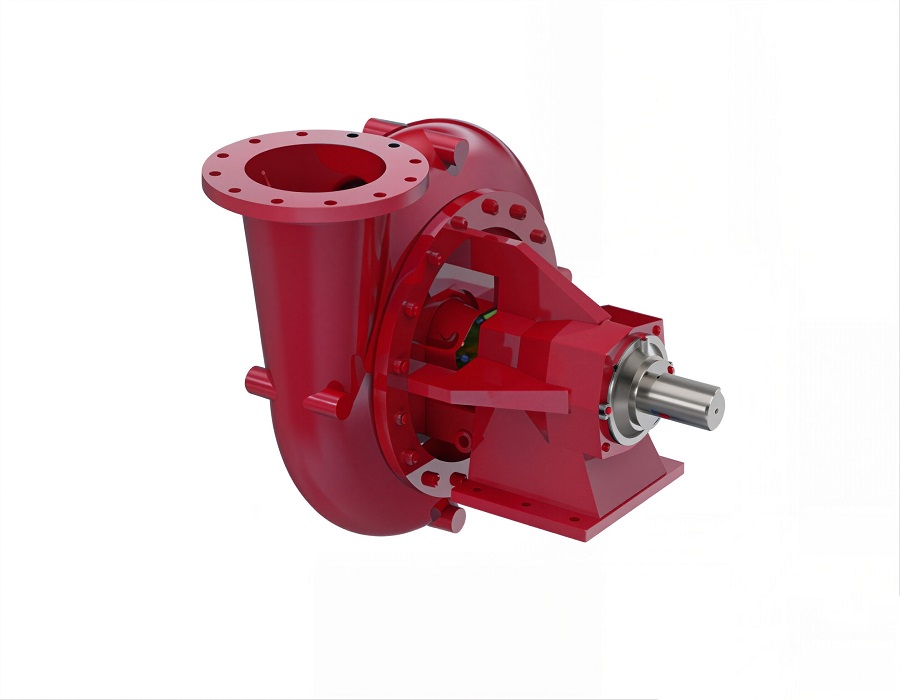
Pumps by Well Lifecycle Stage

Drilling Stage

Mud pumps: Circulate drilling fluid. Cementing pumps: Cement casing in place. Without mud circulation, drilling cannot proceed. Without proper cementing, the well integrity is compromised. Pumps are critical infrastructure on every drilling rig.

Completion Stage

Cementing pumps: Cement completion equipment. Fracturing pumps: Hydraulic fracturing to stimulate production. Workover pumps: Pump completion fluids. The completion stage determines the well's productivity —pumps play a key role.

Production Stage

Production pumps: Artificial lift (beam pump, ESP, PCP). Chemical injection pumps: Inject production chemicals. Workover pumps: Periodic well stimulation and maintenance. Pumps keep the well producing efficiently over its lifecycle.

Pumps by Pressure Range

Pressure Range Typical Pumps Applications
Low Pressure (< 10 MPa) Transfer pumps, centrifugal pumps, water pumps Fluid transfer, water supply, general service
Medium Pressure (10-35 MPa) Mud pumps, standard workover pumps, small cementing pumps Drilling mud circulation, standard workover, general service
High Pressure (35-70 MPa) Heavy-duty cementing pumps, high-pressure workover pumps Deep cementing, high-pressure workover, well testing
Ultra-High Pressure (70-105 MPa+) Fracturing pumps, ultra-high-pressure triplex pumps Hydraulic fracturing, HPHT wells, extreme service

Pumps by Flow Rate

Flow Rate Range Typical Pumps Applications
Very Low (< 10 L/hr) Chemical injection metering pumps Chemical injection, production treatment
Low (10-100 L/min) Small cementing pumps, small workover pumps Slimhole cementing, small well workover
Medium (100-500 L/min) Standard cementing pumps, workover pumps, small mud pumps Cementing, workover, medium drilling
High (500-1500 L/min) Large mud pumps, standard fracturing pumps Large drilling rigs, standard fracturing
Very High (1500-2500+ L/min) Large fracturing pumps (quintuplex) Large-scale hydraulic fracturing

Drive Types

Diesel Engine Drive

The most common drive for mobile oilfield pumps. Diesel engines provide high power density and self-contained operation. Typically paired with a torque converter and gearbox. Advantages: fully mobile, no external power needed. Disadvantages: noise, emissions, fuel consumption.

Electric Motor Drive (VFD)

Electric motors with variable frequency drive (VFD) for precise speed control. VFD drive provides smooth operation and energy efficiency. Requires external power supply (rig generator or grid). Advantages: quiet, efficient, precise control. Disadvantages: requires external power.

Hydraulic Drive

Hydraulic motors driven by a hydraulic power unit. Hydraulic drive provides high torque at low speed and flexible installation. Common on smaller pumps and specialized equipment. Advantages: compact, flexible. Disadvantages: less efficient, requires hydraulic power unit.

Mounting Configurations

Truck Mounted

Pump unit mounted on a heavy truck chassis. Self-propelled, drives to the well site. Fast mobilization, ready to work within hours. Most common for cementing and workover service companies. Truck mounted units are the standard for mobile oilfield service.

Trailer Mounted

Pump unit mounted on a trailer chassis. Towed by a truck or tractor. Lighter and less expensive than truck mounted. Requires a separate truck to tow it. Common for smaller pumps and auxiliary equipment.

Skid Mounted

Pump unit mounted on a steel skid base. Permanent or semi-permanent installation. Requires crane for installation and relocation. Common for permanent installations, offshore platforms, and large fixed pumping stations.

Frequently Asked Questions About Oilfield Pumping Equipment

What type of pump do I need for my application?

The right pump depends on your application: drilling needs a mud pump, cementing needs a cementing pump, fracturing needs a fracturing pump, workover needs a workover pump, chemical treatment needs a chemical injection pump. Start by identifying your primary application, then determine the required flow rate and pressure. Our engineering team can help you select the right pump for your specific needs.

What is the difference between API 7K and API 674 pumps?

API 7K is the standard for drilling and well servicing pumps (mud pumps, cementing pumps, workover pumps). It specifies design, manufacturing, testing and inspection requirements for oilfield service pumps. API 674 is the standard for general industrial reciprocating pumps. API 7K pumps are built heavier and more rugged for the demanding oilfield environment. Look for API 7K certification for oilfield service pumps.

How do I calculate the required pump horsepower?

Hydraulic horsepower (HHP) = (flow rate x pressure) / 1714 in US units (gpm x psi / 1714). In metric units: HHP = (flow L/min x pressure MPa) / 17.1. The prime mover (engine or motor) must have at least 10-15% more horsepower than the calculated HHP to account for efficiency losses and provide a safety margin. Oversizing slightly is better than undersizing.

Can I use one pump for multiple applications?

Yes, but with limitations. A triplex pump can handle cementing, workover and general high-pressure pumping if it has the right plunger size and pressure rating. You may need to change plunger sizes for different applications. However, you cannot easily use a mud pump for fracturing or a chemical injection pump for cementing —the flow/pressure capabilities are completely different. Choose a pump that matches your primary application, and it may be versatile enough for secondary applications.

What is the typical cost of oilfield pumping equipment?

The cost varies widely by pump type and size. A small chemical injection pump may cost USD 2,000-10,000. A standard triplex cementing pump typically costs USD 50,000-150,000. A large fracturing pump can cost USD 500,000-1,000,000 or more. Truck mounted units include the truck chassis cost. Electric drive units may cost more upfront but save on operating costs. Contact us for a detailed quotation based on your specific requirements.

Need Oilfield Pumping Equipment?

Tell us your application, required flow rate and pressure. Our engineering team will recommend the optimal pumping equipment configuration and provide a detailed quotation within 48 hours.