What is the difference between a triplex and quintuplex pump?
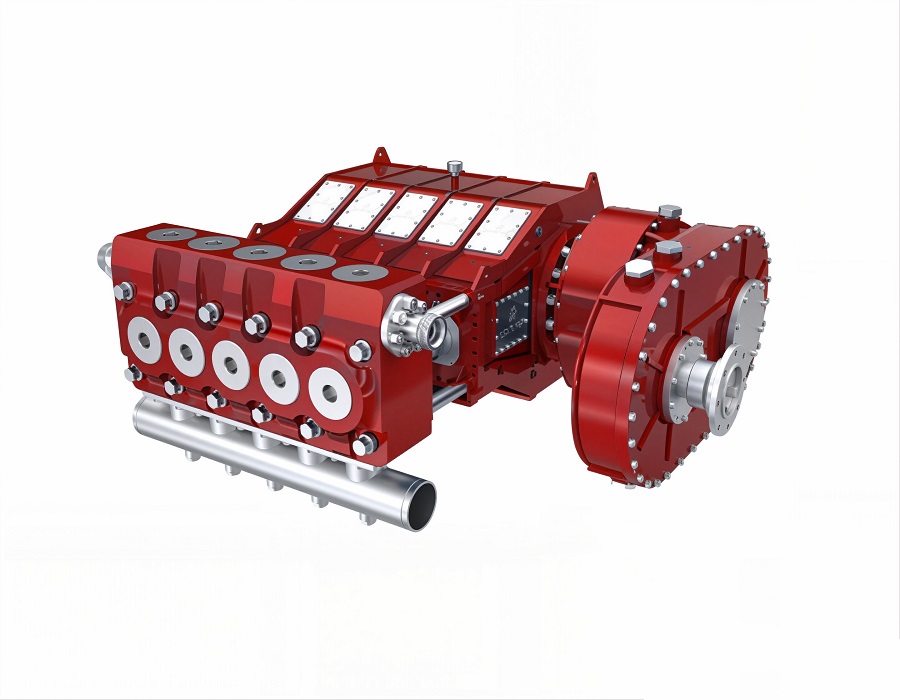
A triplex pump has three plungers, and a quintuplex pump has five plungers. Quintuplex pumps provide smoother flow (less pulsation) and higher flow rates. They are used for high-flow applications like hydraulic fracturing. Triplex pumps are simpler, cheaper, and more common for general oilfield service. Both are reciprocating positive displacement pumps.
How do I choose the right pump for my application?
Start with your required flow rate and pressure. Calculate the required horsepower. Then choose a pump type (triplex, quintuplex, mud pump) that meets those requirements. Consider the fluid type (water, mud, cement slurry, chemicals) —abrasive fluids require special materials. Choose the drive type (diesel or electric) and mounting configuration (truck, trailer, skid) based on your operating conditions.
What is the typical lifespan of an oilfield pump?
With proper maintenance, an oilfield pump typically lasts 10-15 years. The fluid end (plungers, valves, liners) is a wear part that needs periodic replacement. The power end (crankshaft, gears, bearings) has a much longer life. Regular maintenance —oil changes, seal replacement, valve inspection —is critical for long pump life.
Can I change the plunger size on my pump?
Yes. Most oilfield pumps allow changing plunger size by replacing the fluid end modules. Larger plungers give more flow at lower pressure; smaller plungers give higher pressure at lower flow. This is the most common way to adjust a pump's performance to match different jobs. Plunger sizes are typically available in 1/4" increments.
What is the cost of a typical oilfield pumping unit?
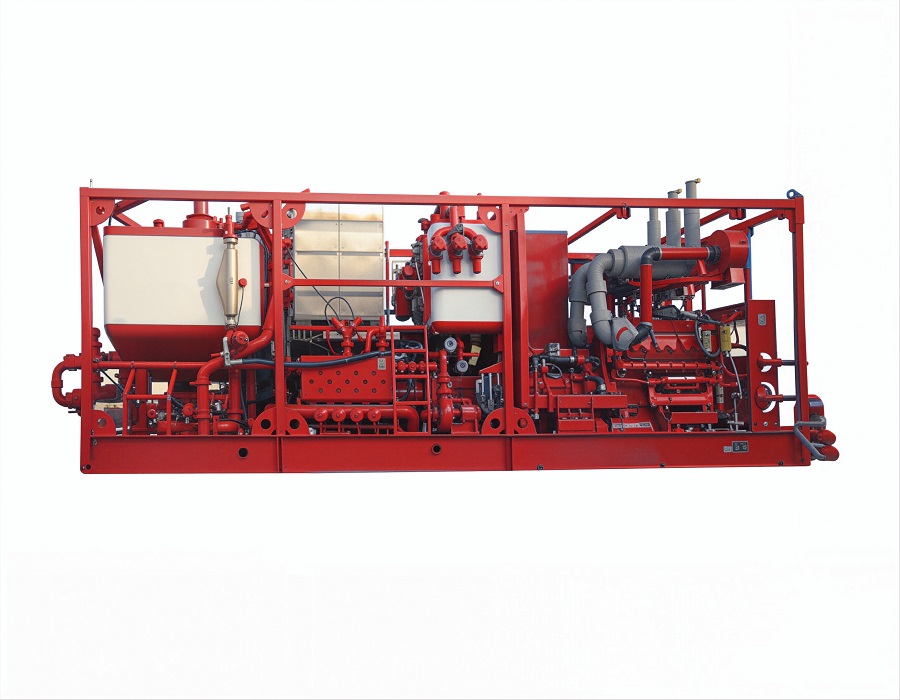
The cost depends on size and configuration. A small triplex cementing pump may start from USD 50,000-100,000. A standard workover pump typically costs USD 150,000-300,000. A large fracturing pump can cost USD 500,000-1,000,000 or more. Truck mounted units include the truck chassis cost. Skid mounted units are slightly cheaper. Electric drive units may cost more upfront but save on operating costs.