Grid-Powered | Low Noise | Low Operating Cost

Electric Drive Pumping Unit: Cleaner, Quieter, Lower Operating Cost

Most oilfield pump units run on diesel engines. But if your location has grid power, an electric drive pump unit makes a lot of sense. Electric motors are quieter, produce no exhaust emissions, have lower maintenance costs (no oil changes, no filters, no fuel system), and the operating cost per hour is significantly lower than diesel. Electric drive is ideal for permanent or semi-permanent installations, environmentally sensitive areas, and locations with reliable grid power. We design and manufacture electric drive pump units with standard or explosion-proof motors, variable frequency drives (VFD), and integrated control panels —built for continuous duty in grid-connected oilfield operations.

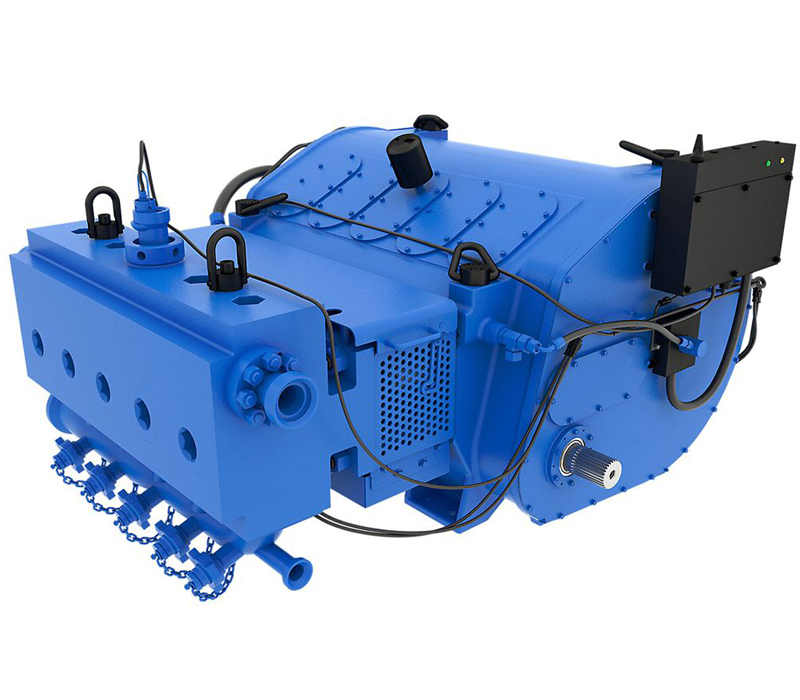
Electric drive pumping unit with motor and VFD

Electric Drive vs Diesel Drive: Which Is Right?

Factor Electric Drive Diesel Drive
Noise Level ~ 75 - 85 dB (quiet) ~ 95 - 105 dB (loud)
Emissions Zero on-site emissions Diesel exhaust (NOx, PM, CO2)
Fuel / Power Cost Lower (grid electricity) Higher (diesel fuel)
Maintenance Simple (no engine maintenance) Complex (oil changes, filters, injectors)
Site Requirements Needs reliable grid power Self-contained, no grid needed
Best For Permanent installations, grid-connected, environmentally sensitive Remote locations, portable operations, no grid access

Advantages of Electric Drive Pump Units

Lower Operating Cost

Electricity is cheaper than diesel fuel per unit of energy. Over the life of a pump unit (5-10 years), the fuel savings can be substantial —especially for high-utilization equipment. Electric motors also have higher efficiency (90%+ vs diesel engines at 35-40%).

Minimal Maintenance

Electric motors have far fewer moving parts than diesel engines. No oil changes, no fuel filters, no air filters, no turbochargers, no cooling system. Maintenance is limited to bearing greasing and periodic insulation testing. Lower maintenance cost and less downtime.

Quiet Operation

Electric motors are significantly quieter than diesel engines. This matters in residential areas, environmentally sensitive locations, or where worker noise exposure is a concern. A standard electric pump unit operates at 75-85 dB, compared to 95-105 dB for diesel.

Precise Control with VFD

Variable frequency drives (VFD) allow precise speed control, soft start, and programmable pressure/flow curves. This is valuable for applications requiring accurate dosing (chemical injection) or sensitive pressure control (well testing). Diesel engines can't match this level of control.

Frequently Asked Questions

What power supply do your electric pump units require?

We can configure electric pump units for your available power supply: 380V/50Hz (Chinese standard), 480V/60Hz (US standard), or other voltages on request. Motor power ranges from 15 kW for small chemical injection pumps to 1,000 kW+ for large fracturing pumps. Tell us your site power supply (voltage, phase, available amperage), and we'll size the motor accordingly.

Do you offer explosion-proof electric motors?

Yes. For hazardous areas (Class I Division 1/2, or ATEX zones), we supply explosion-proof electric motors with appropriate certification. Explosion-proof motors are standard for offshore, gas processing, and well testing applications where flammable gas may be present. Tell us your area classification, and we'll provide the right motor rating.

Can I run an electric pump unit on a generator if grid power goes down?

Yes. Electric pump units can run on generator power as well as grid power. If you need backup power, we can size the generator to match the motor's starting and running current. Keep in mind that a VFD (variable frequency drive) soft-starts the motor, reducing the generator size needed. Tell us your backup power requirements, and we'll configure the system accordingly.

Looking for a Grid-Powered Pump Unit?

Tell us your pumping requirements and available power supply. We'll design an electric drive pump unit with the right motor, VFD, and control system —quieter, cleaner, and lower operating cost over the equipment life.