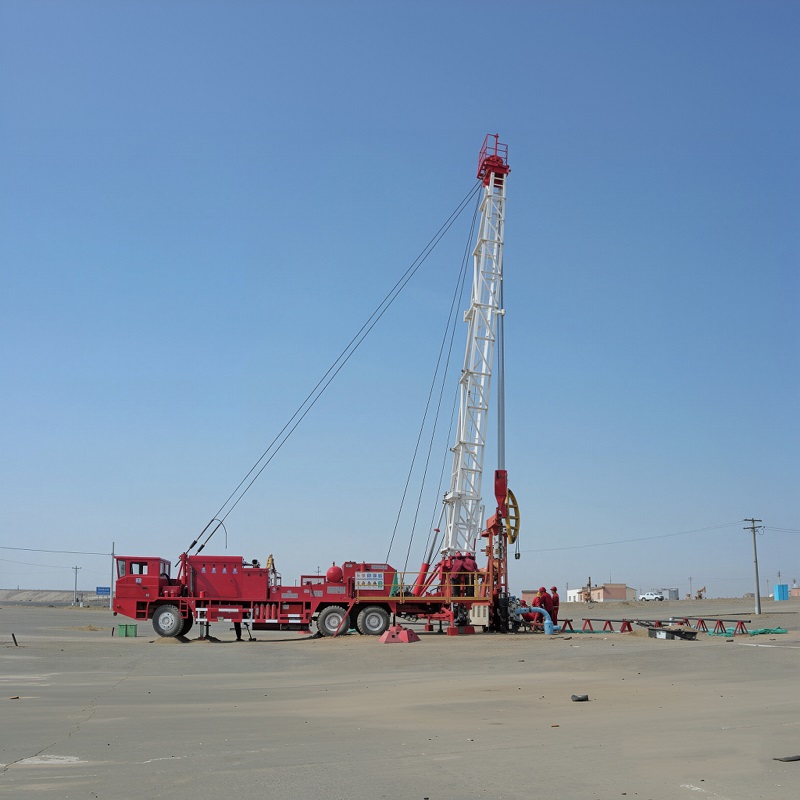
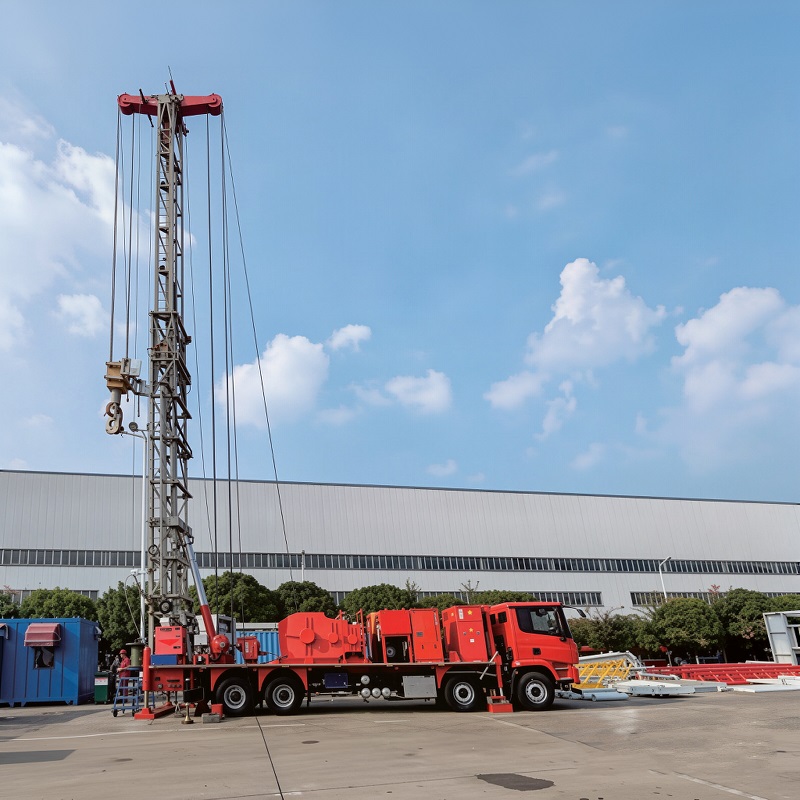
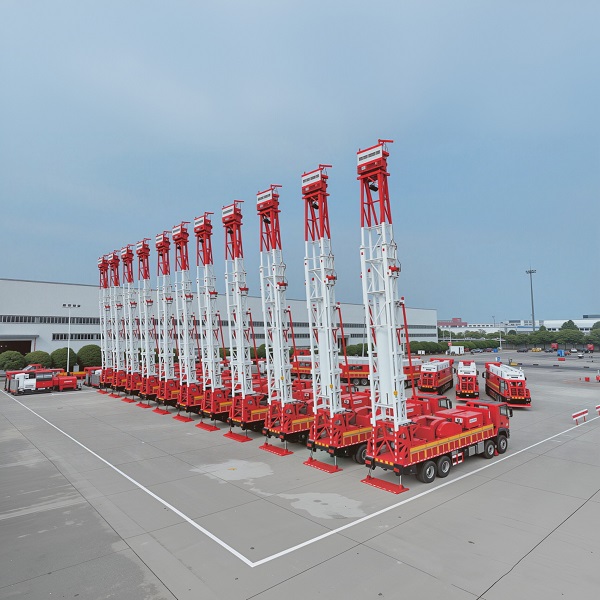
VFD Drive | Energy Efficient | Low Emissions

Electric Drive Workover Rig: Cleaner, Quieter, More Efficient

An electric drive workover rig uses an electric motor with variable frequency drive (VFD) instead of a diesel engine. It plugs into the rig's power supply or a generator. Electric drive is quieter, produces no on-site emissions, and uses less energy over long jobs. The trade-off is that it needs a power source.

Electric drive workover rig with VFD system

When to Choose Electric Drive

Electric drive workover rigs are the right choice when:

  • The well site has access to grid power or a reliable generator supply
  • You need to run the rig for long shifts (12+ hours) —electric drive saves fuel costs
  • Environmental regulations restrict diesel engine emissions on location
  • Noise matters —residential areas, wildlife reserves, or offshore platforms
  • You want precise speed control for delicate operations (e.g., running completion strings)

If you're moving between remote well sites with no power supply, a diesel engine drive is still the practical choice. Electric drive shines where power is available and efficiency matters.

Advantages of VFD Electric Drive

Energy Efficiency

VFD electric motors convert electrical energy to mechanical energy at 90%+ efficiency. Diesel engines run at 30-40% efficiency. Over thousands of operating hours, the fuel savings are substantial. For rigs that run 2000+ hours per year, electric drive pays back the premium within 2-3 years.

Precise Speed Control

VFD allows infinite speed adjustment from 0 to maximum. You can creep along at low speed for delicate operations, or run at full speed for tripping. The driller has precise control over hook position and line speed. This improves safety and reduces equipment wear.

Lower Emissions

Electric drive produces zero on-site emissions —no diesel exhaust, no particulate matter. This is increasingly important as environmental regulations tighten. On offshore platforms, in populated areas, or near sensitive ecosystems, electric drive may be required by regulation.

Quiet Operation

Electric motors are much quieter than diesel engines. A VFD workover rig operates at 70-75 dB compared to 90-95 dB for a diesel rig. This improves working conditions for the crew and reduces noise impact on nearby communities or wildlife.

Typical Specifications

Parameter Typical Range
Motor type AC induction motor with VFD
Motor power 150 - 400 kW (200 - 540 HP equivalent)
Power supply 380V / 480V / 690V, 3-phase, 50/60 Hz
VFD type IGBT-based, regenerative braking option
Hook load capacity 60 - 200 tons
Efficiency 90%+ motor efficiency

Frequently Asked Questions

What power supply do I need for an electric workover rig?

Typically 3-phase 380V, 480V or 690V, 50 or 60 Hz. The exact requirement depends on the motor size. For smaller rigs, a 200-300 kVA generator is sufficient. For larger rigs, you may need 500-800 kVA. We can specify the exact power requirement based on your rig size and operating profile. Most oilfield generators can handle this load.

Can I convert my diesel workover rig to electric drive?

Partially. You can replace the diesel engine with an electric motor and add a VFD control panel. The existing drawworks, mast and hydraulic system can stay. This is more cost-effective than buying a new rig, but requires engineering work. We offer retrofitting services —we can convert your existing rig to electric drive on-site or at our facility.

How much money does electric drive save?

Over 2000 operating hours per year, electric drive typically saves 30-40% on fuel costs compared to diesel. A typical workover rig uses 30-50 liters of diesel per hour —that's 60,000-100,000 liters per year. At $0.80/liter, that's $48,000-80,000 per year in fuel. Electric drive cuts this by 30-40%, saving $15,000-32,000 per year. The VFD premium pays back in 2-3 years.

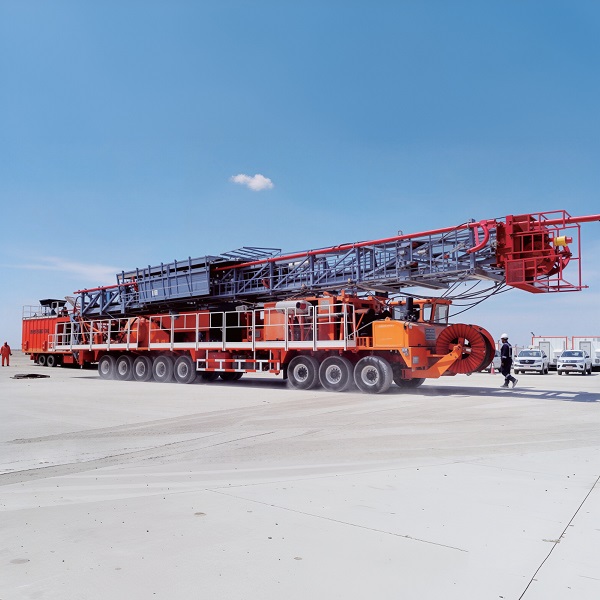
Need an Electric Drive Workover Rig?

Tell us your required hook load and available power supply. Our engineering team will recommend the right electric workover rig and provide a quote within 48 hours.