Well Intervention | Completion & Workover

Workover Rig: Complete Guide to Well Intervention Equipment

A workover rig is a specialized hoisting machine used for well intervention operations on existing oil and gas wells. Unlike a drilling rig that creates new wells, a workover rig performs maintenance, completion and remedial work on wells that are already producing. This guide covers the types, applications and selection of workover rigs.

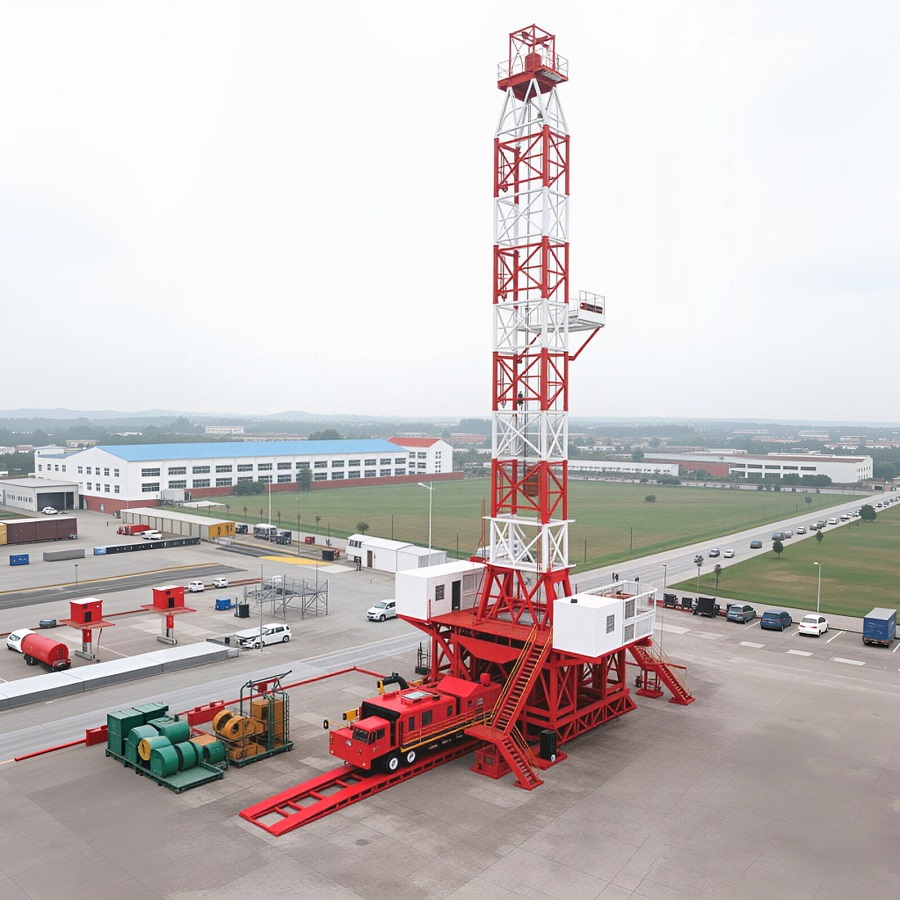
Workover rig for well intervention operations

What Is a Workover Rig?

A workover rig (also called a service rig or pulling unit) is a mobile hoisting machine designed to perform work on existing wells. It pulls tubing, casing or sucker rods out of the well, performs maintenance or repair, and runs them back in.

Key Characteristics

  • Hoisting capacity: Typically 50-500 tons (less than drilling rigs)
  • Mobility: Truck-mounted or trailer-mounted, highly mobile
  • Rapid rig-up: Can be rigged up and ready to work in hours
  • Simpler design: No mud circulation system (usually), simpler hoisting system
  • Smaller crew: Typically 4-6 people vs 8-15 for drilling rigs

Workover Rig vs Drilling Rig

  • Purpose: Workover = well intervention; Drilling = new well creation
  • Capacity: Workover rigs are smaller (50-500 ton) vs drilling rigs (150-900+ ton)
  • Mobility: Workover rigs are more mobile and rig up faster
  • Complexity: Workover rigs are simpler, no mud system typically
  • Cost: Workover rigs cost significantly less than drilling rigs

Types of Workover Rigs

Workover rigs are classified by mounting type and lifting capacity:

By Mounting Type

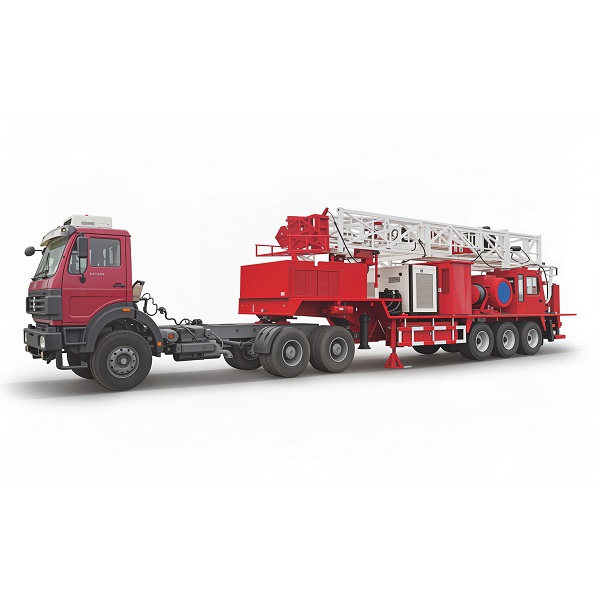
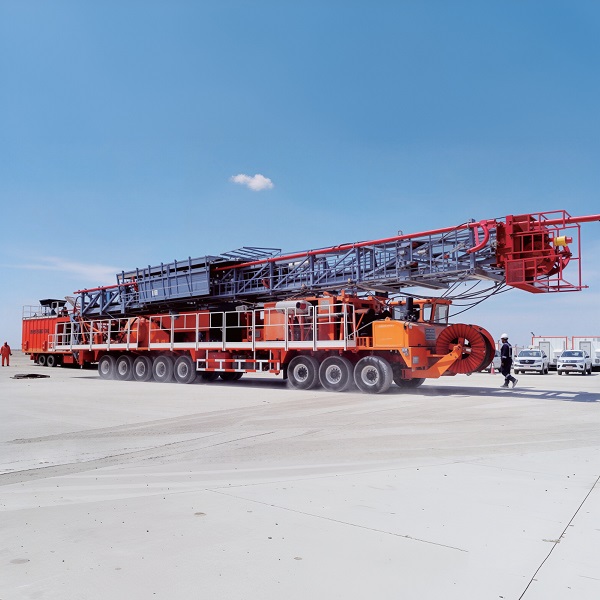
  • Truck-mounted: Self-propelled on heavy-duty truck chassis. Most common type.
  • Trailer-mounted: Towed by prime mover. More flexible for different road regulations.
  • Skid-mounted: Fixed installation. Used on offshore platforms or permanent well sites.

By Lifting Capacity

  • Light (50-150 ton): Sucker rod pulling, light workover, shallow wells
  • Medium (150-300 ton): Standard workover, tubing pulling, completion work
  • Heavy (300-500+ ton): Casing pulling, deep well workover, heavy intervention

By Drive Type

  • Mechanical: Direct mechanical drive from diesel engine. Simpler, lower cost.
  • Hydraulic: Hydraulic winch. Smooth control, good for precise operations.
  • Electric (VFD): Electric winch with VFD control. Precise control, high efficiency.

What Are Workover Rigs Used For?

Workover rigs perform a wide range of well intervention operations:

Tubing Pulling & Running

The most common workover operation: pulling production tubing out of the well, performing maintenance or repair, and running the tubing back in. This is done when the well needs completion changes, artificial lift installation, or downhole tool replacement.

Sucker Rod Pulling

For beam pump (sucker rod) wells, the workover rig pulls the sucker rods and tubing to service the downhole pump. This is a routine maintenance operation on producing wells.

Casing Repair

If the casing is damaged or corroded, a workover rig can pull the production string and perform casing repair: patch, sleeve replacement, or cement squeeze. Casing repair restores well integrity.

Well Completion

After drilling, a workover rig runs the completion string: tubing, packers, downhole sensors, artificial lift equipment. The completion is what enables the well to produce hydrocarbons to surface.

Sand Control

For sand-producing wells, the workover rig can install sand control equipment: gravel packs, screens, or chemical sand control. This prevents sand production that can damage surface equipment.

Plug & Abandonment

When a well reaches the end of its productive life, a workover rig performs plug and abandonment: setting cement plugs, pulling tubing, and abandoning the well per regulatory requirements.

Workover Rig Model Range

Our workover rig lineup covers the full range from light service units to heavy-duty intervention rigs:

Model Lifting Capacity Mast Height Winch Power Typical Application
SJW50 50 ton 22 m 2 x 150 kW Sucker rod pulling, shallow well service
SJW100 100 ton 28 m 2 x 250 kW Light workover, tubing pulling
SJW150 150 ton 32 m 2 x 350 kW Standard workover, completion work
SJW225 225 ton 36 m 3 x 350 kW Medium workover, deep well intervention
SJW300 300 ton 40 m 3 x 500 kW Heavy workover, casing pulling
SJW450 450 ton 45 m 4 x 600 kW Ultra-heavy workover, deep casing recovery

Engineering Advantages of Our Workover Rigs

Hydraulic Mast Raising

The mast can be raised and lowered hydraulically without a separate crane. This reduces rig-up time and eliminates the need for crane support at the well site. Rapid mobilization between wells.

VFD Electric Winch

Our workover rigs feature VFD (Variable Frequency Drive) electric winches. This provides precise hoisting control, smooth operation and high energy efficiency. Regenerative braking lowers the load gently without brake wear.

API 4F Certified Mast

All our workover rig masts are API 4F certified. They are designed and tested to handle the specified lifting capacity plus safety margin. Hydrostatic and load testing are performed on every unit before shipment.

Heavy-Duty Chassis

Our truck-mounted workover rigs use heavy-duty chassis from major manufacturers. Multi-axle configuration for road compliance and load distribution. We can mount on your choice of chassis brand.

Safety Systems

Our workover rigs include comprehensive safety systems: load indicator, overload protection, emergency stop, winch brake monitoring, and mast limit switches. Safety is always the top priority in well operations.

Global Service Support

Our engineers provide commissioning, operator training and after-sales support worldwide. Critical spare parts are stocked in regional warehouses for fast delivery to any oilfield location.

Frequently Asked Questions About Workover Rigs

What is the difference between a workover rig and a drilling rig?

A workover rig is smaller, more mobile and simpler than a drilling rig. It is designed to perform maintenance on existing wells, not to drill new ones. Workover rigs typically have 50-500 ton lifting capacity vs 150-900+ ton for drilling rigs. Workover rigs rig up in hours vs days for drilling rigs. Workover rigs also cost significantly less.

How much does a workover rig cost?

The cost depends on capacity and configuration. A light 50-ton workover rig may start from USD 200,000-300,000. A medium 150-ton rig typically costs USD 500,000-800,000. A heavy 300-ton rig can cost USD 1-2 million. Custom configurations and automation systems add to the cost.

How long does it take to rig up a workover rig?

A truck-mounted workover rig can be rigged up and ready to work in 2-6 hours with a crew of 4-6 people. This includes positioning the rig, raising the mast, connecting the power system and testing the equipment. Rapid rig-up is one of the main advantages of workover rigs over drilling rigs.

What lifting capacity workover rig do I need?

The required capacity depends on the total weight of tubing, rods and downhole tools in the well. As a rule of thumb: shallow wells (< 2,000 m) need 50-150 ton; medium wells (2,000-4,000 m) need 150-300 ton; deep wells (> 4,000 m) need 300-500+ ton. Always add a safety margin of 20-30%.

What is the lead time for a new workover rig?

Standard configuration workover rigs take approximately 6-10 months from order confirmation. Custom configurations (special capacity, climate package, automation system) may require 10-12 months. Refurbished or near-stock rigs can be delivered in 1-3 months.

Need a Workover Rig for Your Operation?

Tell us your well depth, tubing size and typical workover scope. Our engineering team will recommend the optimal workover rig configuration and provide a detailed quotation within 48 hours.