
Limited Space
Offshore platforms have limited deck space. Every piece of equipment must fit within the available footprint. The workover rig must be compact and designed to maximize the use of available space.
Offshore workover rigs are specialized hoisting units designed for well intervention on offshore oil and gas platforms. They must operate in the harsh marine environment, fit within limited platform space, and meet stringent safety and regulatory requirements for offshore operations.
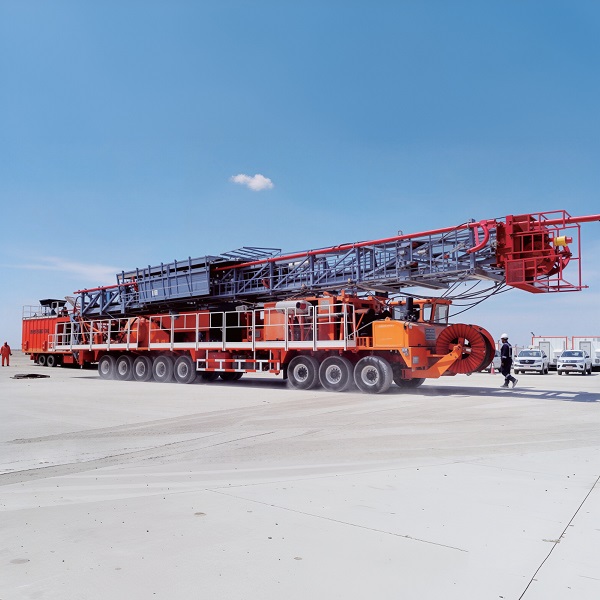
Offshore workover operations present unique challenges compared to onshore operations:
Offshore platforms have limited deck space. Every piece of equipment must fit within the available footprint. The workover rig must be compact and designed to maximize the use of available space.
Salt spray, humidity, and extreme weather conditions accelerate corrosion. All equipment must be made from corrosion-resistant materials or have protective coatings. Electrical systems must be sealed against moisture.
Offshore platforms have hazardous areas where explosive gas may be present. Electrical equipment must be rated for the appropriate hazardous area classification (Zone 1, Zone 2, etc.). Explosion-proof enclosures are required.
Offshore operations are subject to strict safety regulations (DNV, API, local regulatory bodies). Equipment must meet these standards. Personnel must be trained in offshore safety procedures (BOSIET, HUET, etc.).
Moving equipment to and from offshore platforms requires boats or helicopters. Everything must be packaged and transported by sea or air. Spare parts and consumables must be staged carefully.
The workover crew lives on the platform for the duration of the operation. The rig must be designed for crew comfort and safety in a remote offshore environment.
There are several types of offshore workover rigs, depending on the platform type and well requirements:
The most common type. A skid-mounted workover rig that is lifted onto the platform by crane and installed at the well slot. Designed to fit within the platform's deck space. Used for routine well intervention and workover operations.
A larger, self-contained workover unit that can be moved between platforms. Typically mounted on a jack-up rig or a semi-submersible vessel. Used for larger-scale workover campaigns involving multiple wells.
While not technically a workover rig, coiled tubing units are widely used for offshore well intervention. They can perform many workover functions without the need for a full workover rig. CTUs are compact and can be deployed quickly.
Our offshore workover rig lineup is designed for platform installation. All models meet DNV and API standards for offshore use:
| Model | Lifting Capacity | Mast Height | Winch Power | Footprint (Approx.) |
|---|---|---|---|---|
| SJO150 | 150 ton | 30 m | 2 x 350 kW | 6 m x 8 m |
| SJO225 | 225 ton | 35 m | 3 x 350 kW | 7 m x 10 m |
| SJO300 | 300 ton | 40 m | 3 x 500 kW | 8 m x 12 m |
| SJO450 | 450 ton | 45 m | 4 x 600 kW | 10 m x 14 m |
Our offshore workover rigs are built on a compact skid base designed to fit within typical offshore platform deck dimensions. The modular design allows for rig-up and rig-down using the platform's crane.
All our offshore rigs come with marine-grade corrosion protection: hot-dip galvanized structural components, epoxy coatings on all exposed surfaces, and stainless steel fasteners. Designed to withstand the harsh marine environment for decades.
Electrical systems are rated for hazardous areas (Zone 1 / Division 1 as required). Explosion-proof enclosures, intrinsically safe circuits, and sealed junction boxes are standard. Meets IECEx / ATEX / API RP 14F requirements.
Our offshore workover rigs are designed and certified in accordance with DNV-ST-0378 (Offshore Standard) and other relevant offshore standards. Third-party verification is available upon request.
Precise hoisting control with VFD (Variable Frequency Drive) electric winches. Smooth operation, regenerative braking, and accurate load control. Critical for safe operations in the constrained offshore environment.
Comprehensive safety systems: load monitoring with overload protection, emergency stop circuits, winch brake monitoring, mast limit switches, and fall protection for the mast climbing system. Safety is paramount offshore.
Routine well intervention on offshore production platforms: pulling tubing, replacing downhole pumps, logging runs, and other maintenance operations to maintain production rates.
Running completion strings, setting packers, installing downhole safety valves, and completing new wells drilled from the platform. Critical for bringing new wells into production.
More complex workover operations: pulling stuck tubing, repairing casing, performing matrix stimulation, and other operations to restore production from damaged or damaged wells.
Plug and abandonment operations for depleted offshore wells. Pulling all tubing and casing, setting cement plugs, and abandoning the well in accordance with regulatory requirements.
Browse our offshore workover rig lineup. All models are skid-mounted, DNV certified, and designed for offshore platform installation.
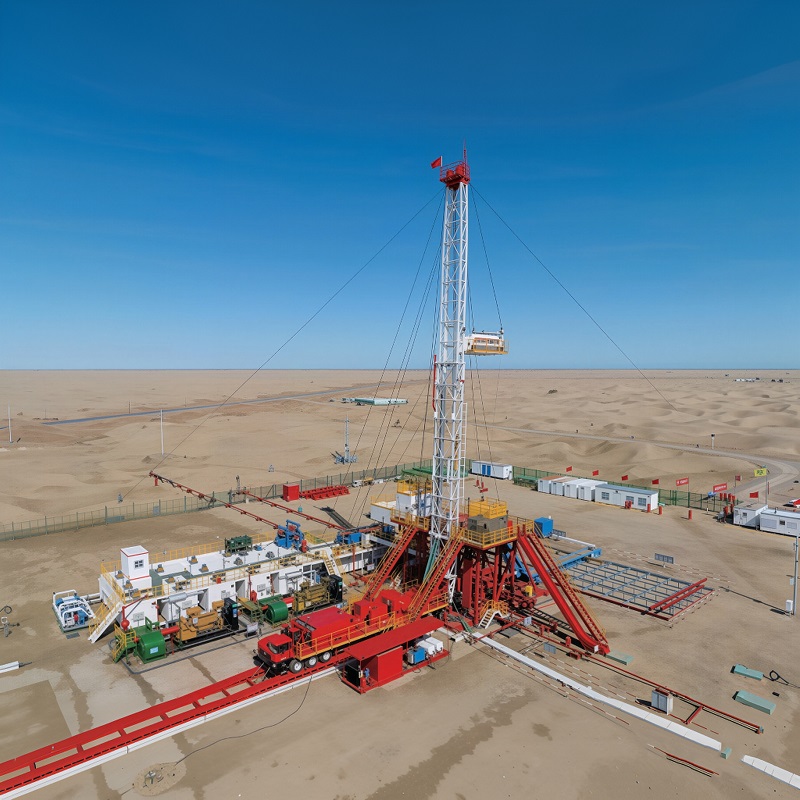
225 ton lifting capacity, for medium offshore well intervention operations.
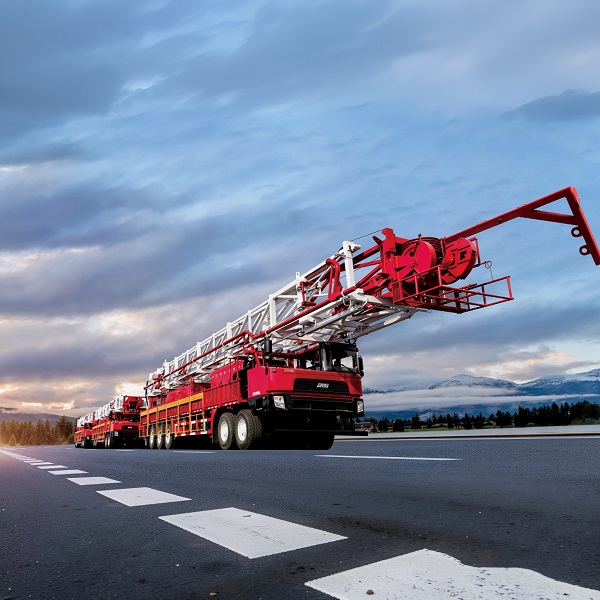
300 ton lifting capacity, for heavy offshore workover and casing pulling operations.
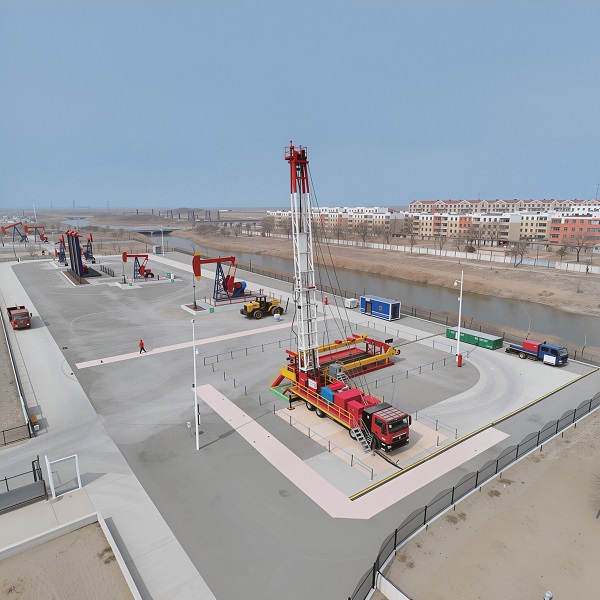
450 ton lifting capacity, for ultra-heavy offshore intervention and deep casing recovery.
Offshore workover rigs are designed for the harsh marine environment: they have corrosion protection, hazardous area electrical ratings, and compact skid-mounted designs that fit on platform decks. Onshore rigs are typically truck or trailer-mounted and do not require the same level of corrosion protection or hazardous area certification. Offshore rigs also need to meet DNV and other offshore regulatory standards.
Offshore workover rigs are typically transported by supply vessel (PSV) or heavy lift ship. The rig is broken down into skid-mounted modules that can be lifted onto the platform by the platform's crane. For remote or small platforms, the rig may be transported by helicopter if it can be broken into small, light loads.
The cost depends on capacity and configuration. A 150-ton offshore workover rig may start from USD 1-1.5 million. A 300-ton rig typically costs USD 2-3 million. A 450+ ton rig can cost USD 3.5-5 million. This includes the skid-mounted base, VFD electric winch, mast, control system, and all safety systems. Custom configurations and offshore certifications add additional cost.
A typical offshore workover campaign takes 2-6 weeks per well, depending on the complexity of the operation. This includes rig-up on the platform, the workover operation itself, and rig-down. Multi-well campaigns on a single platform can take several months. Mobilization and demobilization (transporting the rig to and from the platform) add additional time.
Yes. We regularly customize offshore workover rigs to fit specific platform dimensions, weight limits, and interface requirements. Provide us with your platform's deck dimensions, crane capacity, well slot layout, and interface requirements, and we will design a rig that fits. We also provide engineering support for rig-up planning and installation.
Tell us your platform type, well depth and intervention requirements. Our engineering team will recommend the optimal offshore workover rig configuration and provide a detailed quotation within 48 hours.