
Offshore Wellhead & Christmas Tree
Marine-grade wellhead and production equipment. 316SS or duplex materials, coated carbon steel structures. Built for platform and subsea service.
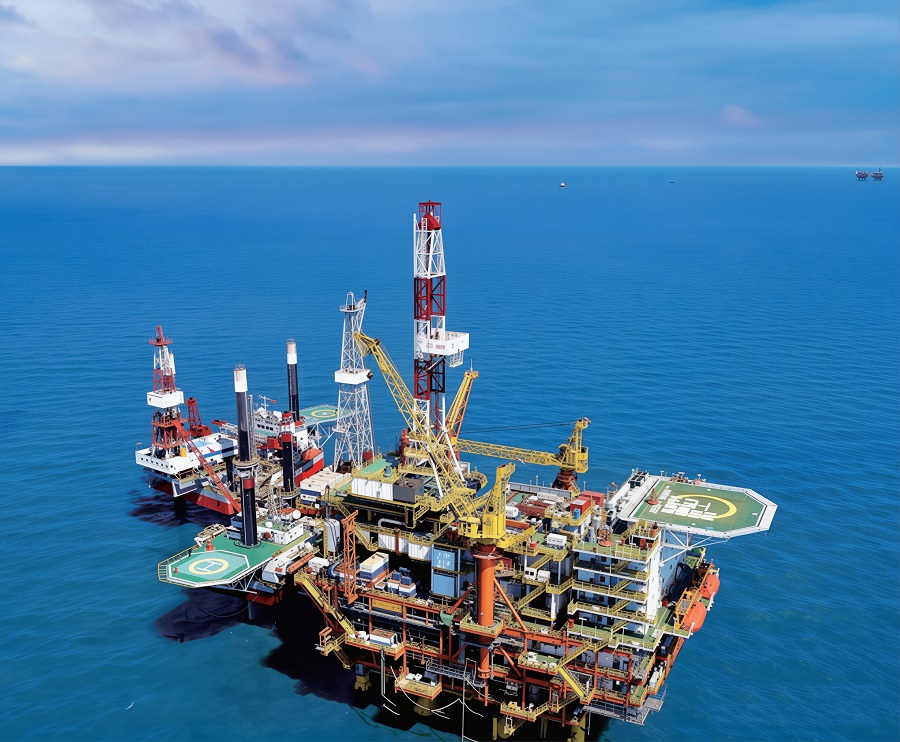
Saltwater is corrosive. On a platform, the combination of salt spray, high humidity, and sea air will rust standard carbon steel equipment in months. Pitting corrosion attacks exposed surfaces. Galvanic corrosion eats at dissimilar metal connections. Standard paint fails. For offshore service, equipment must be built to resist this environment —either with corrosion-resistant materials (stainless steel, duplex) or with properly coated and sealed carbon steel. Corrosion resistant offshore equipment is engineered for long life in saltwater: marine-grade materials, specialized coating systems, sealed enclosures, and corrosion protection at every connection. We design and manufacture corrosion resistant offshore equipment —fluid control, wellhead, and intervention equipment —built to last in the marine environment.
| Method | Materials | Best For |
|---|---|---|
| Marine-Coated Carbon Steel | Carbon steel + epoxy/polyurethane coating | Structural components, frames, skids |
| 316 Stainless Steel | Austenitic stainless steel | Valves, fittings, wetted parts, instrumentation |
| Duplex Stainless Steel | Duplex / super duplex (2205, 2507) | High-pressure components, sour service, seawater injection |
| Hastelloy / Alloy | Nickel-based alloys | Extreme corrosion, H2S/CO2 service, downhole components |
Marine-grade wellhead and production equipment. 316SS or duplex materials, coated carbon steel structures. Built for platform and subsea service.
High-pressure manifolds and valves for offshore service. Duplex body, 316 trim, marine coating. Rated for saltwater and produced fluid service.
Skid-mounted intervention equipment with corrosion-resistant materials. Sealed enclosures, marine coating, stainless steel wetted parts.
Pumps and hydraulic power units built for marine environment. Corrosion-resistant materials, coated frames, sealed electrical systems.
Coated carbon steel is cheaper but the coating is the barrier —if it scratches or chips, corrosion starts underneath. Stainless steel is corrosion-resistant on its own (no coating needed) but much more expensive. We recommend: coated carbon steel for structural components (frames, skids, external surfaces), and stainless steel for wetted parts, valves, and critical components. Tell us your budget and expected service life, and we'll recommend the right material for each component.
With proper coating and material selection, offshore equipment can last 15-25 years with regular maintenance. The key is: (1) correct material selection for each component, (2) high-quality coating application, (3) regular inspection and touch-up maintenance. Equipment that's not properly protected might only last 3-5 years before corrosion becomes a problem.
It depends. Some components (valves, pumps) can be upgraded by replacing wetted parts with stainless steel. But structural components (frames, skids) usually can't be cost-effectively upgraded —the coating and structural design are fundamentally different. Tell us what equipment you want to offshore-upgrade, and we'll evaluate feasibility.
Tell us your offshore environment (platform, subsea, splash zone), fluid conditions (produced water, H2S, CO2), and expected service life. We'll specify the right materials —coated carbon steel, 316SS, duplex, or alloy —for each component of your offshore equipment.