Platform Package | NACE Compliant | DNV Option

Offshore Cementing Equipment: Built for the Platform Deck

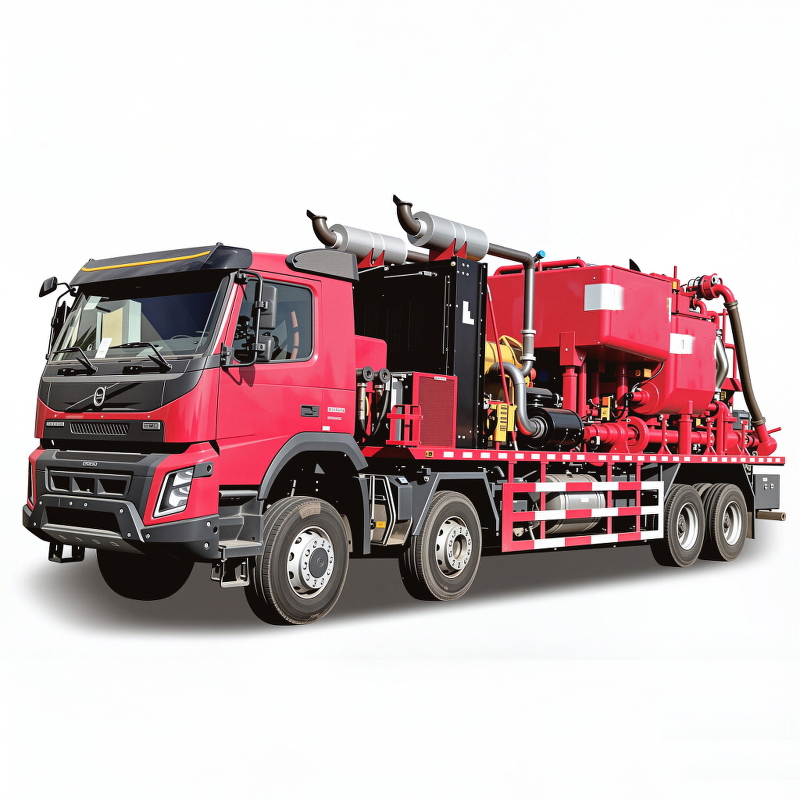
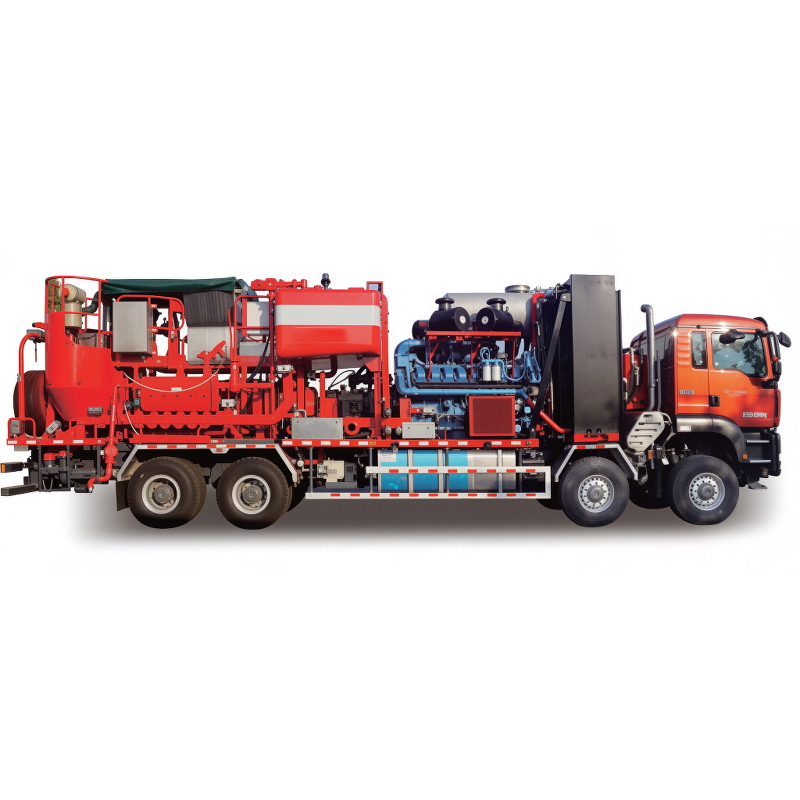
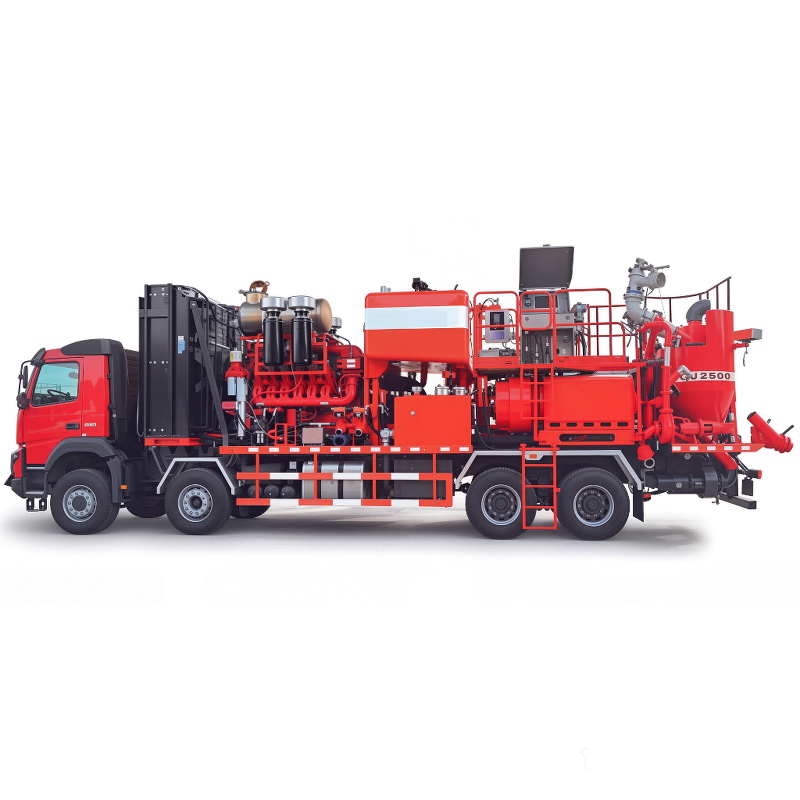
Offshore cementing equipment is specifically designed for cementing operations on offshore platforms, FPSOs and subsea wellheads. It must meet stringent marine-grade requirements: NACE MR0175 sour service compliance, DNV certification options, compact footprint for limited deck space, and corrosion-resistant construction for the harsh offshore environment.

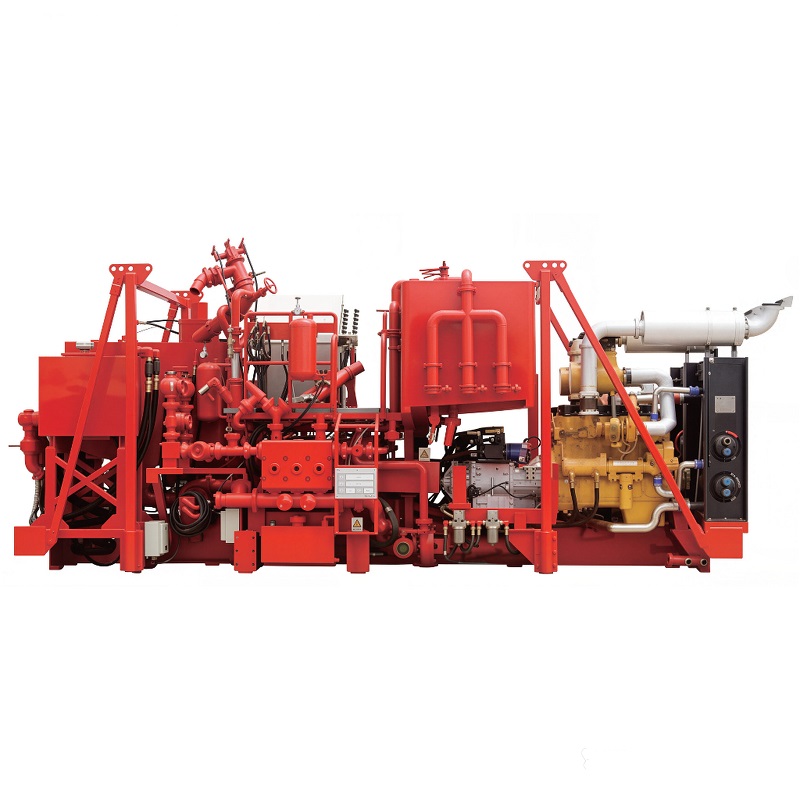
Offshore cementing equipment skid package

Why Offshore Cementing Is Different

Offshore cementing presents unique challenges compared to onshore operations:

  • Limited deck space: Every square meter of platform deck is valuable. Equipment must be compact and modular.
  • Weight restrictions: Platforms have deck load limits. Equipment must be light-weight without sacrificing performance.
  • Marine environment: Salt spray, humidity and H2S require corrosion-resistant materials and protective coatings.
  • Helicopter access: Equipment may need to be transportable by helicopter to remote platforms.
  • Subsea considerations: Deepwater cementing requires equipment that can work with subsea wellheads and riser systems.

Onshore cementing trucks don't meet these requirements. Offshore cementing equipment is purpose-built for the platform environment.

Key Components of an Offshore Cementing Package

Skid Mounted Cementing Unit

The core cementing unit —high pressure triplex pump, diesel or electric drive, control panel —mounted on a compact skid. Designed to fit through platform hatches and be installed by crane. NACE MR0175 compliant materials for sour service.

Batch Mixing System

A batch mixer and water metering system for preparing cement slurry at precise density. Compact design with integrated water storage. Controls for real-time density monitoring and adjustment during cementing operations.

High Pressure Iron

High pressure discharge piping, valves and chokes rated for cementing pressures. API 6A certified, NACE compliant, designed for the abrasive nature of cement slurry. Includes safety valves and pressure relief systems.

Control System

Centralized control panel with pressure readout, flow meters, density display and emergency shutdown. Often integrated with the platform's overall control system. Data logging for post-job analysis and regulatory reporting.

Typical Specifications

Parameter Typical Range
Pump type Triplex plunger pump, 50-70 MPa working pressure
Flow rate 150 - 250 L/min
Drive type Diesel engine or electric motor (platform power)
Material standard NACE MR0175 / ISO 15156 (sour service)
Certification option DNV, API 6A, API Q1
Skid weight 5 - 15 tons (modular for crane/heli transport)

Frequently Asked Questions

What is NACE MR0175 and why does it matter for offshore cementing?

NACE MR0175 (now ISO 15156) is a standard for materials used in sour oilfield service (H2S-containing environments). Offshore platforms often produce sour gas and oil. Equipment materials must be resistant to sulfide stress cracking (SSC) and hydrogen-induced cracking (HIC). This requires specific steel chemistries, heat treatments and hardness limits. All our offshore cementing equipment uses NACE-compliant materials to ensure safety and longevity in sour service.

Can offshore cementing equipment be used on land?

Yes, absolutely. Offshore-grade equipment can be used on land —it's simply over-built compared to standard onshore equipment. The NACE-compliant materials, marine-grade coatings and DNV certification make it more expensive than onshore equipment, but it will last longer in harsh environments. Some operators specify offshore-grade equipment for onshore sour wells where they want maximum reliability.

How is offshore cementing equipment transported to the platform?

Offshore cementing equipment is designed to be transported as modular skids. Each module is sized to fit through platform hatches (typically 1.5m x 1.5m minimum) and weigh under 10 tons for crane lifting. For remote platforms, modules may be transportable by helicopter (under 3 tons each). On the platform, modules are lifted into position, bolted together and connected with flexible hoses and electrical lines.

Need Offshore Cementing Equipment?

Tell us your platform requirements, cementing pressures and fluid requirements. Our engineering team will recommend the right offshore cementing package and provide a quote within 48 hours.