
Urban Well Cementing
Well cementing operations near cities or towns. Electric units operate quietly without diesel fumes, minimizing impact on nearby residents and businesses.
An electric drive cementing unit replaces the traditional diesel engine with an electric motor. The result: lower fuel costs, fewer emissions, quieter operation, and remote control capability. For operations in environmentally sensitive areas, urban locations, or anywhere emissions and noise are concerns, electric drive is the way to go. It's the future of cementing equipment —available today.
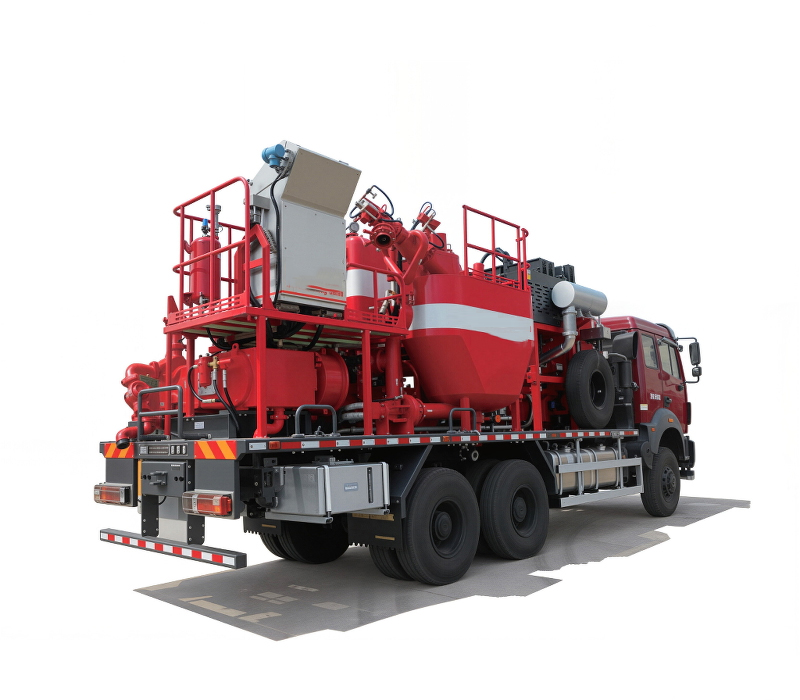
Both options get the job done, but they have different trade-offs:
The choice depends on your operating environment and priorities. If you need zero emissions and quiet operation, electric is worth it. If you're in a remote location with no power supply, diesel is still the practical choice.
Well cementing operations near cities or towns. Electric units operate quietly without diesel fumes, minimizing impact on nearby residents and businesses.
Operations in environmentally sensitive areas —national parks, wildlife refuges, coastal zones. Zero-emission electric units meet strict environmental regulations.
Offshore rigs have limited space and strict emissions controls. Electric cementing units fit the bill: compact, clean, and quiet. Many modern rigs use electric drive throughout.
| Parameter | Typical Range |
|---|---|
| Motor type | Electric induction motor (TEFC) |
| Motor power | 150 - 400 kW (200 - 540 HP) |
| Pump flow rate | 0.5 - 2.5 m³/min (130 - 660 gpm) |
| Pump pressure | 5 - 35 MPa (700 - 5,000 psi) |
| Power supply | 380V/50Hz, 3-phase (or custom voltage) |
| Control type | VFD (variable frequency drive) for speed control |
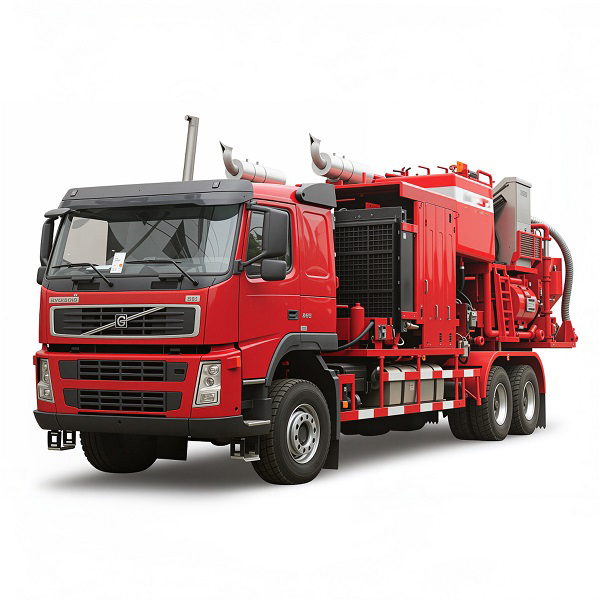
Single-pump electric drive cementing unit for general cementing operations. Compact, efficient, quiet.
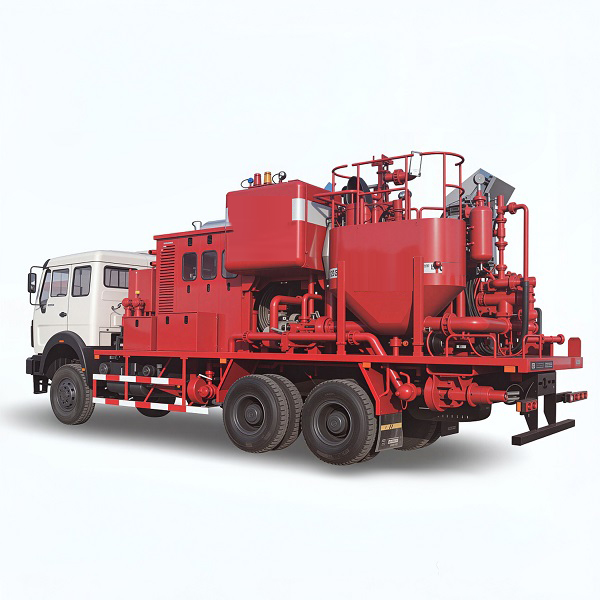
Dual-pump configuration for higher throughput and redundancy. For demanding cementing operations.
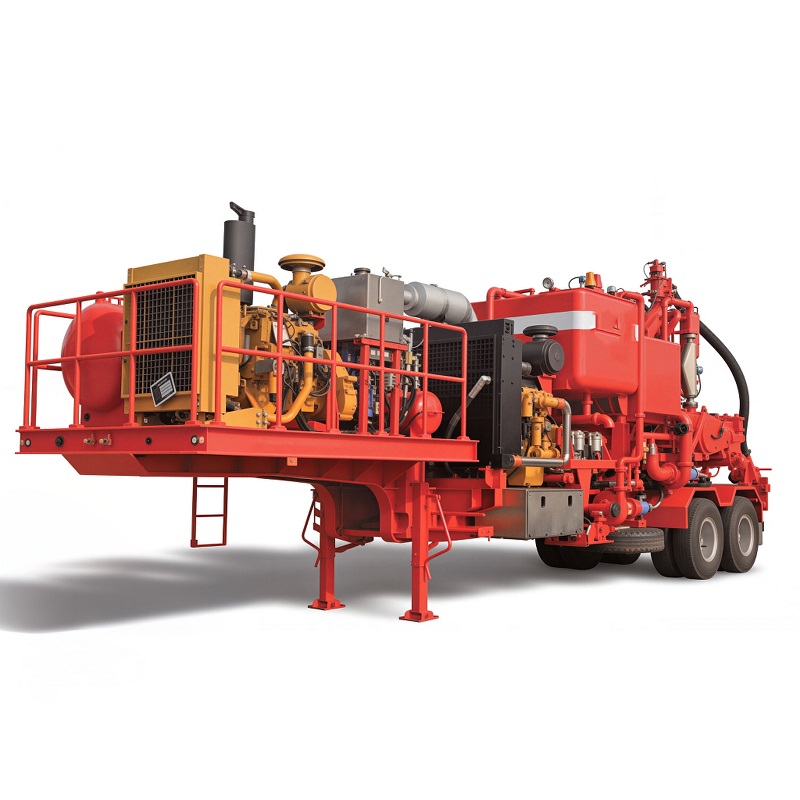
Fully custom electric drive cementing system designed to your specific power supply and operating requirements.
You have a few options: (1) use a generator set (genset) to provide the electricity, (2) use a battery storage system, or (3) use a hybrid setup with a smaller diesel engine as backup. For remote locations, a genset-powered electric unit is common —you still get the benefits of electric drive (precise control, quiet operation) while having portable power. The trade-off is that you're still burning fuel, just in a generator instead of the unit itself.
Electric motors actually respond faster and more precisely than diesel engines. They accelerate quickly, hold speed steadily, and reverse direction without hesitation. This makes them ideal for applications that need precise control. The main performance difference is that electric motors are lighter and more compact than equivalent diesel engines, which gives you a smaller footprint. In terms of flow rate and pressure output, they're equivalent —the pump does the same work regardless of what's driving it.
Much less than a diesel unit. Electric motors need: bearing lubrication (annually), insulation resistance checks (quarterly), and cleaning (as needed). The variable frequency drive (VFD) needs: filter checks (quarterly), and firmware updates (periodically). That's about it. No oil changes, no filter changes, no exhaust system maintenance. Over the unit's lifetime, you save significant maintenance time and cost. The pump itself still needs regular maintenance (fluid end inspection, seal replacement, etc.), but that's independent of the drive type.
Tell us your power supply and cementing requirements. Our engineering team will recommend the right electric drive unit and provide a quote within 48 hours.