Components & Systems | Complete Guide

Drilling Equipment: Complete Guide to Oil & Gas Drilling Components

Drilling equipment refers to all the machinery and systems used to drill oil and gas wells. This guide covers the five major systems of a drilling rig: hoisting, rotary, mud, power and well control. Understanding each system is essential for selecting, operating and maintaining drilling equipment.

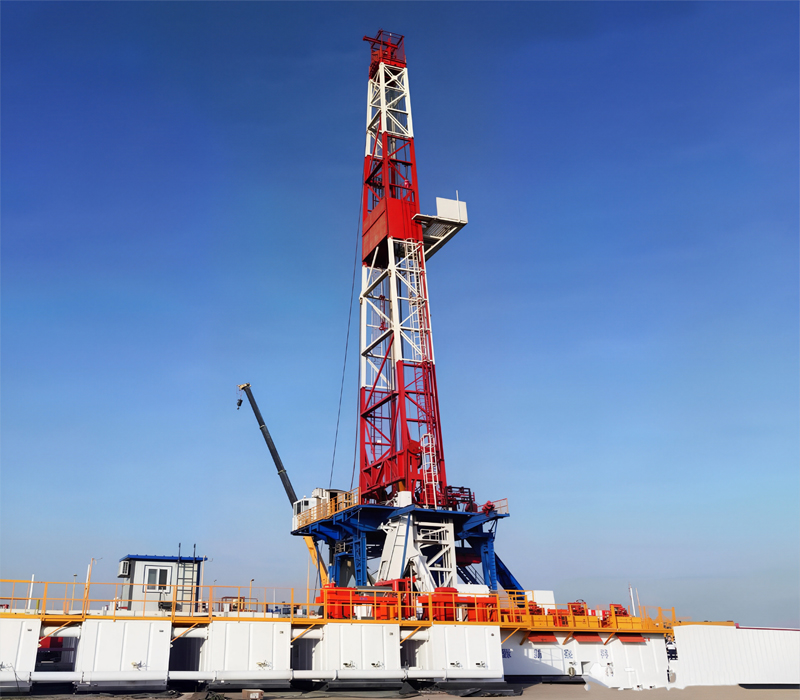
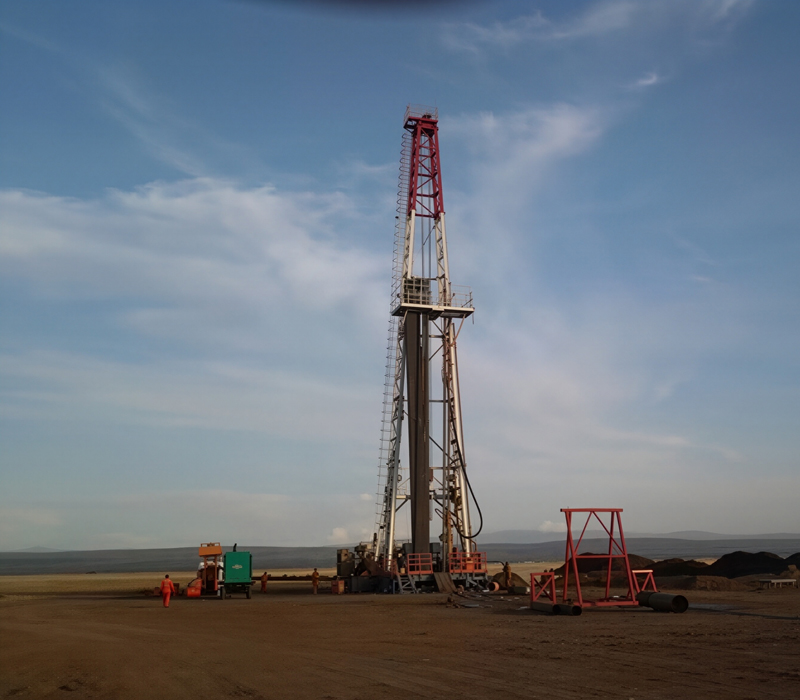
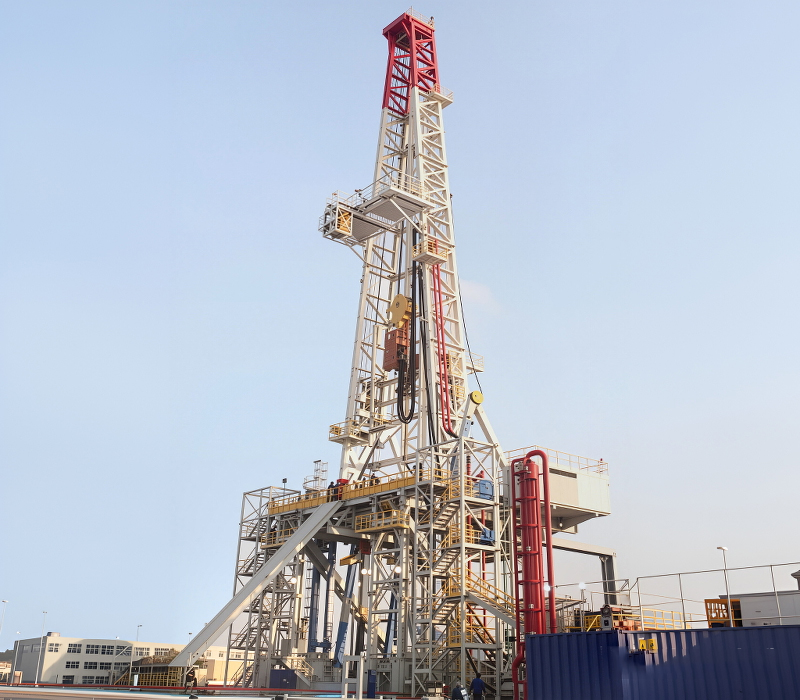
Oil and gas drilling equipment overview

The 5 Major Systems of Drilling Equipment

A drilling rig consists of five major interconnected systems. Each system performs a critical function in the drilling process:

1. Hoisting System

The hoisting system raises and lowers the drill string and casing. It includes the drawworks, mast/derrick, traveling block, hook, drilling line and deadline anchor. The hoisting system must handle the full weight of the drill string plus additional load for tripping operations.

Key components: Drawworks, mast, traveling block, hook, wireline

2. Rotary System

The rotary system rotates the drill string and drill bit. It includes the rotary table or top drive, kelly (if using rotary table) and drill string. The rotary system provides the torque needed to cut rock at the bottom of the well.

Key components: Rotary table / Top drive, kelly, drill string, drill bit

3. Mud System

The mud (drilling fluid) system circulates drilling fluid down the drill string and back up the annulus. It cools the bit, carries cuttings to the surface, maintains wellbore stability and controls formation pressure. Includes mud pumps, mud tanks, shale shakers and degassers.

Key components: Mud pumps, mud tanks, shale shaker, degasser, desander, desilter

4. Power System

The power system provides energy for all drilling operations. It consists of diesel engines (or electric motors) and the transmission system that distributes power to the drawworks, mud pumps and rotary system.

Key components: Diesel engines / Electric motors, generators, transmission, VFD drives

5. Well Control System

The well control system prevents blowouts by controlling well pressure. It includes the blowout preventer (BOP), choke manifold, kill line and mud gas separator. The BOP is the last line of defense against uncontrolled formation pressure.

Key components: BOP stack, choke manifold, kill line, mud gas separator

Auxiliary Systems

A drilling rig also includes auxiliary systems: instrumentation and control, electrical system, lighting, living quarters (for offshore or remote operations), and material handling equipment (forklifts, cranes).

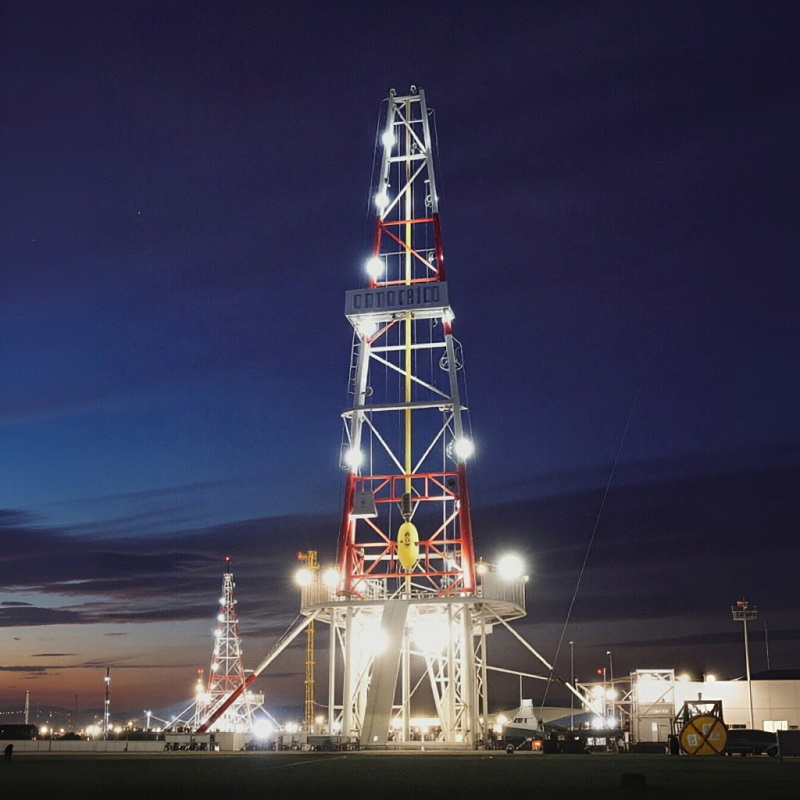
Hoisting System Equipment

The hoisting system is the most visible part of the drilling rig. It must safely lift and lower heavy loads:

Drawworks

The drawworks is the hoisting winch. It spools the drilling wireline to raise and lower the traveling block. Modern drawworks use VFD electric motors for precise control and high efficiency.

Mast / Derrick

The mast (or derrick) is the vertical steel structure that supports the hoisting system. It must withstand the full hook load plus wind loads and dynamic loads during tripping. Masts are designed to be raised and lowered for transport.

Traveling Block

The traveling block is a set of pulleys (sheaves) that move up and down the mast. It reduces the load on the drawworks by using multiple lines. The hook hangs from the traveling block.

Hook

The hook hangs from the traveling block. It supports the drill string via the kelly (or top drive). The hook must have a safety latch to prevent accidental disconnection.

Drilling Line

The drilling line (wire rope) connects the drawworks to the traveling block. It must have sufficient strength to handle the maximum hook load. The number of lines depends on the load and drawworks capacity.

Substructure

The substructure is the steel frame that supports the mast and drill floor. It provides height below the drill floor for the BOP and wellhead equipment. The substructure must be strong enough to support the entire hoisting system load.

Drilling Equipment API Standards

Drilling equipment must meet specific API (American Petroleum Institute) standards. These standards ensure safety, quality and interchangeability:

API Standard Covers Key Equipment
API 7K Drilling and Well Servicing Equipment Drawworks, mud pumps, rotary tables
API 8C Drilling and Production Hoisting Equipment Traveling blocks, hooks, swivels
API 4F Drilling and Well Servicing Structures Masts, derricks, substructures
API 6A Wellhead and Christmas Tree Equipment Wellhead, valves, chokes
API 16A Drilling Well Control Equipment Blowout preventers (BOPs)
API Q1 Quality Management System Manufacturer quality certification

Why Choose Our Drilling Equipment?

API Certified

All our drilling equipment meets relevant API standards. We provide API certificates and test reports with every shipment. Our manufacturing facility is ISO 9001 certified.

Factory Direct Pricing

As a manufacturer, we offer factory direct pricing. No middleman markup. You get high-quality equipment at competitive prices. We also offer volume discounts for fleet purchases.

Custom Engineering

We can customize drilling equipment to your specific requirements: special capacity, climate package, automation system, unique mounting configuration. Our engineering team works with you from design to delivery.

Global Service Support

We provide commissioning, operator training and after-sales support worldwide. Our service partners are located in major oil-producing regions. Critical spare parts are stocked regionally for fast delivery.

Spare Parts Availability

We maintain a comprehensive spare parts inventory for all our drilling equipment. Wear parts are available for immediate shipment. Long-lead items can be manufactured on short notice.

20+ Years Experience

With over 20 years of experience in oilfield equipment manufacturing, we understand the real-world challenges of drilling operations. Our equipment is designed and built by engineers who know the oilfield.

Frequently Asked Questions About Drilling Equipment

What is the most important piece of drilling equipment?

All systems are critical, but the drawworks (part of the hoisting system) is often considered the heart of the drilling rig. It must safely lift and lower the entire drill string. A failure of the hoisting system can be catastrophic. That is why API certification of hoisting equipment is so important.

Can you supply individual drilling equipment components?

Yes. We supply individual components: traveling blocks, hooks, swivels, drawworks, mud pumps, masts and substructures. You can purchase individual parts to replace worn or damaged equipment on your existing rig. We also offer refurbishment services for major components.

What is the difference between API 7K and API 8C?

API 7K covers drilling and well servicing equipment: drawworks, mud pumps, rotary tables. API 8C covers hoisting equipment: traveling blocks, hooks, swivels. Both standards specify design, manufacturing, testing and inspection requirements. When purchasing hoisting equipment, look for the API 8C monogram.

How do I know which drilling equipment specifications I need?

The required specifications depend on your well design: target depth, casing sizes, formation pressures and drilling fluid type. We recommend consulting with a drilling engineer to determine the right equipment specifications. Our engineering team can help you evaluate your needs and recommend the right equipment.

Do you provide drilling equipment for both onshore and offshore?

Yes. We supply drilling equipment for both onshore and offshore applications. Offshore equipment includes additional features: corrosion protection, compact footprint, DNV certification and hazardous area classification. Tell us your application and we will recommend the right configuration.

Need Drilling Equipment for Your Operation?

Tell us which components you need or the complete rig configuration. Our engineering team will provide detailed specifications and a competitive quotation within 48 hours.