Complete Hoisting System | Drawworks | Blocks & Hooks | API 8C

Drilling Hoisting Equipment: The Complete Lifting System

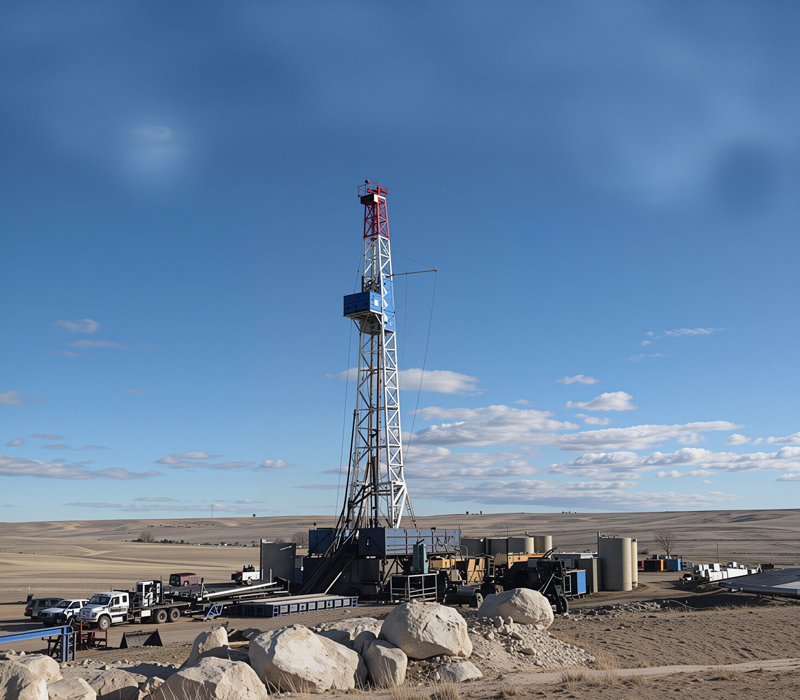
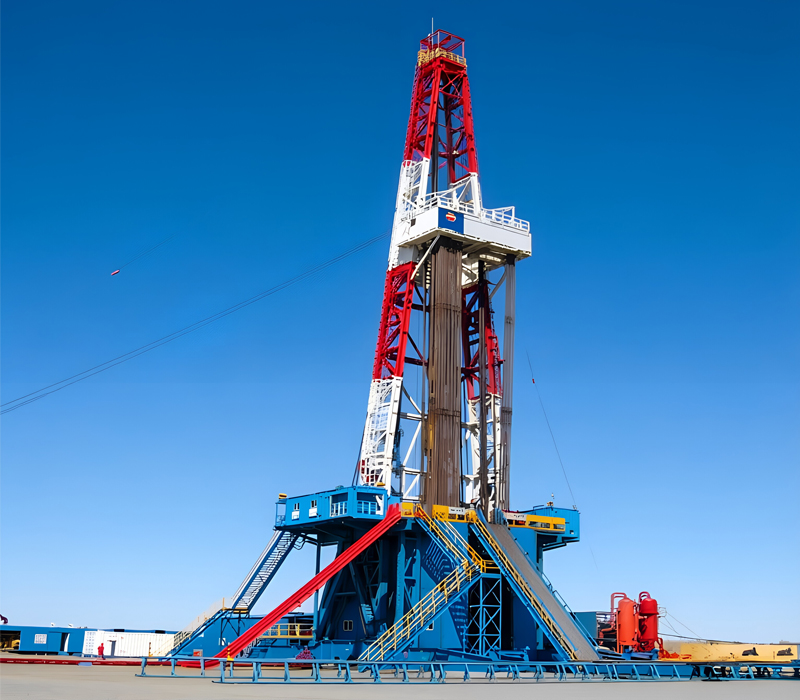
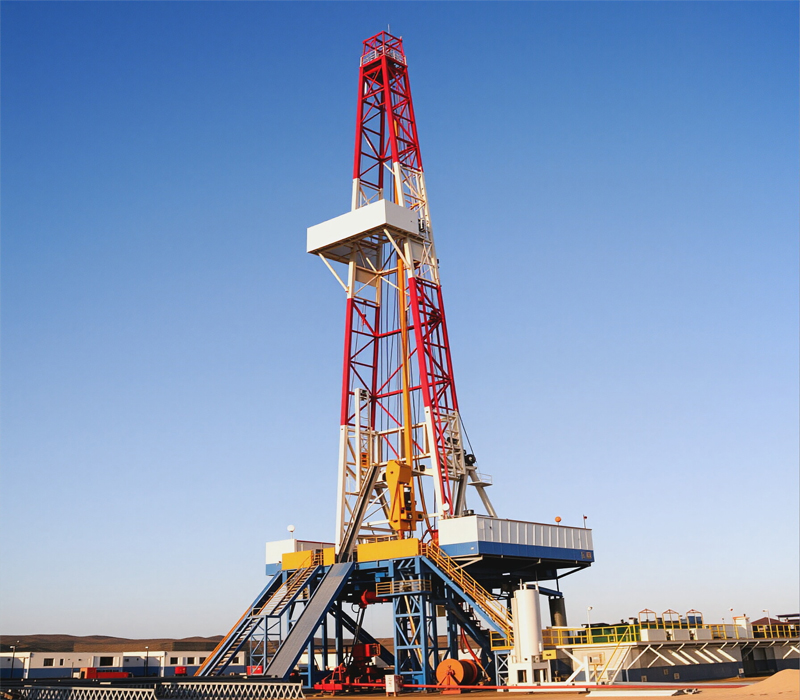
The drilling hoisting system is responsible for lifting and lowering the drill string during drilling and tripping operations. It consists of the drawworks, wire rope, crown block, traveling block, travelling hook, and derrick. Together, these components provide the lifting capacity needed to handle the entire drill string weight.

Drilling hoisting equipment system overview

Main Components of the Hoisting System

Drawworks

The drawworks is the primary hoisting machinery. It is a winch that pulls the wire rope to lift the traveling block. The drawworks consists of a drum, brakes, transmission, and clutch. It is powered by the rig's prime movers (diesel engines or electric motors). The drawworks provides the pulling force that, through the block and tackle system, lifts the drill string.

Crown Block

The crown block is a set of stationary sheaves mounted at the top of the derrick. It serves as the fixed anchor point for the wire rope. The crown block sheaves redirect the wire rope from the drawworks down to the traveling block and back. The number of sheaves in the crown block matches the number of lines used in the hoisting system.

Traveling Block

The traveling block is a set of movable sheaves that hangs below the crown block. It moves up and down as the wire rope is pulled or released. The traveling block provides the mechanical advantage —the more lines, the more lifting force. The traveling block connects to the hook below. It is one of the most heavily loaded components on the rig.

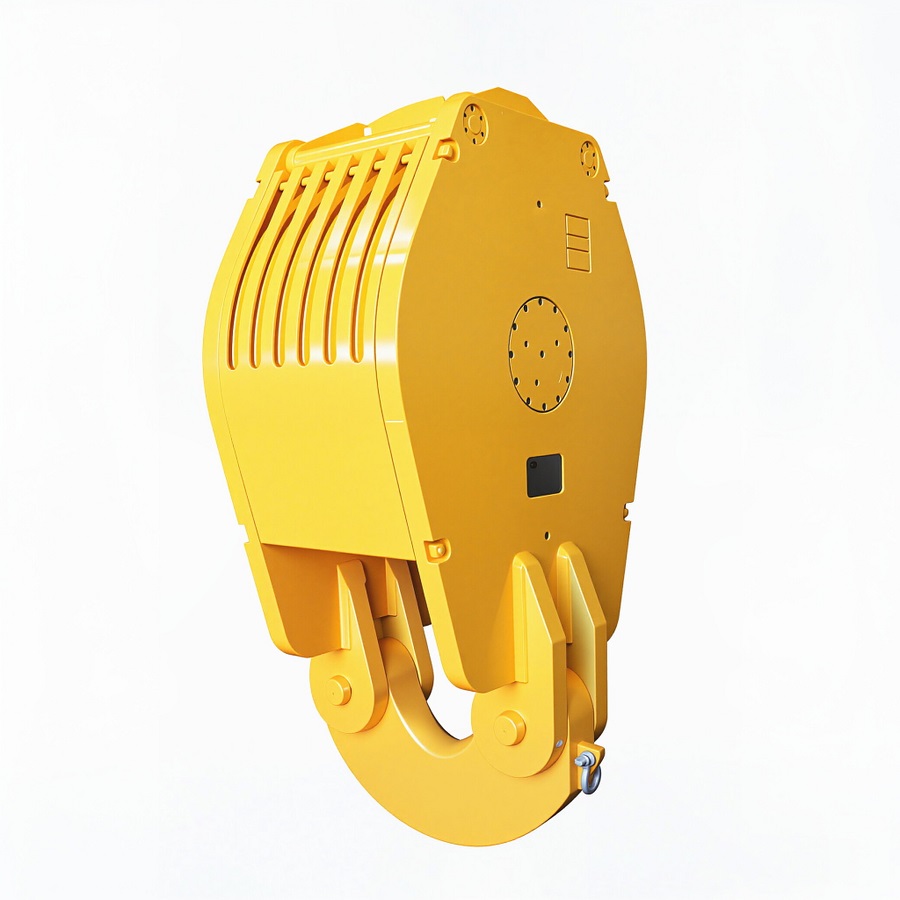
Travelling Hook

The travelling hook hangs below the traveling block and provides the connection point for the swivel, kelly, or top drive. The hook is a critical load-bearing component that carries the entire drill string weight. It must have a safety latch to prevent accidental disconnection. The hook can be rotating (for kelly drive) or non-rotating (for top drive).

Wire Rope

The wire rope (drilling line) is the steel cable that runs between the drawworks, crown block and traveling block. It is the actual load-bearing element. Drilling line must be strong, flexible, and resistant to fatigue. It comes in various diameters (typically 1-1/8" to 1-5/8") and constructions. Wire rope is a wear item that needs periodic replacement.

Derrick

The derrick is the vertical structure that supports the crown block and hoisting system. It must be tall enough to accommodate the traveling block stroke and stand lengths. The derrick also supports the drill string when it stands in the derrick during tripping. Derricks are made of steel and rated for specific wind loads and hook loads.

How the Hoisting System Works

Lifting (Tripping Out)

  • The driller engages the drawworks clutch
  • The drawworks drum pulls the wire rope
  • The wire rope spools over the crown block sheaves
  • The traveling block is pulled upward
  • The drill string is lifted out of the hole
  • Pipe is broken out and racked in the derrick
  • The process repeats until the pipe is all out

Lowering (Tripping In)

  • The driller releases the drawworks brake
  • The weight of the drill string pulls the traveling block down
  • The wire rope pays out from the drawworks drum
  • The drawworks brake controls the descent speed
  • New pipe is made up and lowered into the hole
  • The process repeats until the hole is full of pipe
  • Circulation is established and drilling resumes

Load Capacity by Rig Size

Rig Class Hook Load Rating Line Count Traveling Block Drawworks Power
Workover Rig 150-225 tons 6-8 lines 3-4 sheaves 300-500 HP
Small Land Rig 225-315 tons 6-8 lines 4-5 sheaves 500-750 HP
Standard Land Rig 315-450 tons 8-10 lines 5-6 sheaves 750-1500 HP
Large Land Rig 450-675 tons 10-12 lines 6-7 sheaves 1500-2000 HP
Deep Drilling Rig 675-900 tons 12-14 lines 7-8 sheaves 2000-3000 HP

API Standards for Hoisting Equipment

API 8C (Drilling and Production Hoisting Equipment)

The primary standard for hoisting equipment. Covers design, manufacturing, testing, and inspection of traveling blocks, crown blocks, hooks, swivels, and elevators. API 8C requires a 3:1 design factor for all load-bearing components. Look for API 8C certification on all hoisting equipment to ensure safety and quality.

API 9A (Wire Rope)

The standard for drilling wire rope. Covers wire rope construction, materials, testing, and inspection. Drilling line must meet API 9A specifications. The standard covers various rope constructions (6x19, 6x36, etc.) and wire grades (IP, EIP, EEIP). Proper wire rope selection and maintenance are critical for hoisting system safety.

Hoisting System Safety

Key Safety Principles

  • Never exceed rated load: Always know your hook load and stay within the rated capacity
  • Regular inspection: Inspect all hoisting components before each use
  • Proper maintenance: Lubricate sheaves, check bearings, replace worn parts
  • Wire rope condition: Inspect drilling line for broken wires, corrosion, and wear
  • Proper operation: Train drillers on safe hoisting practices

Common Failures

  • Wire rope failure: Broken strands from fatigue or overload
  • Sheave failure: Cracked sheave from fatigue or impact
  • Hook failure: Cracked hook body or broken latch
  • Drawworks brake failure: Brake wear or mechanical failure
  • Derrick failure: Structural failure from overload or corrosion

Frequently Asked Questions About Hoisting Equipment

How do I choose the right hoisting system for my drilling rig?

The hoisting system size is determined by the maximum hook load —the weight of the entire drill string plus drilling fluid plus safety margin. Calculate the maximum hook load based on your planned drilling depth, pipe size, and mud weight. Then choose a hoisting system with a hook load rating that exceeds this with at least a 25% safety margin. The number of lines, traveling block size, and drawworks power all depend on this calculation. Our engineering team can help you size the hoisting system for your specific drilling program.

What is the difference between a kelly drive and a top drive hoisting system?

In a kelly drive system, the kelly (a square or hexagonal pipe) passes through the rotary table and drives the drill string. The swivel hangs from the hook and allows drilling fluid to pass through. The hook must be able to rotate (or the swivel rotates with the kelly). In a top drive system, the top drive unit hangs from the hook/block and rotates the drill string directly. The hook doesn't need to rotate because the top drive rotates. Top drive systems are more modern and efficient, but they require a stronger hook/block assembly to support the top drive weight.

How often should I inspect my hoisting equipment?

Visual inspection should be done before each use. The driller or derrick man should check the hook, latch, traveling block sheaves, and wire rope condition. Detailed inspection (including NDE) should be done annually. The API recommends regular inspection intervals based on usage. Keep inspection records for regulatory compliance. If you find cracks, excessive wear, or damage, stop using the equipment immediately and replace or repair it. Never compromise on hoisting safety.

Can I mix and match hoisting components from different manufacturers?

Yes, as long as all components meet API 8C standards and are compatible. The key compatibility factors are: load ratings (all components must be rated for the same or higher load), physical dimensions (sheave diameter, line count, hook connection), and interface dimensions. Most API 8C components are interchangeable between manufacturers because they follow the same standard. However, always verify compatibility before installation. Mixing components from different manufacturers is common in the oilfield —the standard exists precisely to ensure interchangeability.

What is the typical lifespan of hoisting equipment?

The structural components (block frame, hook body, derrick) typically last 15-20 years with proper maintenance. Wear components (sheaves, bearings, wire rope, brake pads) need periodic replacement. Sheaves last 3-5 years. Bearings last 1-3 years. Wire rope needs replacement every 1-3 years depending on usage. Brake pads last 6-12 months. Regular maintenance and timely replacement of wear components extends the life of the whole system. Keep detailed maintenance records to track component life.

Need Hoisting Equipment for Your Rig?

Tell us your rig size, maximum hook load and drive type. Our engineering team will recommend the complete hoisting system configuration and provide a detailed quotation within 48 hours.