Pad Drilling | Fast Rig Move | Multi-Well Efficiency

Drilling Rig for Cluster Well (Pad) Operations

A cluster well drilling rig is designed to drill multiple wells from a single well pad. Instead of moving the rig a long distance between wells, the rig moves a short distance on the same pad. This dramatically reduces rig move time and improves overall drilling efficiency, especially in shale and tight oil plays.

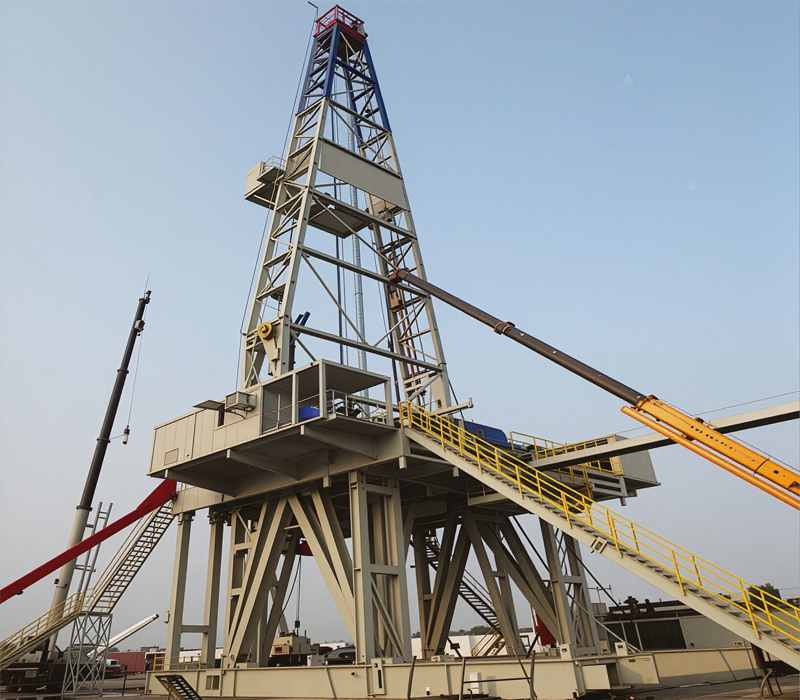
Cluster well drilling rig on pad

Why Cluster Well Drilling Matters

Cluster (pad) drilling changes the economics of field development:

  • Fewer rig moves: Instead of moving the rig between well sites, you slide it on the same pad. Rig move time drops from days to hours.
  • Smaller footprint: All wells share one pad, one access road, one set of surface facilities. Reduced environmental impact.
  • Higher efficiency: The rig crew stays in one location. Demobilization and remobilization costs are eliminated.
  • Lower cost per well: All these savings add up —cluster drilling can cut drilling costs by 20-30% compared to individual wells.

This is why modern shale development in North America, China and elsewhere uses pad drilling almost exclusively. The rig is the key piece of equipment —it must be designed for fast, repeated moves.

Rig Types for Cluster Drilling

Skid Mounted (Walking) Rig

The rig sits on skids that slide horizontally on steel tracks. Hydraulic cylinders or screw jacks move the rig between wellheads on the pad. This is the most common cluster drilling configuration. Move between wells takes hours, not days. The rig stays assembled during the move.

Truck Mounted Rig

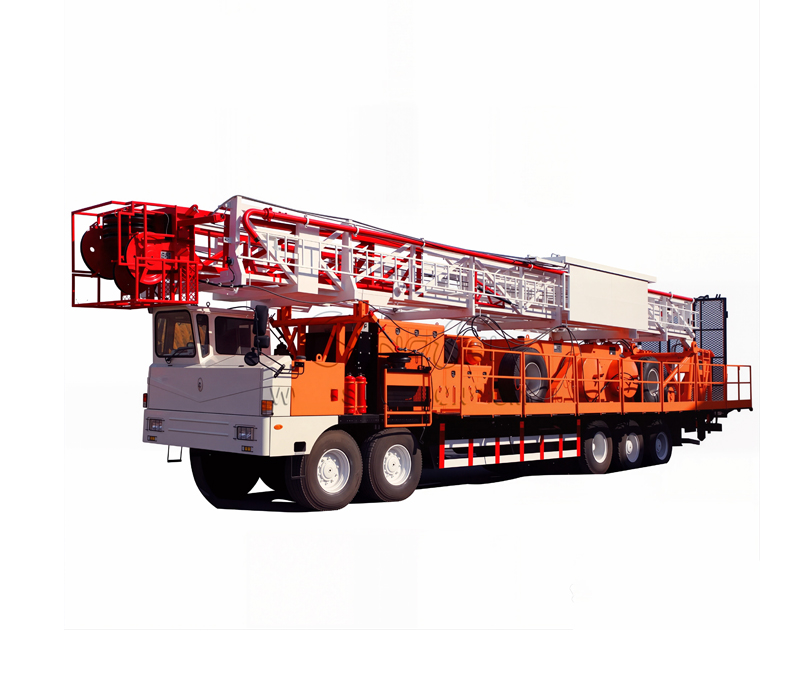
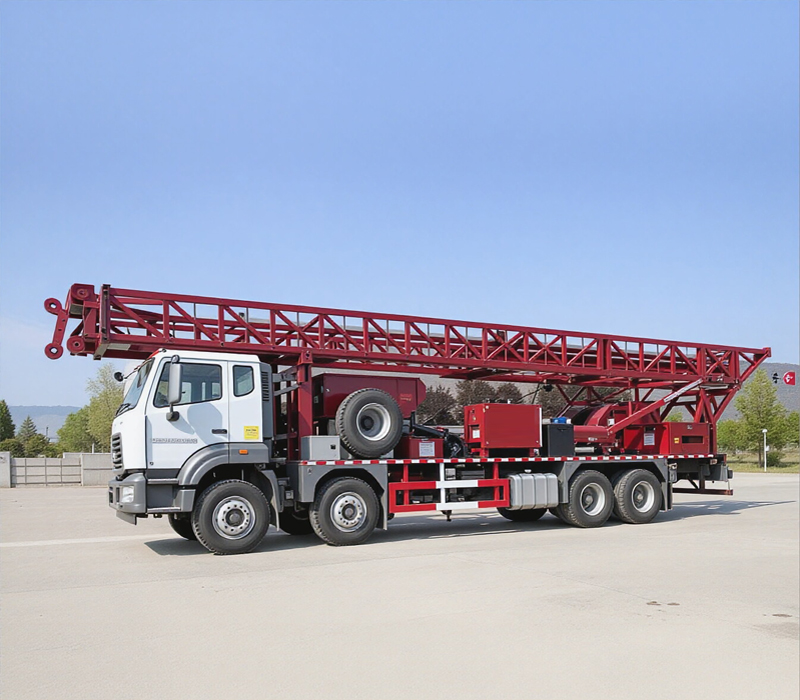
The entire rig is mounted on a heavy truck chassis. It drives between wells on the same pad. Faster than skid mounted for longer distances on the pad. Requires road access within the pad. Good for smaller pads with widely spaced wells.

Typical Specifications

Parameter Typical Range
Hook load capacity 225 - 450 tons (500K - 1,000K lbs)
Max drilling depth 3,000 - 6,000 m (10,000 - 20,000 ft)
Rig move distance on pad 5 - 30 m between wells
Rig move time 2 - 8 hours (not days)
Number of wells per pad 4 - 20 wells typical
Power type VFD electric drive preferred

Frequently Asked Questions

How many wells can you drill from one pad?

Typical pads have 4-12 wells, but modern shale pads can have 20+ wells. The number depends on surface spacing, subsurface targets, and well spacing regulations. Larger pads mean more wells per rig move —the economics improve with more wells per pad. We can help you design the pad layout based on your field plan.

What is the typical rig move time between wells?

For a skid mounted walking rig, moving between wells on the same pad takes 2-8 hours. This includes sliding the rig, leveling it, and re-establishing well control. Compare this to 3-7 days for a conventional rig move between separate well sites. The time savings compound across a multi-well pad —you can drill an extra well or two per month.

Can a regular drilling rig be converted for cluster drilling?

Partially. A conventional rig can drill multiple wells from one pad, but it won't have the fast-move skid system. You would have to rig up and rig down between each well, which defeats much of the purpose. For true cluster drilling efficiency, you need a purpose-built rig with a walking/skidding system. We can retrofit some features on existing rigs, but a new purpose-built rig is the better investment.

Need a Cluster Well Drilling Rig?

Tell us your well depth, number of wells per pad, and preferred rig type. Our engineering team will recommend the right cluster drilling rig and provide a quote within 48 hours.