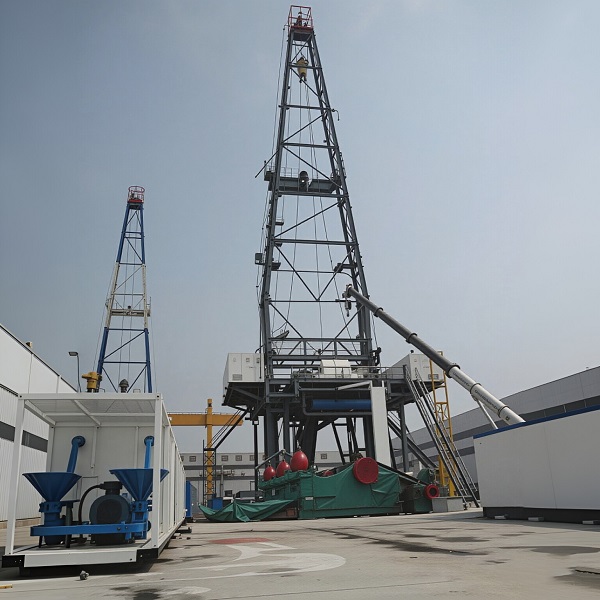
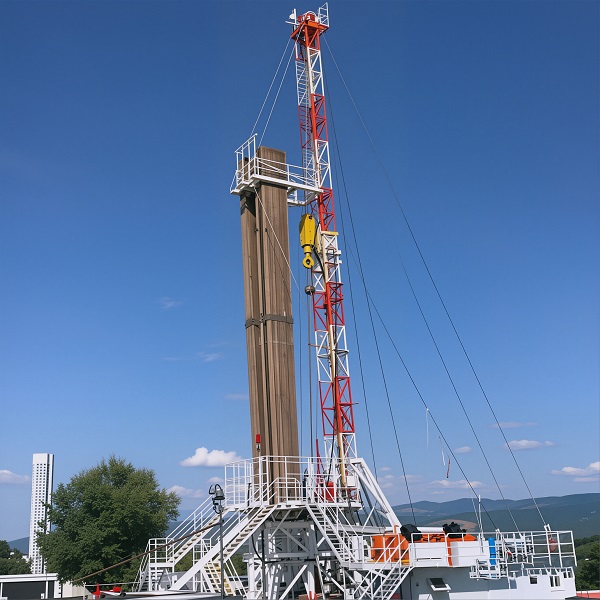
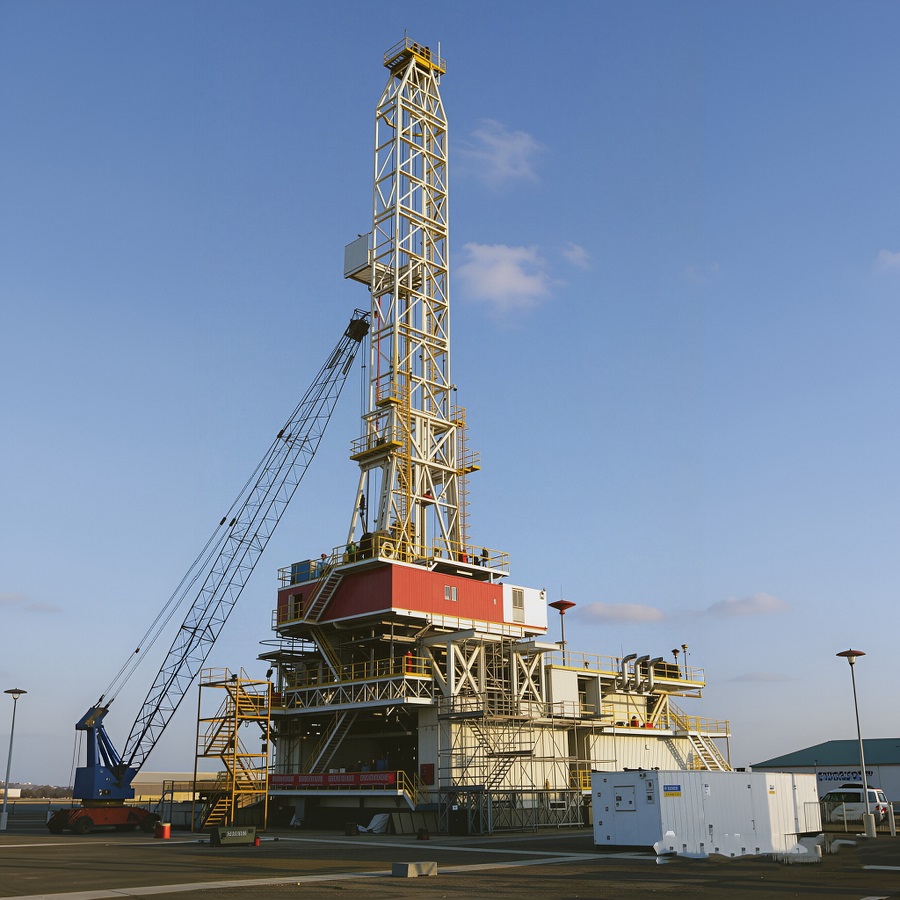
By Well Depth
- Shallow (0-1,500 m): Light-duty rigs, portable
- Medium (1,500-4,500 m): Standard onshore rigs
- Deep (4,500-6,000 m): Heavy-duty, high-capacity
- Ultra-deep (> 6,000 m): Specialized deep drilling rigs
A drilling rig is a complex system of equipment used to drill boreholes for oil, gas, geothermal or water exploration and production. This guide covers the types, classifications, key components and selection criteria for drilling rigs used in the oil and gas industry.
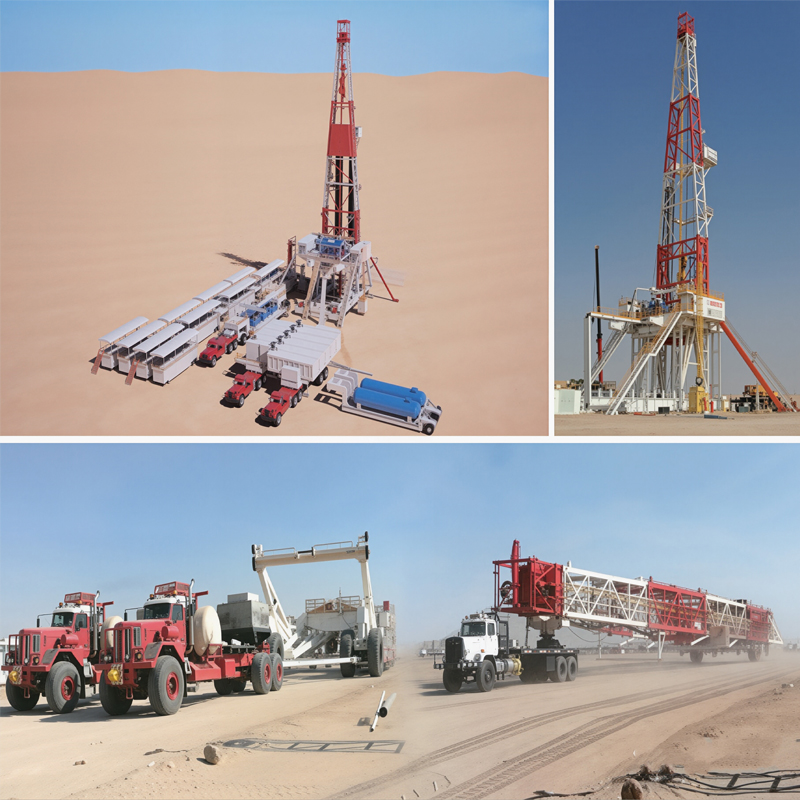
A drilling rig is an integrated system that drills wells into the earth's subsurface. In the oil and gas industry, drilling rigs are used to create wellbores that enable extraction of hydrocarbons from underground reservoirs.
Drilling rigs can be classified by several different criteria depending on the context:
Selecting the right drilling rig depends on several key factors. Here is a step-by-step guide:
The maximum well depth determines the required hook load and rig capacity. Deeper wells require stronger hoisting systems, taller masts and more power.
If you drill multiple wells in different locations, mobility is critical. Truck-mounted rigs can be moved between well sites without disassembly.
Browse our standard drilling rig lineup. All rigs are API certified and available in various configurations to meet your specific requirements.
All our drilling rig components meet API specifications. The hoisting system, rotary equipment and pressure control equipment are API 7K / API 8C certified.
Our rigs use modular design principles. Components are standardized and interchangeable. This reduces maintenance time and spare parts inventory requirements.
For customers who prefer electric drive, we offer VFD (Variable Frequency Drive) configurations. Electric motors provide better control, higher efficiency and lower fuel consumption.
Our mobile rigs are designed for rapid rig-up and rig-down. The mast can be raised hydraulically without additional crane. Reduces mobilization time between well sites.
All rigs include a PLC-based control system with touchscreen HMI. Monitors drilling parameters in real-time: weight on bit, torque, RPM, pump pressure, mud flow.
Our engineers provide commissioning, operator training and troubleshooting. Critical spare parts are stocked in regional warehouses for fast delivery to any location.
A drilling rig is designed to drill new wells from the surface. A workover rig is typically smaller and used for well intervention operations on existing wells (completion, recompletion, workover). Drilling rigs have higher hoisting capacity and deeper drilling capability.
Drilling time depends on well depth, formation type and rig capacity. A shallow well (1,500 m) may take 3-10 days. A medium-depth well (3,000 m) typically takes 15-30 days. A deep well (6,000 m+) can take 60-120+ days.
With proper maintenance, a drilling rig typically operates for 20-30 years. Major components (drawworks, mast, rotary table) have long service lives. Wear parts (bushings, seals, brake pads) are replaced periodically as part of routine maintenance.
Yes. We offer a wide range of customization options: different mast heights, drawworks power ratings, mud pump configurations, control systems, climate packages and chassis types. Tell us your specific needs and we will design a rig that fits.
Standard configuration drilling rigs take approximately 12-18 months from order confirmation. Custom configurations (special capacity, unique climate package, offshore-rated) may require 18-24 months. Refurbished or near-stock rigs can be delivered in 3-6 months.
Tell us your target well depth, mobility requirements and operating region. Our engineering team will recommend the optimal drilling rig configuration and provide a detailed quotation within 48 hours.