
1. Pump Type & Application
The biggest single price driver. A chemical injection pump costs a fraction of a high-pressure fracturing quintuplex pump. The application determines the pump design, materials, and complexity.
Pumping unit pricing varies widely based on pump type, pressure rating, flow rate, prime mover, and mounting style. This guide explains what drives the cost of cementing pumps, fracturing pumps, mud pumps and more, typical price ranges by application, and how to optimize your budget without compromising reliability.
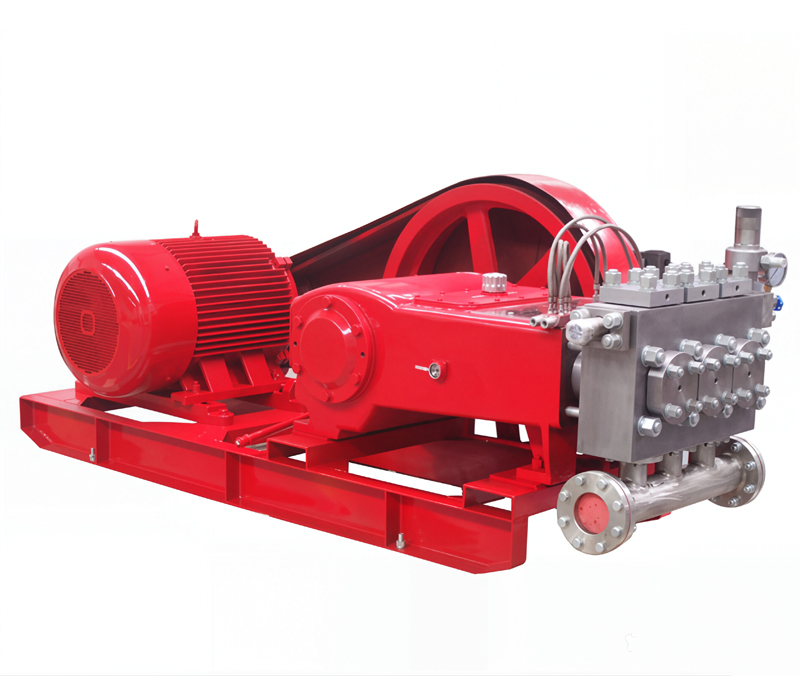
Before you request a quote, it helps to understand which configuration choices move the price up or down.
The biggest single price driver. A chemical injection pump costs a fraction of a high-pressure fracturing quintuplex pump. The application determines the pump design, materials, and complexity.
Higher pressure requires heavier-duty pump ends, stronger materials, and more robust sealing. 70 MPa rated pumps cost significantly more than 7 MPa rated pumps. 105 MPa rated equipment costs even more.
Larger flow rate requires bigger pumps, larger prime movers, and larger piping. A high-rate fracturing pump costs much more than a low-volume chemical injection pump.
Diesel engine vs electric motor drive. Diesel engines add cost but provide self-contained operation. Electric motors are cheaper upfront but require grid power. Imported brand engines (Caterpillar, Cummins) cost more than domestic Chinese engines.
Truck-mounted units include the chassis cost. Skid-mounted units are the most economical. Trailer-mounted units are in between. Mounting choice has a significant impact on total price.
Manual control is standard. Fully automated control with real-time monitoring, data acquisition, and touchscreen operation adds to the price. Higher automation improves efficiency but costs more upfront.
Standard cast iron or ductile iron pump ends. Special materials (stainless steel, duplex, NACE MR0175 for sour service) add cost. Erosion-resistant trim (tungsten carbide coating) extends life but costs more.
Using well-known brand components (Caterpillar engines, Rexroth hydraulics, Siemens controls) increases upfront cost but often improves reliability and residual value. We offer both domestic and imported component options.
These are approximate reference ranges for budget planning purposes. Final pricing depends on your exact configuration. Contact us for a firm quote.
| Pump Unit Type | Pressure Range | Flow Rate | Reference Price Range (FOB China) |
|---|---|---|---|
| Chemical Injection Pump | 7–35 MPa | 0.01–0.5 m³/min | USD 15,000–50,000 |
| Fluid Transfer Pump | 1–7 MPa | 1–10 m³/min | USD 25,000–80,000 |
| Mud Circulation Pump | 20–35 MPa | 1–4 m³/min | USD 50,000–150,000 |
| Cementing Pump Unit | 35–70 MPa | 1–3 m³/min | USD 150,000–400,000 |
| Fracturing Triplex Pump | 70–105 MPa | 2–3 m³/min | USD 400,000–800,000 |
| Fracturing Quintuplex Pump | 70–105 MPa | 3–5 m³/min | USD 600,000–1,200,000+ |
| Pressure Test Pump | 70–105 MPa | Low volume | USD 20,000–80,000 |
Note: All prices are FOB China reference ranges for budget planning only. Actual pricing varies based on configuration, mounting, prime mover, optional packages and order quantity. Shipping, insurance, taxes and import duties are not included.
You don't need to buy more pump than your operation requires. Here are practical ways to control cost without compromising reliability.
Don't over-specify. If your typical work only needs 35 MPa at 1 m³/min, don't buy a 70 MPa at 3 m³/min pump (and pay 3x more) for "future" jobs you may never do. Buy for your current program.
If your location has reliable grid power, electric motor drive is cheaper upfront and has lower operating cost. If you need self-contained, portable operation, diesel is the right choice. Choose based on your actual operating conditions.
Buying a complete pump unit from one supplier costs less than piecing together pump end, power end, and prime mover from different vendors. Everything is matched, integrated, and covered by one warranty.
Refurbished pump units offer 50–70% of the new unit price, with a warranty on rebuilt components. This is a good option for budget-constrained projects or pilot operations.
If you need multiple pump units for a fleet expansion program, ordering together reduces engineering overhead, production setup time and shipping cost. Bulk orders qualify for volume pricing.
A cheaper pump with higher fuel consumption, more frequent maintenance and shorter service life can cost more over 10 years than a slightly more expensive, reliable unit. Factor in operating costs when comparing prices.
We believe in transparent pricing. Here is how we work with you to get an accurate quote:
Send us your fluid type, required pressure, flow rate, mounting preference, and any special requirements. The more details you provide, the more accurate the quote.
Our engineering team reviews your requirements and recommends the right pump type, size, and configuration. If you don't need all the options you asked for, we will tell you —we don't sell you more pump than you need.
You receive a detailed quote with: pump model specifications, configuration list, optional items, FOB price, estimated lead time, and payment terms. No hidden fees.
Once you confirm the configuration and price, we begin engineering and production. You receive regular progress updates throughout the build.
The biggest factors are pressure rating and flow rate. A chemical injection pump (low pressure, low flow) costs a fraction of a high-pressure fracturing quintuplex pump (high pressure, high flow). Additional major factors are pump type (plunger vs centrifugal), prime mover, and mounting. The reference ranges on this page show how price scales across different pump applications.
Yes —our pump unit prices include the complete unit: pump end, power end, prime mover, gearbox, and base frame. If you only need the pump end (without prime mover), we can quote that separately. Tell us what configuration you need, and we will price accordingly.
Our standard terms are typically 30% advance payment with the purchase order, and 70% balance before shipment. For long-term customers or large orders, we can discuss other arrangements. All pricing is in USD, and we accept T/T (bank wire) as standard payment method.
No. Our quotes are FOB China port, with a clear list of what is included (pump unit, standard accessories, documentation, FAT). Shipping, insurance, import duties, taxes and inland transport to your location are not included —we can help you estimate these separately. We also offer CIF pricing to your destination port on request.
We focus on delivering value, not just the lowest sticker price. If you receive a lower quote, send it to us —we will review the configuration side by side. Sometimes the lower price is for lower pressure rating, smaller flow rate, or lower-quality components. We will be transparent about the differences and work with you to find the best option for your budget and requirements.
Tell us what you need to pump, at what pressure and flow rate. We will send you a detailed, transparent quotation within 48 hours. No hidden fees, no pressure.