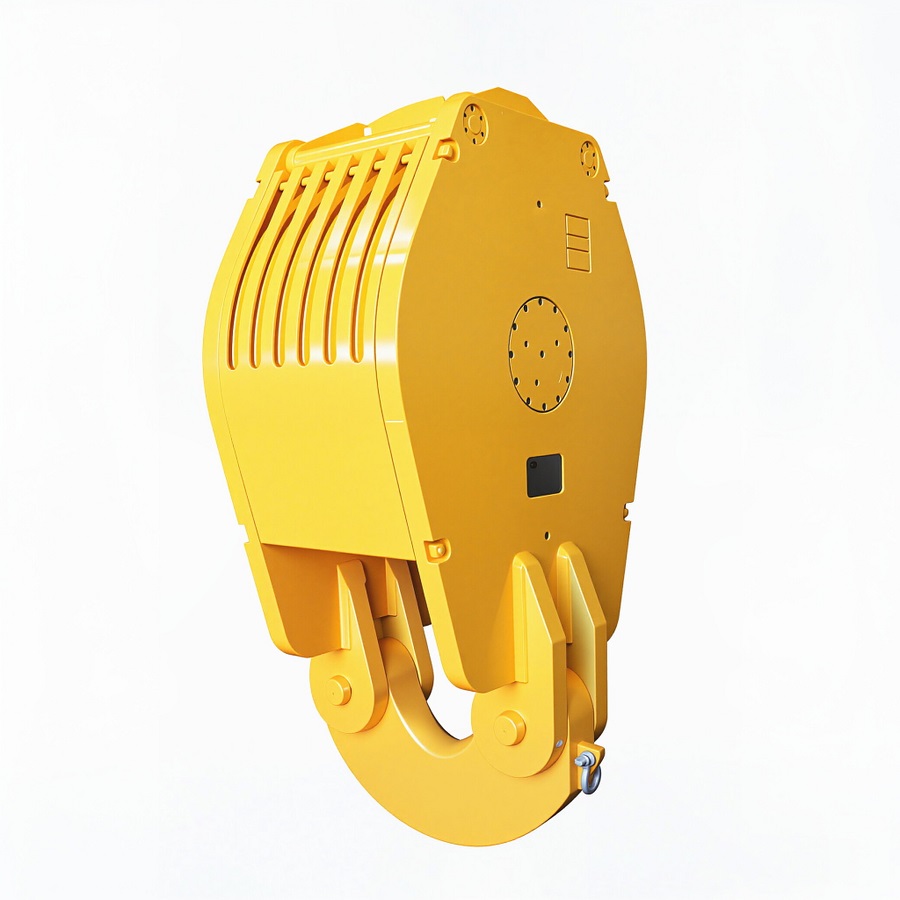
Drilling Hook Assembly | Swivel Hook | API 8C

Travelling Hook: Connecting the Block to the Drill String

The travelling hook (also called drilling hook or swivel hook) connects the traveling block to the drill string. It hangs below the traveling block and provides the connection point for the swivel, kelly, or top drive. The hook is a critical load-bearing component of the hoisting system.

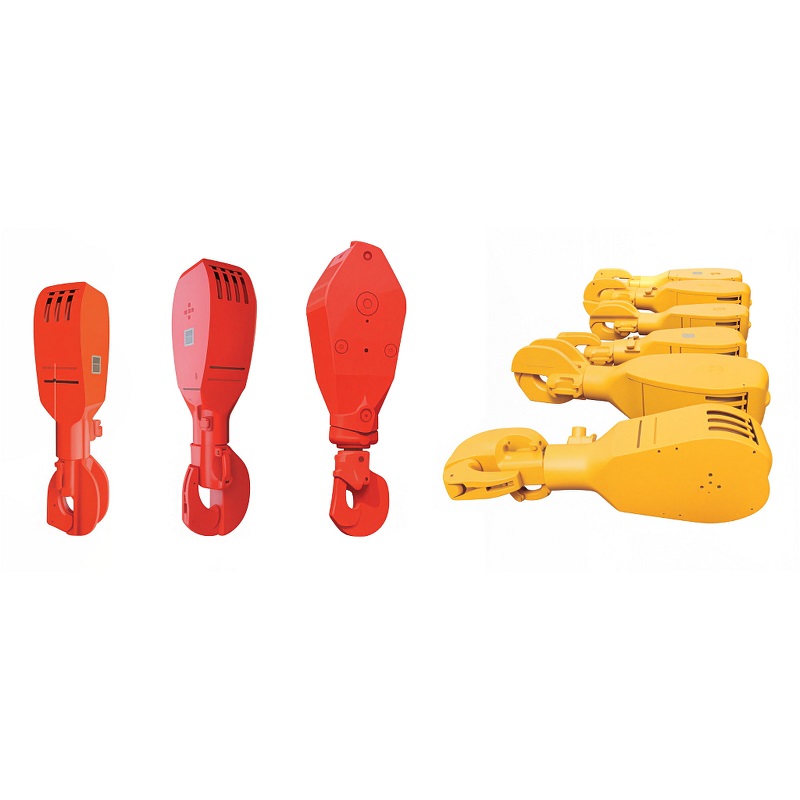
Travelling hook for drilling rig hoisting system

Hook Design & Components

Key Components

  • Hook body: Heavy steel casting or forging, the main load-bearing component
  • Hook latch: Spring-loaded latch that prevents the load from slipping off
  • Shank: Connects the hook body to the traveling block above
  • Thrust bearing: Allows the hook to rotate under load (for swivel operation)
  • Safety latch: Secondary safety latch for additional security

Hook Types

  • Single hook: One hook, standard for most drilling rigs
  • Dual hook: Two hooks (main + auxiliary), for large rigs
  • Rotating hook: Hook that can rotate under load (for kelly drive)
  • Non-rotating hook: Fixed hook, for top drive systems
  • Hook block assembly: Hook integrated with traveling block (single unit)

Applications of Travelling Hooks

Kelly Drive Systems

In a traditional kelly drive drilling rig, the travelling hook holds the kelly swivel. The swivel hangs from the hook and allows drilling fluid to pass through while the drill string rotates. The hook must be able to rotate (or the swivel rotates) to accommodate kelly rotation. This is the classic drilling rig configuration.

Top Drive Systems

Modern drilling rigs use top drive systems instead of kelly drive. The top drive hangs directly from the travelling block/hook. The hook doesn't need to rotate because the top drive itself rotates. Top drive hooks are typically non-rotating and have a direct connection to the top drive unit.

Workover Operations

Workover rigs use travelling hooks to lift and lower tubing strings. The hook connects to the elevator, which grips the tubing. Workover hooks are typically smaller than drilling hooks but follow the same basic design. Hook block assemblies (combined hook + traveling block) are common on workover rigs for compactness.

Typical Travelling Hook Sizes

Model Load Capacity Hook Type Typical Application
DG-150 150 tons Single, rotating Workover rig, small drilling rig
DG-225 225 tons Single, rotating Medium drilling rig
DG-315 315 tons Single, rotating Standard land drilling rig
DG-450 450 tons Dual, rotating Large land drilling rig
DG-675 675 tons Dual, rotating Deep drilling rig
DG-900 900 tons Dual, rotating Ultra-deep drilling rig

Hook Block Assembly (Combined Unit)

Many drilling and workover rigs use a hook block assembly —the traveling block and hook integrated into a single unit. This design saves space and simplifies installation.

Advantages of Hook Block Assembly

  • Compact design —saves derrick space
  • Simpler installation —one unit instead of two
  • Lower overall height
  • Common on workover rigs and smaller drilling rigs
  • Easier maintenance —integrated design

When to Use Separate Block + Hook

  • Large drilling rigs with high hook loads
  • Rigs that need to change hook types frequently
  • Offshore rigs with space constraints (often use integrated)
  • Specialized applications (e.g., casing running tools)
  • Rigs that use top drive (often integrated block + top drive)

Hook Safety Features

Mechanical Safety

  • Safety latch: Spring-loaded latch prevents load from jumping off
  • Latch lock: Locks the latch in closed position
  • Hook throat design: Wide enough for elevator bail, narrow enough to prevent accidental release
  • Load indicator: Shows actual hook load (optional)
  • Design factor: API 8C requires 3:1 design factor

Inspection Requirements

  • Visual inspection before each use
  • Check hook body for cracks, wear or deformation
  • Check latch operation —must open and close smoothly
  • Check thrust bearing —must rotate freely under load
  • NDE (non-destructive examination) annually
  • Replace hooks that show cracks or excessive wear

Frequently Asked Questions About Travelling Hooks

What is the difference between a travelling hook and a swivel?

A travelling hook is a load-bearing hook that hangs from the traveling block. It provides a connection point. A swivel hangs from the hook and allows drilling fluid to pass through the drill string while it rotates. The swivel has a fluid passage and a rotating seal. The hook itself doesn't carry fluid —it just provides a mechanical connection. In top drive systems, the top drive unit replaces the swivel and hangs directly from the traveling block/hook.

How do I choose the right hook for my rig?

The hook size is determined by the maximum hook load (drill string weight + safety margin). Choose a hook with a rated load capacity that exceeds the maximum expected hook load with at least a 25% safety margin. API 8C requires a 3:1 design factor. Also consider: rotating vs non-rotating (depends on kelly vs top drive), single vs dual hook (depends on rig size), and hook connection type (must match your traveling block). Our engineering team can help you select the right hook for your specific rig configuration.

What happens if a hook fails?

Hook failure is a serious safety incident. If the hook fails under load, the drill string could fall down the hole, which is extremely expensive to fish out and could damage the wellbore. This is why hooks are designed with a 3:1 design factor and require regular inspection. Never use a hook with cracks, excessive wear, or a malfunctioning latch. If you suspect hook damage, stop operations immediately and replace the hook. Safety always comes first.

Can I replace just the hook or do I need to replace the whole block?

If you have a separate traveling block and hook (not integrated), you can replace just the hook. The hook bolts onto the bottom of the traveling block. Make sure the replacement hook has the same load rating and bolt pattern. If you have an integrated hook block assembly, you typically need to replace the whole unit. However, some integrated designs allow hook replacement. Check with the manufacturer. Always verify that the replacement hook meets API 8C standards.

What is the cost of a travelling hook?

The cost depends on size and type. A light-duty (150 ton) hook may cost USD 3,000-8,000. A medium-duty (315-450 ton) hook typically costs USD 8,000-20,000. A heavy-duty (675-900 ton) hook can cost USD 20,000-40,000 or more. Dual hooks and special configurations add cost. Hook block assemblies (integrated block + hook) cost more than separate components but save installation time. Contact us for a detailed quotation based on your specific requirements.

Need a Travelling Hook for Your Rig?

Tell us your rig size, maximum hook load and drive type (kelly or top drive). Our engineering team will recommend the optimal travelling hook configuration and provide a detailed quotation within 48 hours.