-40°C Rated | Arctic Steel | Heated Enclosures

Cold Weather Drilling Rig: Built for -40°C and Below

Drilling in cold climates is a completely different challenge. At -40°C, standard structural steel becomes brittle and can crack under load. Hydraulic oil thickens to the consistency of tar. Diesel fuel gels and won't flow. Engines won't start without preheating. Water lines freeze solid. A standard drilling rig simply won't work in arctic conditions —it needs to be built for cold weather from the ground up: low-temperature steel for all structural components, heated enclosures for the power and hydraulic systems, cold-start engines with block heaters, insulated fluid lines, and crew quarters that stay livable. We design and build cold weather drilling rigs for operations in Siberia, northern Canada, Alaska, Northeast China, and other sub-zero environments. Our standard cold weather package is rated for -40°C ambient; our extreme arctic package is rated for -55°C.

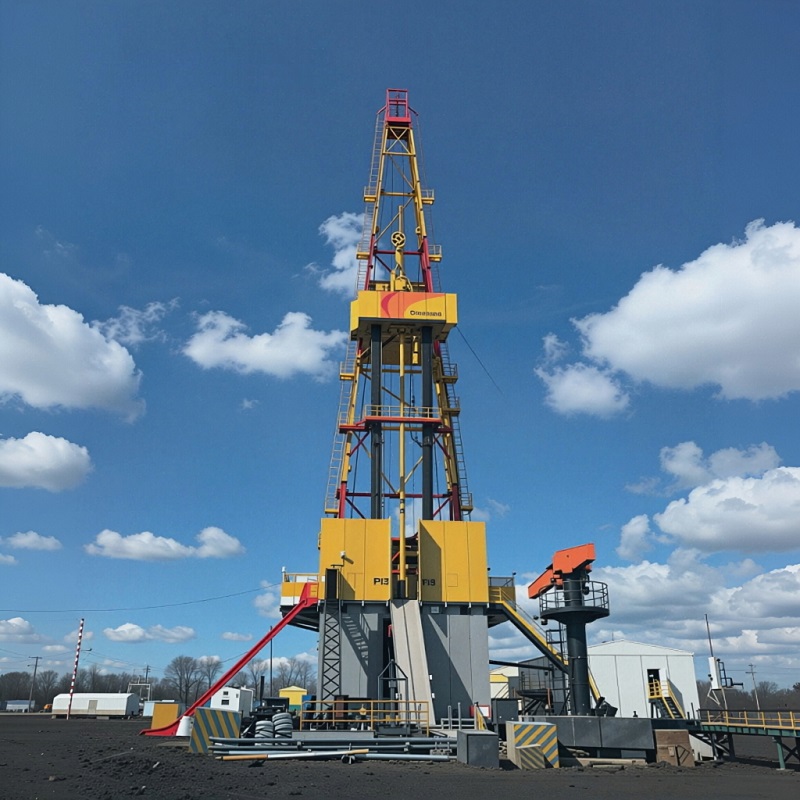
Cold weather drilling rig in snow

What Breaks in Cold Weather?

Challenge Problem Cold Weather Solution
Brittle Steel Standard steel cracks at low temperature Low-temperature carbon steel (LTCS), Charpy V-notch tested at operating temp
Hydraulic Oil Thickens Hydraulic systems slow or stop Low-temperature hydraulic oil, heated hydraulic tanks and lines
Engine Won't Start Diesel gels, battery capacity drops Block heaters, coolant heaters, battery warmers, cold-start engines
Frozen Lines Water lines, mud lines freeze solid Insulated lines, trace heating, heated mud pits
Crew Comfort Crew can't work outdoors in extreme cold Heated driller's cabin, heated crew quarters, enclosed walkways

Cold Weather Rig Packages

Standard Cold Weather (-40°C)

Low-temperature steel for main structures, heated engine enclosure, cold-start engine package, insulated hydraulic lines, heated driller's cabin. For most cold-climate operations: Northeast China, northern Canada, central Siberia.

Extreme Arctic (-55°C)

All standard features plus: arctic-grade steel, fully enclosed power unit, heated mud system, enclosed walkways, heated crew quarters, redundant heating systems. for the most extreme environments: northern Siberia, Arctic Canada, Alaska North Slope.

Winterization Package

If you already have a standard rig and need to operate it in cold weather, we offer a winterization package: engine heaters, hydraulic heating, line insulation, cabin heating. Retrofit to your existing rig.

Mud System Cold Weather

Heated mud tanks, insulated mud pits, heated mixing water. Standard mud systems freeze solid in cold weather. Our cold weather mud system keeps mud fluid and pumpable at sub-zero temperatures.

Frequently Asked Questions

What's the difference between standard steel and arctic steel?

Standard carbon steel becomes brittle below about -20°C. It can crack suddenly under load (impact, vibration, wind loading) without warning. Arctic-grade (low-temperature) steel is specially alloyed and heat-treated to maintain toughness at low temperatures. We specify arctic steel for all structural components (mast, substructure, load-bearing frames) that operate at your minimum ambient temperature. We provide Charpy V-notch impact test certificates for the steel, tested at your design temperature.

Can we winterize an existing rig instead of buying a new one?

It depends on the rig. Some older rigs can be winterized: add engine heaters, hydraulic heating, line insulation, cabin heating. But if the structural steel is standard grade (not low-temperature), it can't be "winterized" —the material is inherently brittle at low temperature. Tell us what rig you have and what temperature you need to operate at, and we'll evaluate whether winterization is feasible or if you need a new cold weather rig.

How does cold weather affect drilling performance?

Cold weather reduces drilling efficiency in several ways: (1) hydraulic systems are slower until warm, (2) mud pumps require heated mud to maintain viscosity, (3) crews work more slowly in extreme cold, (4) equipment requires more maintenance. A properly winterized rig can maintain near-normal drilling efficiency. A non-winterized rig will spend most of its time trying to start and warm up, with very little actual drilling.

Drilling in Cold Weather? Don't Let Temperature Shut You Down.

Tell us your minimum ambient temperature and drilling program. We'll design a cold weather drilling rig —or a winterization package for your existing rig —that keeps you drilling safely and productively, even at -40°C or below.