Chemical Injection | Precision Metering

Liquid Additive Injection System for Cementing & Fracturing

A liquid additive system precisely meters chemical additives into cement slurry or fracturing fluid. It ensures accurate dosage of dispersants, retarders, accelerators, friction reducers and other chemicals —critical for achieving the desired slurry properties and job performance.

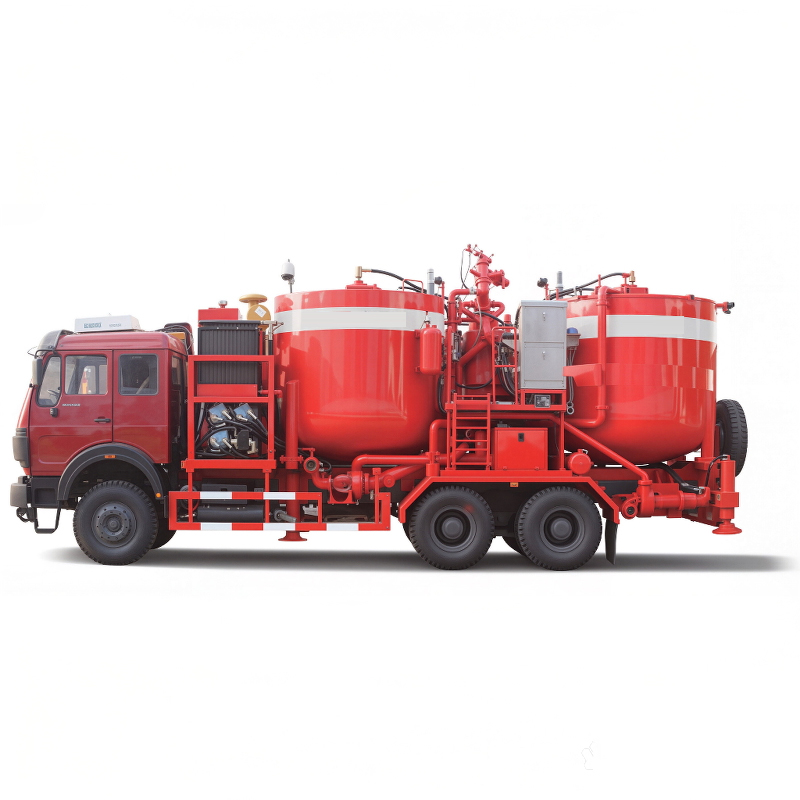
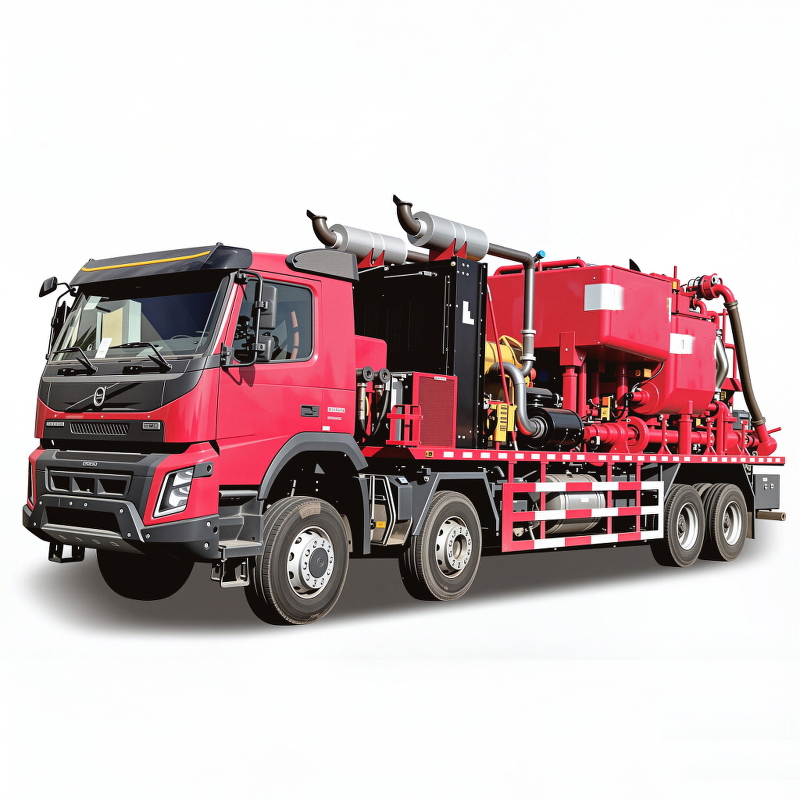
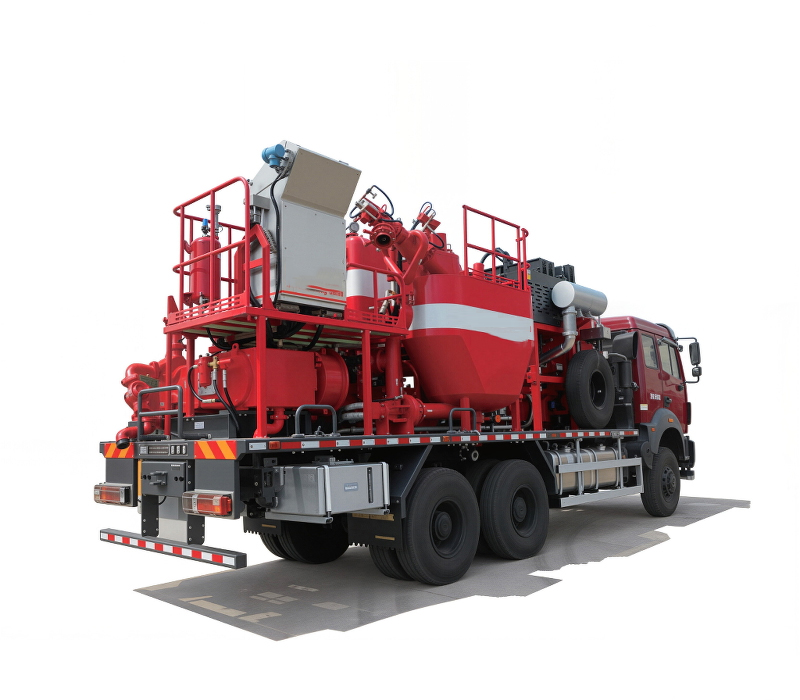
Liquid additive injection system for oilfield operations

Why Precision Additive Injection Matters

Chemical additives are what transform neat cement or water into a specialized engineering fluid. Getting the dosage right is critical —too little and the fluid doesn't perform; too much and you waste chemicals or create unintended side effects.

Cementing Additives

Retarders: Extend thickening time for deep, hot wells. Too little = cement sets downhole before placement. Too much = cement never sets properly.

Accelerators: Speed up set time for shallow, cold wells. Critical for avoiding long wait times on location.

Dispersants: Improve cement flowability, allowing higher density slurry with less water. Affects slurry rheology and final strength.

Fracturing Additives

Friction Reducers: Reduce pipe friction to enable higher pump rates at lower pressure. Dosage directly impacts treating pressure and job success.

Gelling Agents: Increase fluid viscosity to carry proppant. Consistent dosage is essential for uniform proppant distribution.

Biocides: Prevent bacteria growth in water-based fluids. Critical for long-term well integrity and flowback handling.

Components of a Liquid Additive System

A professional additive injection system includes multiple chemical channels, each with its own metering pump and control:

Component Function Typical Specification
Chemical Tanks Store liquid additives 200-500 L per channel, HDPE or stainless steel
Metering Pumps Precise dosing of each chemical 0.5-50 L/min per channel, reciprocating diaphragm
Flow Meters Monitor actual injection rate Coriolis or electromagnetic, ±0.5% accuracy
Control Cabinet Set dosage rates, monitor performance PLC-based, touchscreen HMI, data logging
Suction Manifold Draw chemical from tanks to pumps Quick-disconnect fittings, suction strainers
Discharge Manifold Combine all chemical streams into one injection line Back-pressure valve, check valves on each channel

Standard Additive System Configurations

We offer several standard configurations based on the number of chemical channels required:

2-Channel System

For simple cementing jobs: Retarder + dispersant, or accelerator + dispersant. Ideal for shallow wells and workover cementing.

Flow range: 0.5-20 L/min per channel

Mounting: Truck / Skid

4-Channel System

For standard cementing spreads: Retarder, accelerator, dispersant, fluid loss control. The most common configuration for primary cementing.

Flow range: 0.5-50 L/min per channel

Mounting: Truck / Skid / Trailer

6+ Channel System

For complex cementing / fracturing: Multiple additives for HPHT wells, deepwater, or multi-stage fracturing. Custom channel count available.

Flow range: 0.5-100 L/min per channel

Mounting: Skid / Trailer / Offshore

Where Additive Injection Systems Are Used

Primary Cementing Operations

Every primary cementing job uses at least 2-3 additives. The additive system is mounted on the cementing unit or as a separate auxiliary vehicle in the spread.

Squeeze & Remedial Cementing

Squeeze jobs often require specialized additive blends. The flexible channel configuration allows quick switching between different chemical recipes.

Hydraulic Fracturing

Fracturing operations use friction reducers, gelling agents, biocides and other additives. The additive system is part of the frac spread, integrated with the blender.

Well Stimulation & Acidizing

Acidizing operations use corrosion inhibitors, friction reducers and diverting agents. The additive system precisely meters these chemicals into the acid stream.

Engineering Advantages of Our Additive Systems

Coriolis Flow Measurement

Each channel includes a Coriolis mass flow meter. This provides true mass-based dosage (not volume), which is critical because chemical density varies with temperature and concentration.

PLC Closed-Loop Control

The control system automatically adjusts pump speed to maintain the target injection rate. If flow resistance changes (viscosity, line blockage), the pump compensates automatically.

Recipe Management

Store up to 50 pre-programmed chemical recipes. Recall a recipe by job type or well program. No need to re-enter dosage rates for every job.

Data Logging & Export

All injection data is logged: time, flow rate per channel, total volume pumped, density. Export as CSV for job records and regulatory compliance.

Chemical Compatibility

All wetted parts are compatible with common oilfield chemicals: acids, bases, solvents, friction reducers. Materials are selected based on your chemical list.

Safety Features

Low-level tank alarms, leak detection, emergency shutoff buttons, and chemical-resistant spill containment. Meets standard HSE requirements for chemical handling.

Frequently Asked Questions About Liquid Additive Systems

How accurate is the additive injection?

Our systems use Coriolis mass flow meters with ±0.5% accuracy. The PLC closed-loop control maintains the target dosage within ±1% of setpoint under normal operating conditions. This is significantly more accurate than manual or volumetric injection methods.

Can the system handle corrosive chemicals?

Yes. For corrosive chemicals (acids, strong bases), we offer systems with all wetted parts made from Hastelloy, duplex stainless steel or PTFE-lined components. We select materials based on your specific chemical list and concentration.

How many different chemicals can I inject simultaneously?

Standard systems offer 2, 4 or 6 channels. Custom configurations with 8, 10 or more channels are available. Each channel is independent —different chemical, different flow rate, different tank size.

Can I integrate the additive system with my existing cementing unit?

Yes. Our additive systems are designed as modular units that can be integrated with most cementing units. We provide interface documentation and can adapt the control system to communicate with your existing control platform.

What maintenance does an additive system require?

Routine maintenance includes: cleaning chemical tanks between jobs, checking pump diaphragms (replace every 6-12 months), calibrating flow meters annually, and inspecting piping for chemical damage. We provide a detailed maintenance schedule and spare parts list.

Need a Custom Additive Injection System?

Tell us your chemical list, required flow rates and mounting preference. Our engineering team will design a custom additive system tailored to your specific operations and provide a detailed quotation.