
Sand Cleanout
Produced sand fills the bottom of the well, reducing production. Coiled tubing runs down, circulates fluid to lift sand out of the well. The most common remedial CT job. Critical for sandstone reservoirs and horizontal wells.
When a well starts underperforming —production drops, pressure declines, sand fills the bottom —the traditional fix is a full workover: pull the tubing, repair the well, run tubing back in. That's expensive, slow, and requires a workover rig. But many well problems don't need a full workover. They need a light intervention: pump some fluid down, clear a blockage, spot some acid. That's what coiled tubing remedial services are: running small-diameter coiled tubing down the existing tubing string, doing the job, and pulling out. No need to pull the completion. No need for a workover rig. The well stays intact, the problem gets fixed, and production resumes —in days instead of weeks. We design and manufacture coiled tubing units built for remedial intervention: cleanout, wax removal, acid stimulation, plug drilling, and other routine well maintenance jobs.
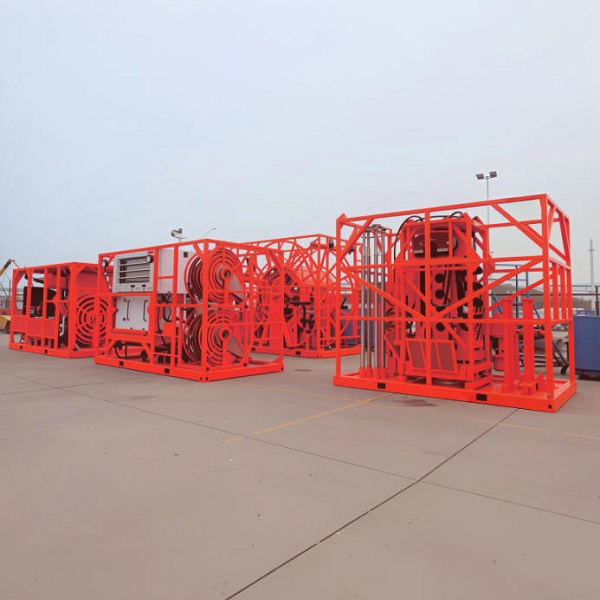
Produced sand fills the bottom of the well, reducing production. Coiled tubing runs down, circulates fluid to lift sand out of the well. The most common remedial CT job. Critical for sandstone reservoirs and horizontal wells.
Wax deposits on the tubing walls, restricting flow. Coiled tubing can mechanically scrape wax, or pump hot oil/solvent to dissolve it. Common in cold-climate wells and high-paraffin crude.
Spotting acid precisely at the perforations to remove scale, stimulate the formation, or improve permeability. Coiled tubing allows accurate acid placement —without acidizing the whole wellbore.
Drilling through cement plugs, bridge plugs, or obstructions in the well. Coiled tubing with a downhole motor and mill bit can drill through plugs to restore well access.
| Factor | Coiled Tubing Remedial | Full Workover Rig |
|---|---|---|
| Well Completion | Stays in place (no pulling tubing) | Pulled and rerun |
| Time | 1-3 days | 1-4 weeks |
| Cost | Lower (faster, less equipment) | Higher (rig time, pulling units) |
| Best For | Cleanouts, stimulation, plug removal | Completion replacement, casing repair, major workover |
Use coiled tubing when the problem is in the wellbore or near the perforations: sand fill, wax, scale, plug removal, or spot acid stimulation. The completion is fine —you just need to clear something out or treat a specific zone. Use a full workover rig when the completion itself needs replacement: tubing corrosion, downhole tools failed, casing damage, or you need to change the completion design. If you're not sure, tell us the problem, and we'll help you decide whether CT or workover is the right approach.
Yes. Coiled tubing is especially valuable for horizontal wells. In a horizontal well, conventional workover with jointed pipe is difficult —you can't easily rotate pipe in a horizontal section. Coiled tubing goes in straight, can reach the toe of the lateral, and can do cleanouts, stimulation, and logging in horizontal wells. This is one of the main reasons coiled tubing demand has grown with the shale revolution.
For most remedial jobs (cleanout, wax, acid), a standard CT unit with 2-inch or 2-3/8-inch tubing is sufficient. If you need to drill plugs or do heavy milling, you may need a larger unit with 2-3/8-inch or 2-7/8-inch tubing and higher pull capacity. Tell us your well depth, deviation, and the type of remedial jobs you plan to do, and we'll recommend the right CT unit size for your operation.
Tell us your well conditions and the types of remedial jobs you do most often. We'll design a coiled tubing unit —right size, right pressure rating, right mounting —built for your routine well intervention work.