Hoisting Winch | Drum & Brakes | API 8C

Drawworks: The Power Behind the Hoisting System

The drawworks is the primary hoisting winch on a drilling or workover rig. It pulls the wire rope that lifts the traveling block and drill string. It is one of the most critical components on the rig —without a working drawworks, you cannot trip pipe or move the drill string.

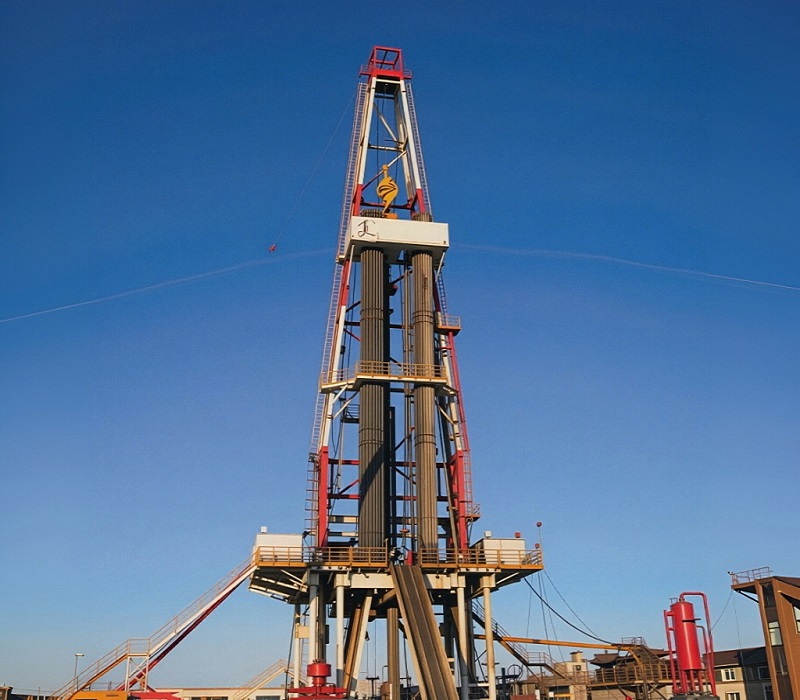
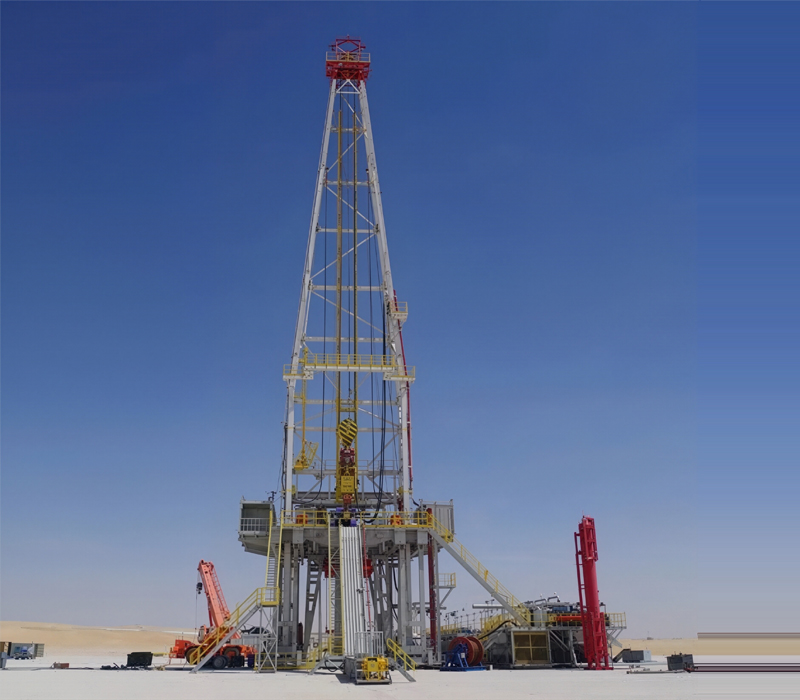
Drawworks drilling rig hoisting winch

Drawworks Design & Components

Key Components

  • Drum: Cylindrical drum that spools the wire rope
  • Brakes: Main brake (band or disc) and auxiliary brake
  • Transmission: Gearbox that provides different speed ranges
  • Clutch: Connects/disconnects power to the drum
  • Prime mover connection: Connects to rig engine/motor

Drum Types

  • Smooth drum: Plain cylindrical drum, simplest design
  • Grooved drum: Has grooved surface for better rope winding
  • Spooling drum: Automatic spooling device for multiple layers
  • Drum size: Larger drums handle more rope and reduce rope fatigue
  • Rope capacity: Depends on drum diameter and length

Drawworks Braking System

Main Brake (Working Brake)

The main brake is used for normal operation —controlling the descent of the traveling block and drill string. It is typically a band brake or disc brake. The driller controls it with a brake lever. The main brake must be able to hold the full hook load and control lowering speed smoothly. It is the most frequently used brake during tripping operations.

Auxiliary Brake (Safety Brake)

The auxiliary brake provides additional braking force for heavy loads and emergency situations. Common types include: eddy current brake (electromagnetic), hydraulic brake, or disc brake. The auxiliary brake is used in addition to the main brake when lowering heavy loads. It prevents the main brake from overheating during long descents. It is also used as a backup if the main brake fails.

Drive Types

Diesel Mechanical Drive

The drawworks is driven by a diesel engine through a mechanical transmission (chain or gear drive). This is the traditional design. The driller engages the clutch to start/stop the drum. Speed is controlled by shifting gears and varying engine RPM. Diesel mechanical drive is simple and reliable but less precise than electric drive.

Electric Drive (DC or AC)

The drawworks is driven by an electric motor (DC or AC with VFD). Electric drive provides precise speed control and smooth operation. The driller controls the motor speed and torque electronically. VFD (variable frequency drive) allows infinite speed control. Electric drive is standard on modern drilling rigs. It is quieter and more efficient than diesel mechanical drive.

Hydraulic Drive

The drawworks is driven by a hydraulic motor powered by a hydraulic power unit. Hydraulic drive provides high torque at low speed and compact design. It is common on smaller rigs and workover rigs. Hydraulic drive is smooth and controllable but less efficient than electric drive. It is typically used on lighter-duty drawworks.

Typical Drawworks Sizes

Model Power Drum Diameter Line Pull Rig Size
JC-30 300 HP 500 mm 30 tons Workover rig
JC-50 500 HP 600 mm 50 tons Small drilling rig
JC-70 750 HP 700 mm 70 tons Medium drilling rig
JC-100 1000 HP 800 mm 100 tons Standard land rig
JC-150 1500 HP 900 mm 150 tons Large land rig
JC-200 2000 HP 1000 mm 200 tons Deep drilling rig

Applications of Drawworks

Drilling Rigs

The drawworks is a standard component on all drilling rigs. It lifts and lowers the drill string during tripping operations. It also provides the hook load support while drilling. Drilling drawworks are typically large (1000-3000 HP) and handle heavy loads. They are designed for continuous operation in demanding drilling conditions.

Workover Rigs

Workover rigs use smaller drawworks than drilling rigs. They lift and lower tubing strings during workover operations. Workover drawworks are typically 300-750 HP. They are often truck-mounted and designed for rapid mobilization. Workover drawworks follow the same basic design principles as drilling drawworks but on a smaller scale.

Drawworks Maintenance

Regular Inspection

  • Check brake condition —pad/shoe wear, smooth operation
  • Check drum surface —grooving, wear, rope condition
  • Check clutch —engagement, smooth operation
  • Check transmission —oil level, leaks, unusual noise
  • Check all mounting bolts and connections

Maintenance Procedures

  • Change transmission oil at recommended intervals
  • Replace brake pads/shoes when worn
  • Inspect drum for excessive grooving or wear
  • Lubricate bearings and moving parts
  • Test brakes regularly —both main and auxiliary

Frequently Asked Questions About Drawworks

What is the difference between a drawworks and a winch?

A drawworks is a specialized type of winch designed for drilling rig hoisting. It has multiple gear ranges, powerful brakes, and is built for continuous heavy-duty operation. A general-purpose winch is simpler and designed for lighter, intermittent use. A drawworks must handle the full drill string weight (hundreds of tons), have reliable brakes, and provide smooth speed control. Winches used in construction or industry are typically much smaller and less robust.

How do I choose the right drawworks for my rig?

The drawworks size is determined by the maximum hook load and the number of lines. Calculate the maximum line pull required: line pull = hook load / number of lines. Then choose a drawworks that can provide this line pull with sufficient power. Also consider: drive type (diesel mechanical vs electric VFD), brake type (band vs disc), and drum size (must hold enough wire rope for your depth). Our engineering team can help you select the right drawworks for your specific rig configuration.

What happens if the drawworks brakes fail?

Brake failure during tripping is a serious emergency. If the main brake fails, the auxiliary (safety) brake should be engaged immediately. If both brakes fail, the drill string will free-fall down the hole, which is extremely dangerous and expensive. This is why drawworks have redundant braking systems —main brake + auxiliary brake. Regular brake testing and maintenance are critical. Never operate a drawworks with worn or faulty brakes. Safety always comes first on the rig floor.

What is the typical lifespan of a drawworks?

With proper maintenance, the drawworks frame and drum typically last 20-30 years. Wear components need periodic replacement: brake pads/shoes last 6-12 months, clutch discs last 2-5 years, bearings last 5-10 years, and gear teeth last 10-15 years. Regular maintenance and timely replacement of wear parts extends the life of the whole unit. Keep detailed maintenance records to track component life and plan replacements.

What is the cost of a drawworks?

The cost depends on size and drive type. A light-duty (300-500 HP) drawworks may cost USD 50,000-150,000. A standard (750-1500 HP) drawworks typically costs USD 150,000-400,000. A heavy-duty (1500-3000 HP) drawworks can cost USD 400,000-1,000,000 or more. Electric VFD drive adds cost compared to diesel mechanical drive. The price includes the drawworks unit, brakes, and standard controls. Contact us for a detailed quotation based on your specific requirements.

Need a Drawworks for Your Rig?

Tell us your rig size, maximum hook load and preferred drive type. Our engineering team will recommend the optimal drawworks configuration and provide a detailed quotation within 48 hours.