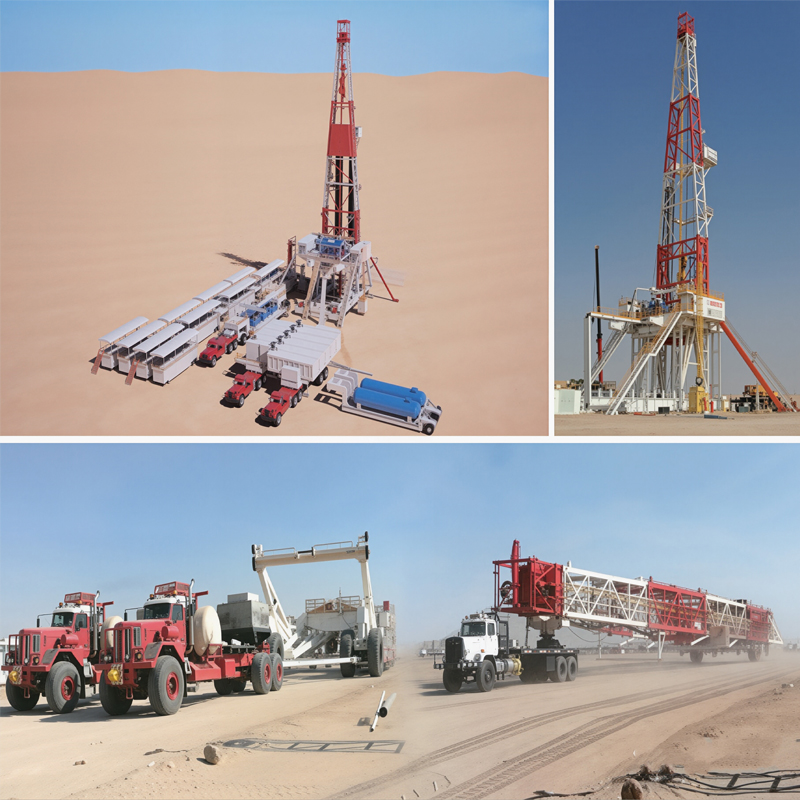
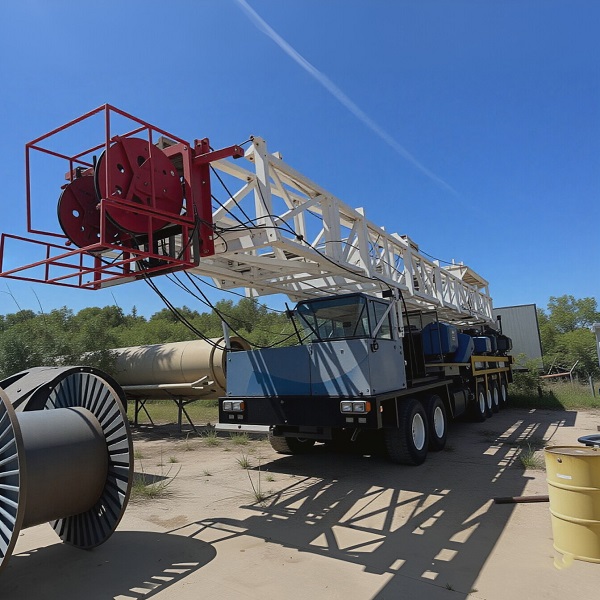
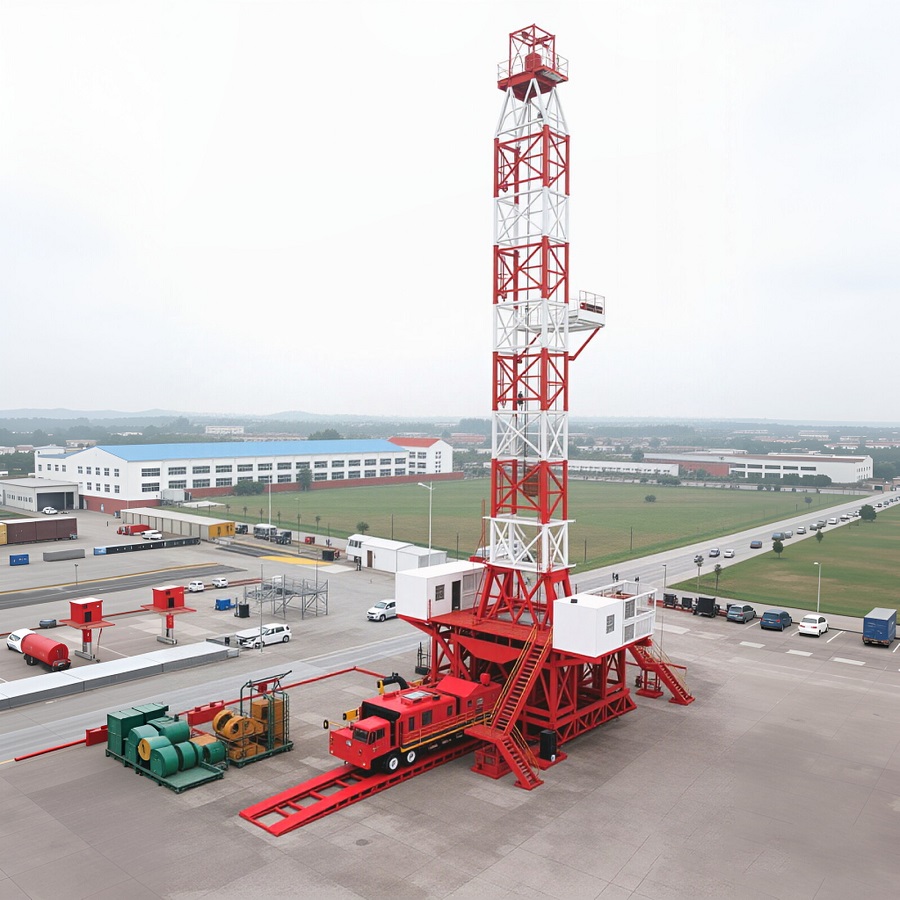
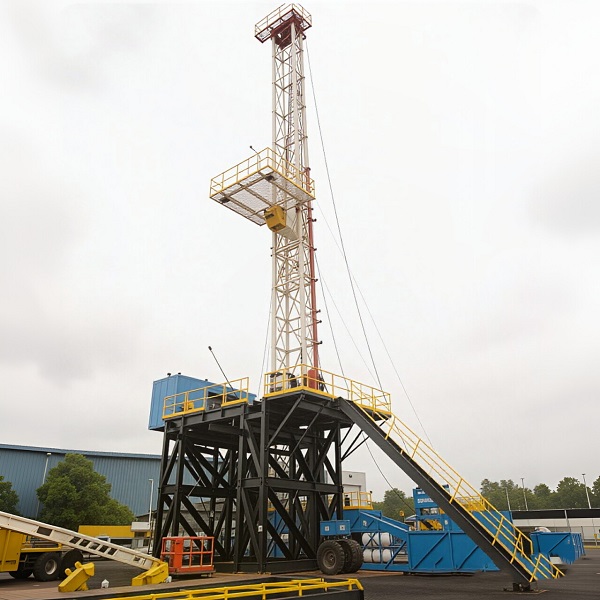
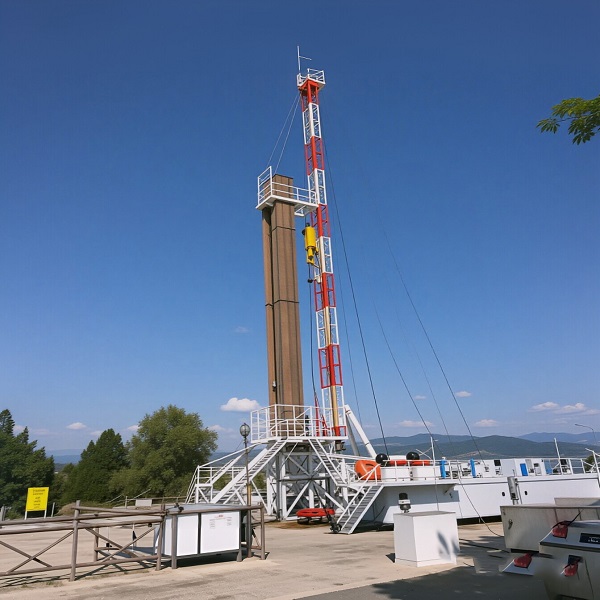
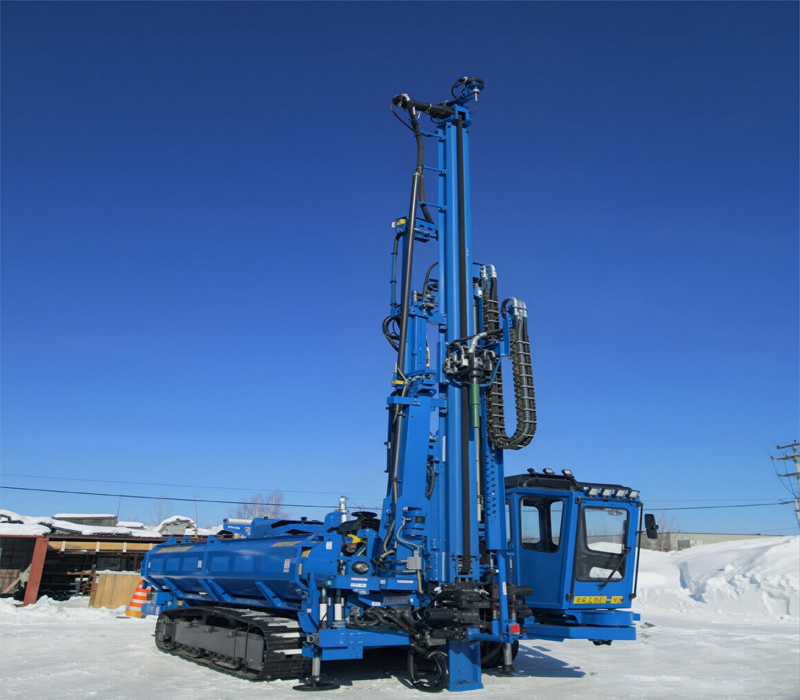
Desert environments are among the harshest places to operate drilling equipment. A standard rig will struggle in these conditions. Here are the key challenges we design for:
Extreme High Temperatures
Desert temperatures can exceed 50°C (122°F) in the shade, and equipment surfaces get even hotter. Standard cooling systems will overheat. Engines, hydraulic systems, and electrical components all need upgraded cooling to handle continuous high-temperature operation.
Blowing Sand & Dust
Sand and dust storms are common in desert oilfields. Sand gets into everything: engine air intakes, hydraulic systems, electrical enclosures, and moving components. Without proper dust protection, equipment wear accelerates dramatically.
Remote Locations
Desert oilfields are often far from cities and supply bases. Spare parts delivery takes longer, and maintenance crews are further away. Equipment must be reliable and easy to maintain on location.
Water Scarcity
Water is scarce in the desert. Drilling fluid systems and cooling systems need to be efficient with water usage. Some desert operations use air drilling or other water-conserving methods.
Harsh Sunlight & UV Exposure
Intense sunlight and UV radiation degrade rubber seals, hoses, paint, and electrical insulation over time. Materials and components need to be rated for long-term UV exposure.
Variable Ground Conditions
Desert terrain can be soft sand, hard rock, or salt flats. The rig's substructure and mobility system must handle these variable ground conditions, including soft sand where heavy equipment can sink.