
1. Depth Capacity / Hook Load
Depth capacity is the biggest single price driver. A 1500m shallow rig costs a fraction of a 9000m ultra-deep rig. The mast, substructure, drawworks and everything else scale with hook load and depth rating.
Drilling rig pricing varies widely based on depth capacity, drive type, mounting style and configuration. This guide explains what drives the cost of a drilling rig, typical price ranges by depth class, and how to optimize your budget without compromising reliability.
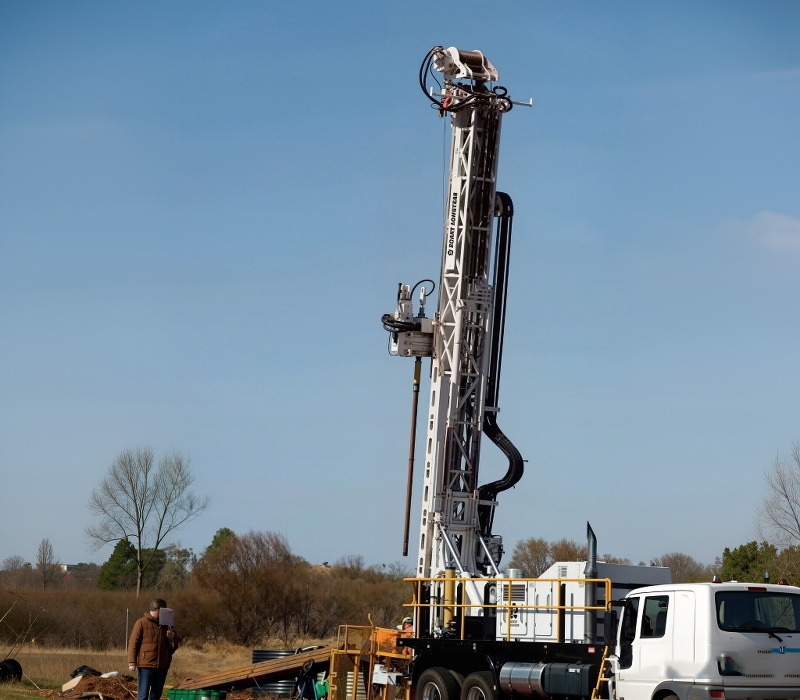
Before you request a quote, it helps to understand which configuration choices move the price up or down.
Depth capacity is the biggest single price driver. A 1500m shallow rig costs a fraction of a 9000m ultra-deep rig. The mast, substructure, drawworks and everything else scale with hook load and depth rating.
Mechanical drive (diesel + chain) is the most economical upfront. DC electric drive adds cost. AC VFD electric drive offers the best control and automation but is the highest-cost option. The drive system is a major price component.
Truck-mounted rigs include the chassis cost. Trailer-mounted rigs are less expensive. Skid-mounted rigs are the most economical for permanent or semi-permanent installations. Mounting choice has a significant impact on total price.
Manual or basic semi-automatic control is standard. Automated pipe handling, automated drilling controls, and driller's cabin with advanced instrumentation add to the price. Higher automation reduces rig crew size but costs more upfront.
Buying a complete package (rig + mud pumps + solids control + top drive + auxiliary systems) costs more upfront but is more efficient than piecing together components from different vendors. You also get a single warranty and single point of contact.
Desert packages (high-temperature cooling, dust protection), arctic packages (cold-weather lubricants, heated enclosures), and sour service (NACE MR0175 materials) all add to the base price.
Imported chassis (Volvo, Mercedes, Kenworth) cost more than domestic Chinese chassis. The chassis also needs to meet local road regulations for your country, which can drive specification changes.
Using well-known brand components (Caterpillar engines, Siemens drives, National Oilwell Varco pumps) increases upfront cost but often improves reliability and residual value. We offer both domestic and imported component options.
These are approximate reference ranges for budget planning purposes. Final pricing depends on your exact configuration. Contact us for a firm quote.
| Rig Category | Depth Capacity | Mounting / Drive | Reference Price Range (FOB China) | Typical Application |
|---|---|---|---|---|
| Shallow Exploration Rig | 1500 m | Truck / Mechanical | USD 250,000–400,000 | Shallow oil, exploration, water well |
| Medium-Depth Rig (basic) | 3000 m | Trailer / Mechanical | USD 500,000–800,000 | Medium-depth development wells |
| Medium-Depth Rig (VFD) | 3000–4000 m | Skid / VFD Electric | USD 800,000–1,300,000 | Deep conventional oil and gas |
| Deep Rig | 5000 m | Skid / VFD Electric | USD 1,200,000–2,000,000 | Deep wells, directional drilling |
| Ultra-Deep Rig | 7000 m | Skid / VFD Electric | USD 2,000,000–3,500,000 | Ultra-deep, HPHT wells |
| Super-Deep Rig | 9000 m | Skid / VFD Electric | USD 3,500,000–6,000,000+ | Super-deep, ultra-HPHT wells |
| Workover Rig (40–225 t) | 1500–4500 m | Truck / Mechanical | USD 150,000–500,000 | Workover, completion, well servicing |
| Complete Rig Package (with mud system) | 3000–5000 m class | Skid / VFD + auxiliary | USD 1,500,000–3,000,000+ | Full drilling operation ready to work |
Note: All prices are FOB China reference ranges for budget planning only. Actual pricing varies based on configuration, drive type, mounting, automation level, optional packages and order quantity. Shipping, insurance, taxes and import duties are not included.
You don't need to buy more machine than your operation requires. Here are practical ways to control cost without compromising reliability.
Don't over-specify. If your typical well only goes to 3000m, don't buy a 5000m rig (and pay double) for "future" projects you may never drill. Buy for your current program, and upgrade later if needed.
Mechanical rigs are cheaper upfront and easier to maintain in remote locations. VFD rigs are more expensive but offer better control and lower operating cost. Choose based on your crew's expertise and your operating model.
Buying a complete rig package from one supplier costs less than piecing together rig, mud pumps and solids control from different vendors. Everything is matched, integrated, and covered by one warranty.
Refurbished drilling rigs offer 50–70% of the new rig price, with a warranty on rebuilt components. This is a good option for budget-constrained projects or pilot operations.
If you need multiple rigs for a field development program, ordering together reduces engineering overhead, production setup time and shipping cost. Bulk orders qualify for volume pricing.
A cheaper rig with higher fuel consumption, more frequent maintenance and shorter service life can cost more over 10 years than a slightly more expensive, reliable rig. Factor in operating costs when comparing prices.
We believe in transparent pricing. Here is how we work with you to get an accurate quote:
Send us your well program, target depth, formation type, mounting preference, drive type, and any special environment requirements. The more details you provide, the more accurate the quote.
Our engineering team reviews your requirements and recommends the right depth rating, drive type and configuration. If you don't need all the options you asked for, we will tell you —we don't sell you more rig than you need.
You receive a detailed quote with: model specifications, configuration list, optional items, FOB price, estimated lead time, and payment terms. No hidden fees.
Once you confirm the configuration and price, we begin engineering and production. You receive regular progress updates throughout the build.
The biggest factor is depth capacity / hook load. A 1500m shallow rig costs a fraction of a 9000m ultra-deep rig. Additional major factors are drive type (mechanical vs VFD) and mounting type (truck vs trailer vs skid). Automation level and special environment packages also move the price significantly. The reference ranges on this page show how price scales across categories.
It depends on your operating model. VFD rigs have higher upfront cost but offer better drilling control, higher efficiency, lower maintenance and reduced fuel consumption. If you run your rig 150+ days per year on deep or complex wells, the VFD payback period is reasonable. If you run shallow, simple wells intermittently, a mechanical rig may be more economical overall.
Our standard terms are typically 30% advance payment with the purchase order, and 70% balance before shipment. For long-term customers or large orders, we can discuss other arrangements. All pricing is in USD, and we accept T/T (bank wire) as standard payment method.
No. Our quotes are FOB China port, with a clear list of what is included (rig, standard accessories, documentation, FAT). Shipping, insurance, import duties, taxes and inland transport to your location are not included —we can help you estimate these separately. We also offer CIF pricing to your destination port on request.
We focus on delivering value, not just the lowest sticker price. If you receive a lower quote, send it to us —we will review the configuration side by side. Sometimes the lower price is for lower depth rating, fewer standard features, or lower-quality components. We will be transparent about the differences and work with you to find the best option for your budget and requirements.
Tell us what you need, and we will send you a detailed, transparent quotation within 48 hours. No hidden fees, no pressure.