Live Well Intervention | Hydraulic Workover | BOP Stack

Snubbing Unit for Well Control & Live Well Intervention

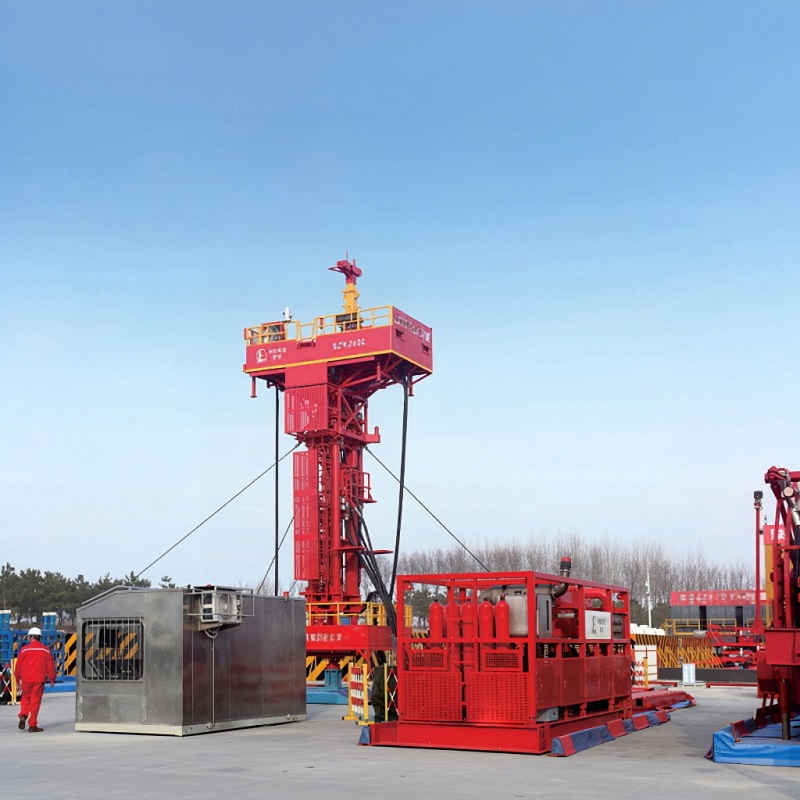
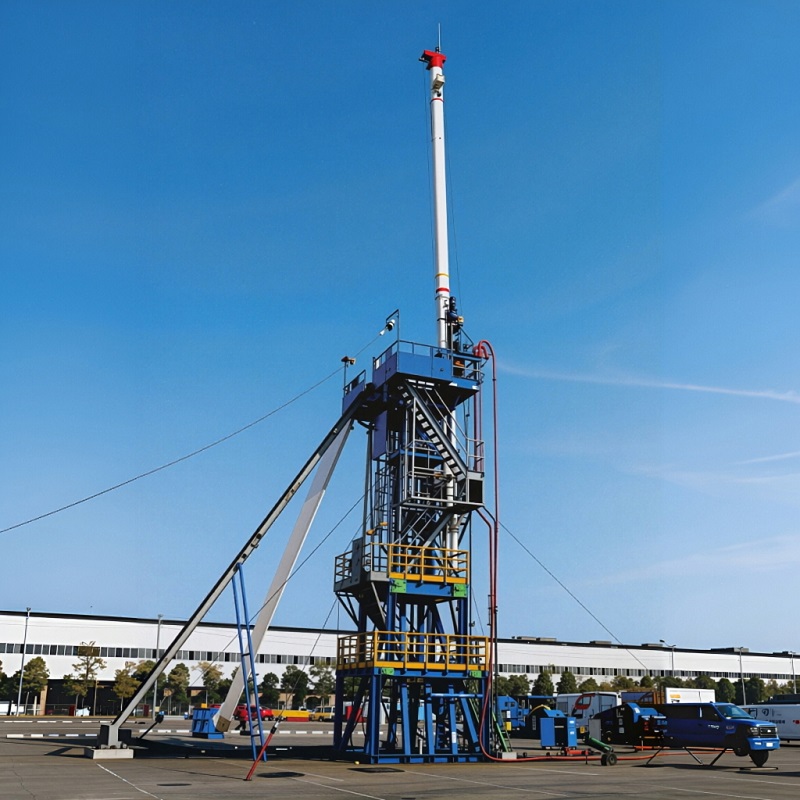
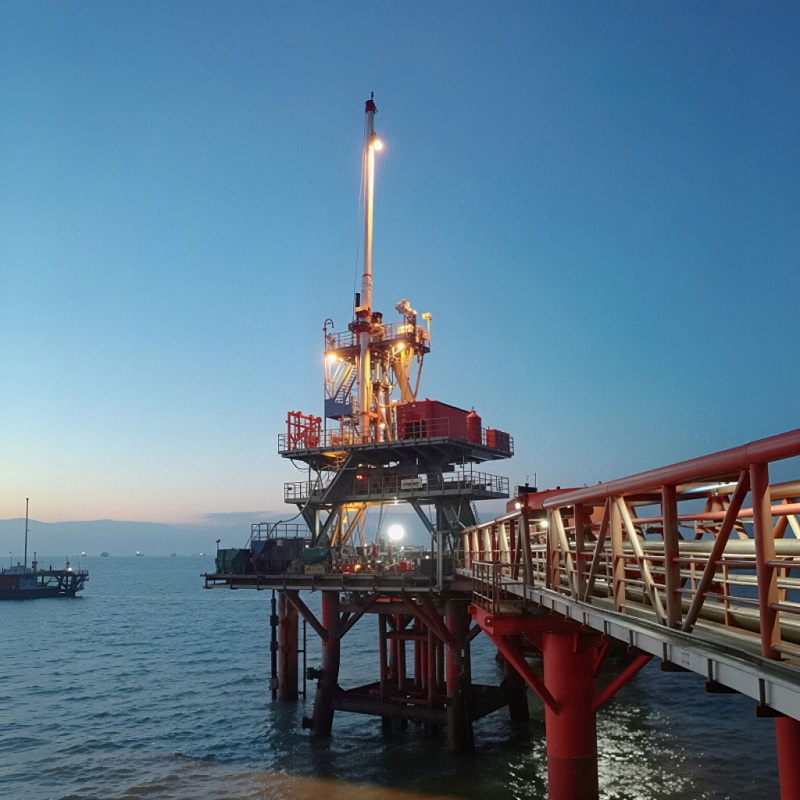
A snubbing unit (also called a hydraulic workover unit) is a well intervention system that can run or pull pipe on a live (pressurized) well. Unlike a conventional workover rig that requires killing the well, a snubbing unit works against well pressure using its own BOP stack and hydraulic jack system.

Snubbing unit for live well intervention

How Does a Snubbing Unit Work?

A snubbing unit runs or pulls pipe on a live well using hydraulic force and well control equipment:

Running Pipe (Snubbing In)

  • The pipe is forced into the well against well pressure
  • The hydraulic jack pushes the pipe down
  • The BOP stack seals around the pipe as it moves
  • Well pressure is contained throughout the operation
  • The pipe is landed when it reaches the target depth

Pulling Pipe (Jacking Out)

  • The pipe is pulled out of the well using the hydraulic jack
  • The BOP stack maintains pressure control as pipe moves
  • When pipe weight exceeds well pressure buoyancy, standard pulling applies
  • When well pressure buoyancy exceeds pipe weight, snubbing applies
  • The transition between modes is managed by the snubbing operator

Snubbing Well Control Equipment

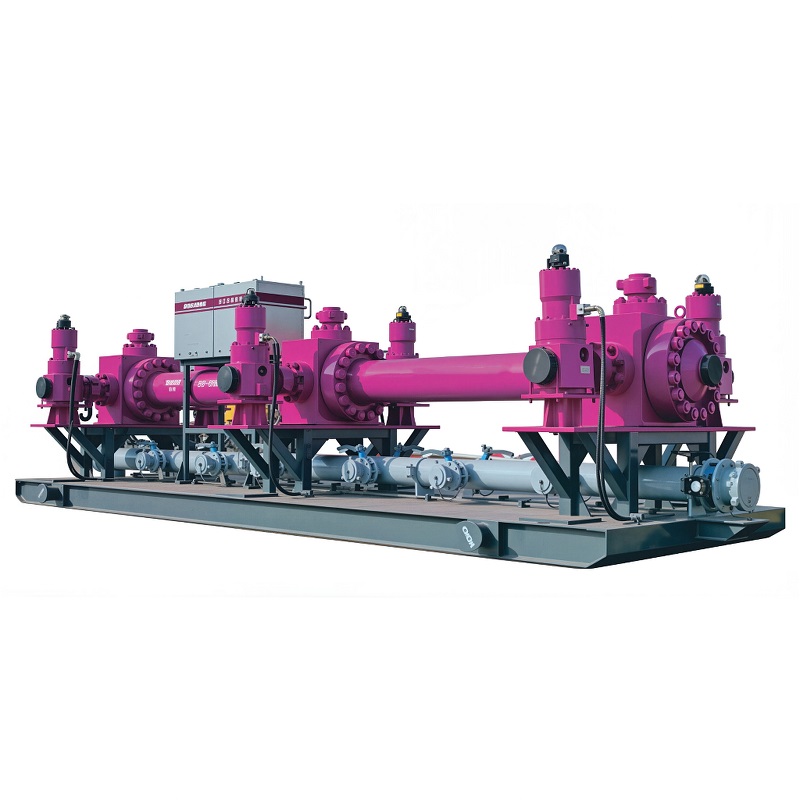
A snubbing unit includes its own integrated well control equipment:

Annular BOP

The annular BOP seals around the pipe as it moves in or out of the well. It can seal around various pipe sizes and also seal off empty (when no pipe is in the hole). The annular BOP is the primary sealing element during snubbing operations. It is hydraulically operated and can be adjusted for different pipe sizes.

Pipe Rams

Pipe rams provide additional well control by sealing around a specific pipe size. They are used as backup well control and for securing the well when the pipe is stationary. Pipe rams are typically installed below the annular BOP for redundancy. Different ram sizes are available for different pipe diameters.

Blind Rams

Blind rams seal the well completely when no pipe is in the hole. They provide a backup well control barrier if the annular BOP fails or needs maintenance. Blind rams are typically installed at the bottom of the BOP stack. They should only be used when no pipe is passing through the BOP.

Shear Rams

Shear rams can cut through the pipe in an emergency. They provide the ultimate backup well control —if the well gets out of control, shear rams can cut the pipe and seal the well. Shear rams are the last line of defense against a blowout during snubbing operations.

Snubbing vs Conventional Workover Rig

Factor Snubbing Unit Conventional Workover Rig
Well condition Live well (pressurized) Killed well (depressurized)
Kill well required No —works against pressure Yes —must kill the well first
Productivity impact Minimal —well keeps producing Significant —well is shut in
Complexity More complex (BOP + hydraulic jack) Simpler (just hoisting equipment)
Cost Higher day rate Lower day rate
Best for High-pressure wells, gas wells, wells that can't be killed Low-pressure wells, wells that can be safely killed

Applications of Snubbing Units

Well Workover

Snubbing units are used for workover operations on live wells. This includes pulling and running tubing, changing downhole pumps, replacing packers, and other workover tasks. The key advantage: the well doesn't need to be killed, so production is not interrupted.

Completion Operations

Snubbing units can run completion equipment on live wells. This is useful for wells that cannot be killed without damaging the formation. Running completion hardware on a live well saves time and avoids formation damage from kill fluid.

Well Abandonment

Snubbing units can pull completion strings from live wells during plug and abandonment (P&A) operations. This is especially important for offshore wells where killing the well may not be feasible or cost-effective. Snubbing allows safe abandonment of live wells.

Stuck Pipe Retrieval

If pipe gets stuck in the well, a snubbing unit can apply hydraulic force to free it. The snubbing unit's hydraulic jack can push or pull with controlled force to retrieve stuck pipe. This is often the last resort before more expensive interventions.

Hydraulic Jack System

Snubbing Jack

The hydraulic jack is the primary lifting/pushing mechanism. It consists of hydraulic cylinders that move the pipe up and down. The jack provides both upward pulling force and downward snubbing force. It is powered by a hydraulic power unit. The jack stroke determines how far the pipe moves per cycle.

Traveling Slip

The traveling slip grips the pipe and moves with the hydraulic jack. It holds the pipe weight during upward strokes and pushes during downward strokes. The traveling slip is hydraulically operated and automatically releases at the end of each stroke cycle.

Stationary Slip

The stationary slip holds the pipe in place when the jack is repositioning for the next stroke. It grips the pipe and holds it stationary while the traveling slip moves back to its starting position. The stationary slip provides a secure anchor between stroke cycles.

Frequently Asked Questions About Snubbing Units

What is the difference between a snubbing unit and a coiled tubing unit?

A snubbing unit uses jointed pipe (straight pipe sections that are screwed together). A coiled tubing unit uses continuous flexible pipe on a reel. Snubbing units can handle heavier pipe and deeper wells. Coiled tubing units are faster and more flexible. Snubbing is typically used for pulling and running tubing strings. Coiled tubing is used for cleanout, stimulation, and logging. Both can work on live wells with their own BOP stacks.

What well pressure can a snubbing unit handle?

The pressure rating depends on the BOP stack and the snubbing unit design. Typical snubbing units handle well pressures up to 70 MPa (10,000 psi). Heavy-duty snubbing units can handle pressures up to 105 MPa (15,000 psi) or more. The pressure rating is determined by the BOP stack and the sealing capability of the annular BOP and pipe rams.

What is the maximum pipe size a snubbing unit can handle?

The pipe size range depends on the snubbing unit model. Light snubbing units typically handle 1" - 2-3/8" pipe. Standard units handle 2-3/8" - 4-1/2" pipe. Heavy-duty units handle 4-1/2" - 7" pipe or larger. The BOP stack must be sized to match the pipe diameter. Larger pipe requires larger BOPs and more force from the hydraulic jack.

Why use a snubbing unit instead of killing the well?

Killing the well requires pumping heavy kill fluid into the well. This can cause formation damage, especially in sensitive formations. It also means the well stops producing during the workover. A snubbing unit allows workover on a live well —the well keeps producing, and no kill fluid is needed. This saves time, avoids formation damage, and maintains production. For gas wells and high-pressure wells, killing may not be feasible at all.

What is the cost of a snubbing unit?

The cost depends on size and configuration. A light snubbing unit may start from USD 200,000-500,000. A standard unit typically costs USD 500,000-1,000,000. A heavy-duty unit can cost USD 1.5-3 million or more. The rental cost for a snubbing unit is typically USD 10,000-25,000 per day, depending on size and location. This includes the unit, crew, and support equipment.

Need a Snubbing Unit for Well Control?

Tell us your well pressure, pipe size and typical applications. Our engineering team will recommend the optimal snubbing unit configuration and provide a detailed quotation within 48 hours.