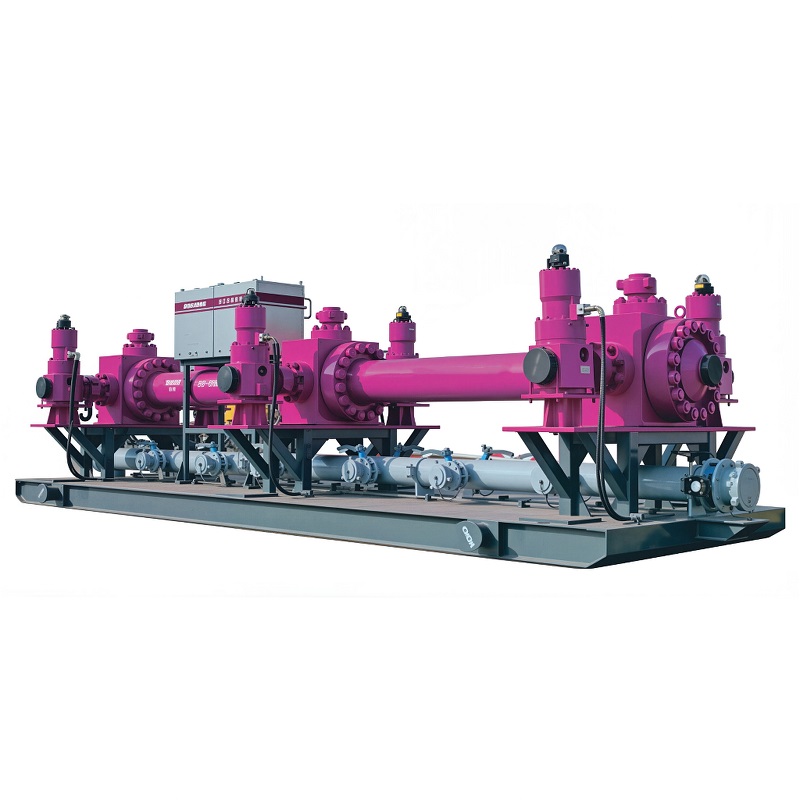
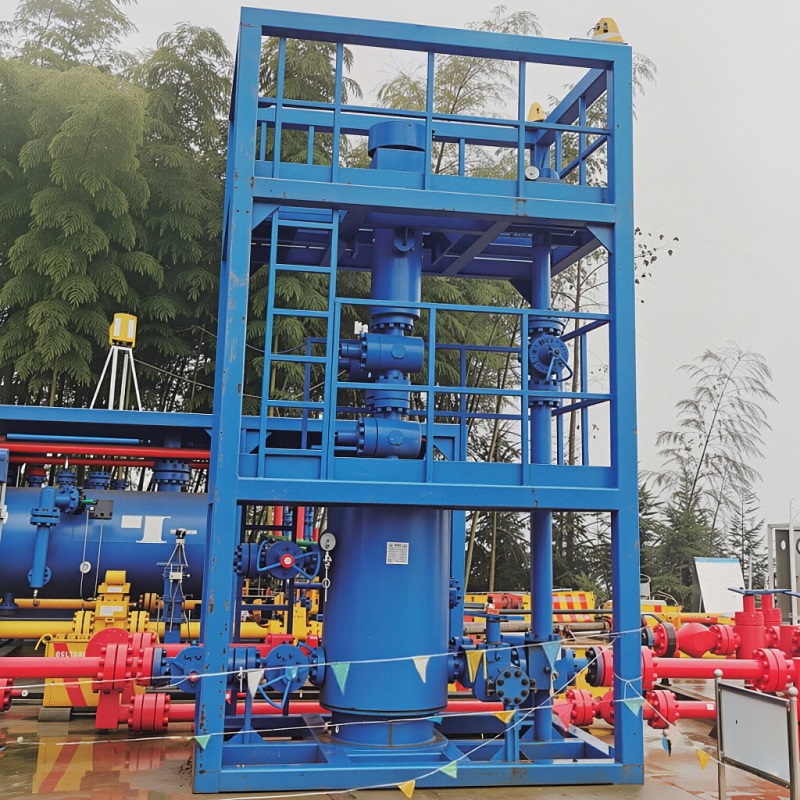
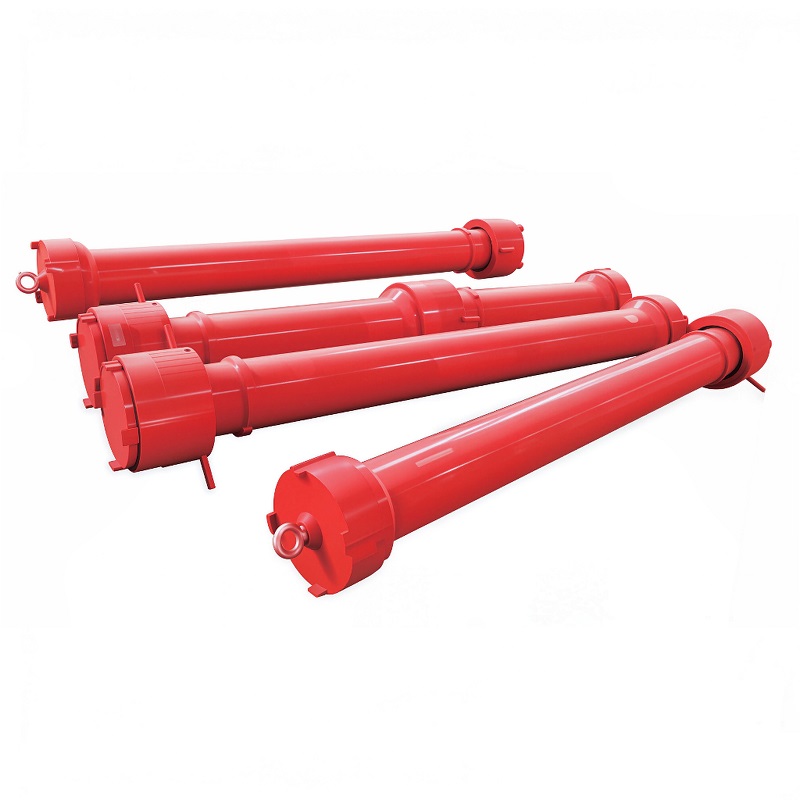
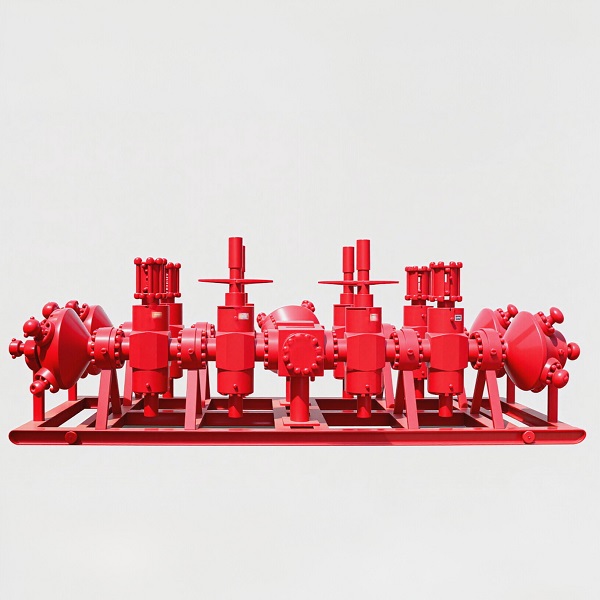
What's the difference between a BOP and a wellhead valve?
A BOP (blowout preventer) is temporary well control equipment installed during drilling and workover —it can close and seal the well in an emergency. A wellhead valve is permanent (or semi-permanent) equipment on the wellhead used for routine operations and pressure monitoring. BOPs are designed for emergency well sealing; wellhead valves are for day-to-day flow control.
Do I need both annular BOP and ram BOPs?
For most serious well control applications, yes. The annular BOP provides the primary sealing element that works with any pipe shape. Ram BOPs provide additional sealing for specific pipe sizes and emergency blind/shear sealing. A typical BOP stack includes both annular and ram BOPs for comprehensive well control capability.
What pressure rating BOP do I need for my well?
The BOP pressure rating must be at least equal to the maximum anticipated formation pressure. For most onshore wells, 70 MPa (10,000 psi) is sufficient. For deep, high-pressure wells, you may need 105 MPa (15,000 psi). Always size the BOP to the well's maximum potential pressure —not just the current reservoir pressure.
Do your BOPs meet API standards?
Yes. All our BOPs are designed and manufactured to API 16A specifications. We provide complete documentation: material test reports, API monogram certification, and a complete BOP test report. Third-party inspection (SGS, BV, etc.) can be arranged on request.
How often should BOPs be tested?
BOP testing frequency is regulated by industry standards and local regulations. Typically, BOPs are function-tested before each well operation, and pressure-tested periodically (often weekly or after significant maintenance). We recommend following your company's BOP maintenance program and applicable regulatory requirements.