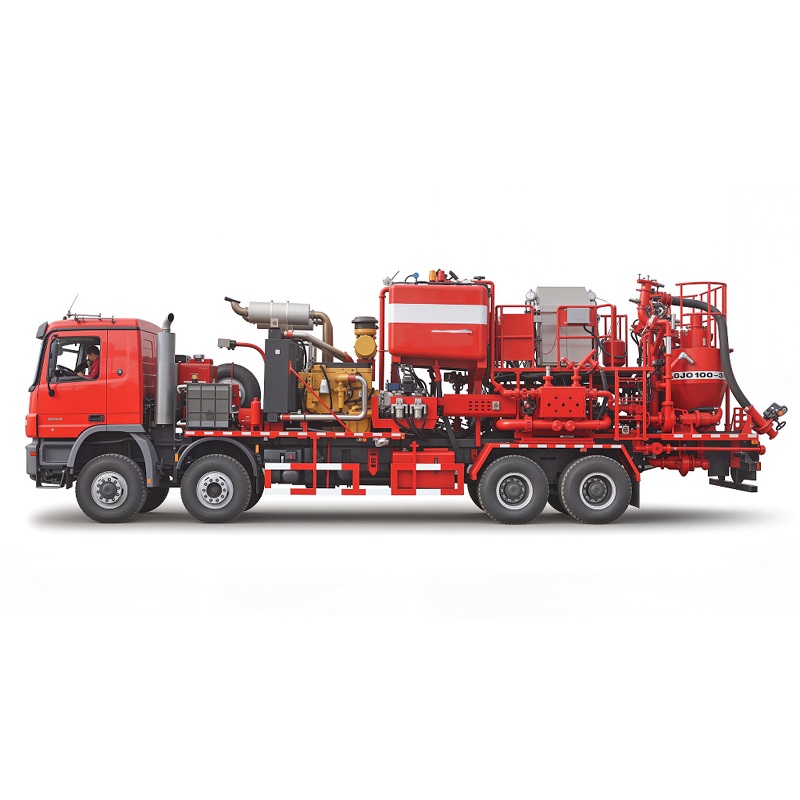
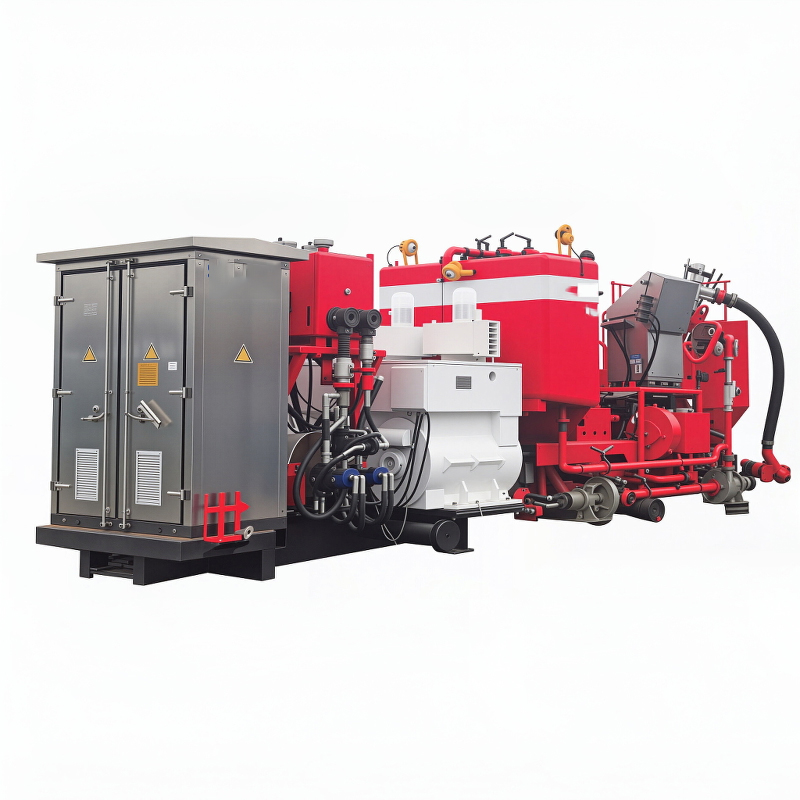
Abrasive Cement Slurry
Cement slurry is highly abrasive. Standard valves and fittings erode quickly when pumping cement. Cementing-grade components have special hard-faced trim and erosion-resistant material selection.
Cementing operations involve pumping highly abrasive cement slurry at high pressure. The fluid control equipment in a cementing system must handle both extreme pressure and abrasive wear —gate valves, manifolds, check valves and high pressure lines all see significant erosion over time. We supply cementing-grade fluid control products built for this demanding service.
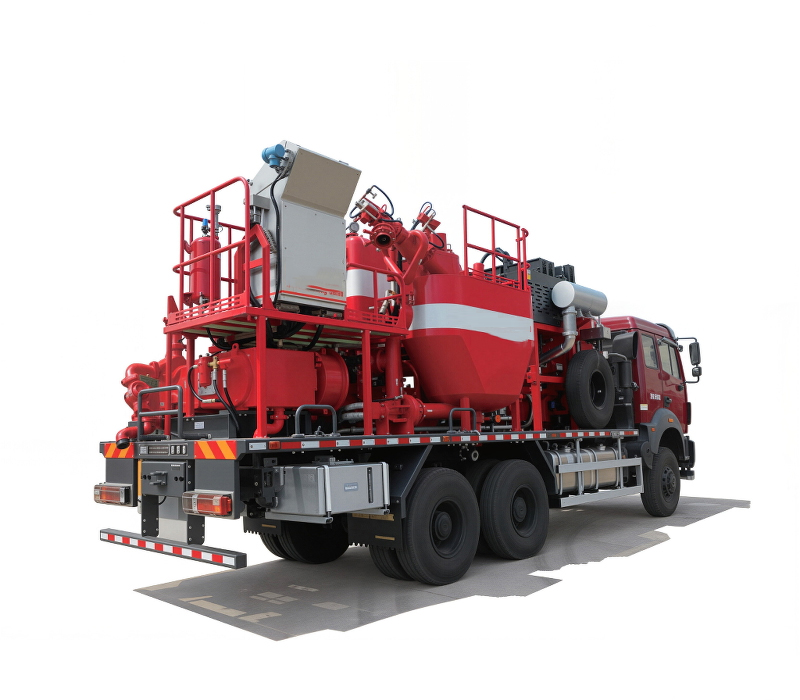
Cementing isn't just pumping fluid —it's pumping abrasive slurry at high pressure. Standard fluid control equipment won't hold up.
Cement slurry is highly abrasive. Standard valves and fittings erode quickly when pumping cement. Cementing-grade components have special hard-faced trim and erosion-resistant material selection.
Cementing jobs involve pumping at high pressure —often 35 MPa to 70 MPa or more. Every component in the cementing circuit must be rated for these pressures and tested to ensure integrity.
Cementing is one of the most critical well integrity operations. A failure in the cementing fluid control system —a leaking valve, a burst line —can compromise the entire cement job. Reliability is essential.
Cementing jobs are batch operations —you pump a specific volume at a specific rate and pressure. Flow control equipment must handle accurate rate control and pressure monitoring throughout the job.
Our cementing-grade fluid control range is designed specifically for cement slurry service.
Multi-pump cementing manifolds that combine flow from multiple cementing units into a single line to the well. Designed for high pressure, high flow, and abrasive cement slurry service. Includes gate valves, pressure gauges, and outlet connections.
Cementing-grade gate valves with hard-faced, erosion-resistant trim. Designed for frequent operation in abrasive service. Available in various sizes and pressure ratings (70 MPa standard, 105 MPa available).
Plunger-type check valves installed in the cementing line to prevent backflow. Critical for preventing cement from flowing back into the pump after the job. Cementing-grade design with wear-resistant seats.
High pressure flexible hoses and hard piping for cementing lines. Rated to 70 MPa or higher. Cementing-grade end fittings. Designed for repeated pressure cycling in abrasive service.
Cementing head for dropping cement plugs (bottom plug and top plug). Manifold and valve arrangement for proper cement displacement sequence. Essential primary cementing equipment.
Cementing pressure gauges and test connections. Accurate pressure monitoring throughout the cement job. Snubber-protected gauges for cementing service.
Here's how fluid control equipment fits into a typical cementing spread.
| Component | Location | Function |
|---|---|---|
| Cementing Pump(s) | Truck / skid mounted | Provides high pressure, high flow pumping |
| Suction Line Valves | Pump suction side | Isolate pump from suction tank for maintenance |
| Discharge Check Valves | Pump discharge side | Prevent backflow into pump when not pumping |
| Cementing Manifold | Between pumps and well | Combines flow from multiple pumps, allows isolation |
| Surface Line / Hose | Manifold to wellhead | Transports cement slurry to the wellhead |
| Cement Head / Casing Head | Wellhead | Connects surface line to casing, holds cement plugs |
Cementing fluid control equipment wears faster than standard oilfield equipment. Here's what to expect.
Gate valve seats and wedges see significant erosion from cement slurry. Inspect valves regularly. Rebuild kits (seats, wedges, seals) are available for most common valve models. Hard-faced trim extends service life significantly.
Check valve plungers and seats are wear items. Inspect regularly. Replace when flow begins to backflow. Always carry spares on location —a failed check valve can ruin a cement job.
High pressure hoses wear from the inside out. Inspect for bulges, blistering, or leakage. Rotate hoses regularly to distribute wear. Replace before failure —a burst cementing line is dangerous and costly.
Always flush the entire cementing circuit with water after every job. Cement that sets inside valves, lines, or pumps ruins the equipment. Proper flushing is the single most important maintenance step.
Explore our full cementing equipment range:
Regular oilfield valves are designed for relatively clean fluids (crude oil, water, gas). Cement slurry is highly abrasive —it contains cement particles that erode valve trim, seats, and internals quickly. Cementing-grade valves have hard-faced (tungsten carbide coated) trim and special seat designs that withstand abrasive slurry. A regular valve will erode quickly in cementing service and may fail unexpectedly.
Most primary cementing operations use 70 MPa (10,000 psi) rated equipment. For deep wells or high-pressure cementing jobs, you may need 105 MPa (15,000 psi) rated equipment. Always size the equipment to the maximum expected surface pressure during the job, with appropriate safety margin.
It depends on how much cement you pump and the slurry properties. Inspect check valve seats and plungers regularly (before each job if possible). Replace when you see wear, or when backflow becomes noticeable. Always carry spare check valves on location —a failed check valve can cause cement to set in the pump, which is a very expensive problem.
We supply both individual valves and complete cementing manifolds. A complete manifold includes: frame, valves, gauges, connections, and piping. We can build a manifold to match your specific pump arrangement and flow requirements. Tell us how many pumps you have and your flow requirements, and we will design the right manifold.
Flushing. Always flush the entire cementing circuit (pumps, lines, manifold, valves) with clean water immediately after every cement job. Cement that sets inside equipment is very difficult to remove and can ruin valves, pumps, and lines. Proper flushing is the single most important thing you can do to extend the life of your cementing equipment.
Tell us your cementing system configuration, pressure rating, and pump setup. Our engineers will help you choose the right valves, manifold and lines for your cementing operation.