Proppant-Laden Fluid
Fracturing fluid carries sand or ceramic proppant at high concentration. This is one of the most abrasive fluid services in the oilfield —every valve, elbow, and fitting in the flow path sees severe erosion.
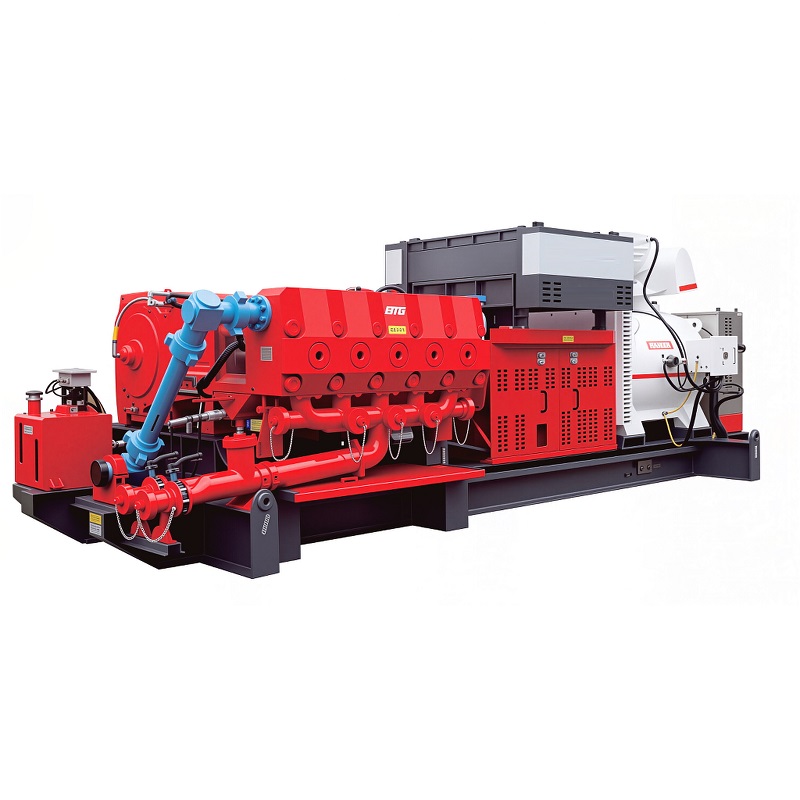
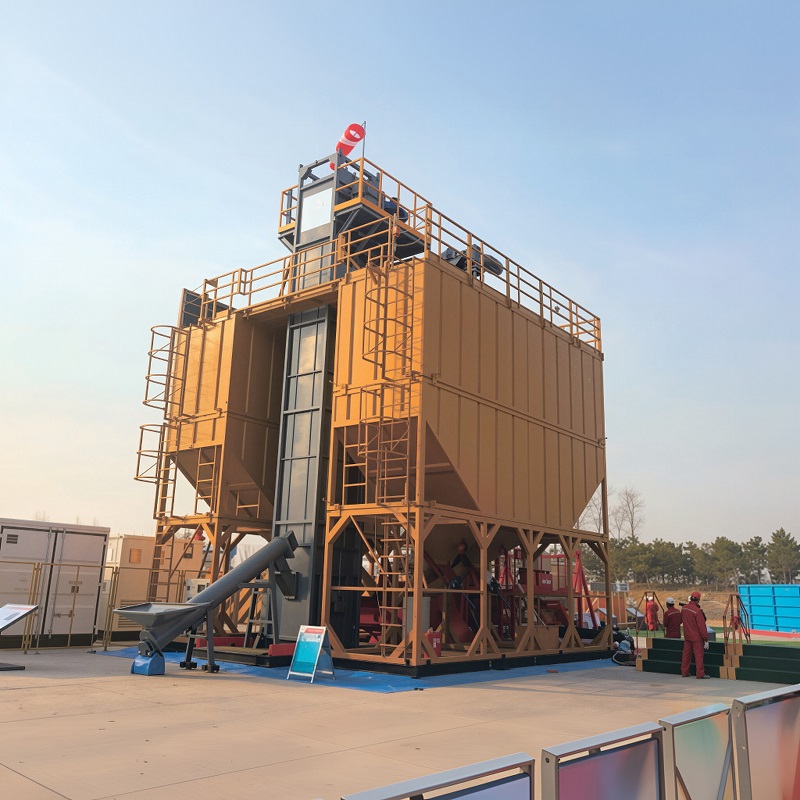
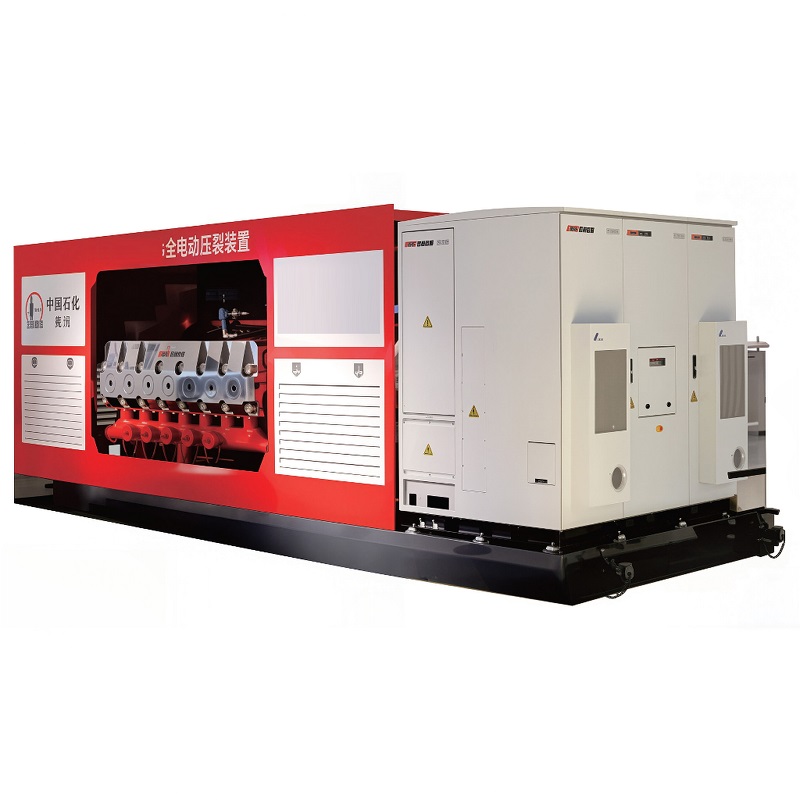
Hydraulic fracturing is one of the most demanding applications for high pressure fluid control equipment. Frac pumps push proppant-laden fluid at extreme pressure and flow rate through the frac manifold and surface lines. Every component —valves, manifold, missile, swivel joints —must withstand severe abrasion and pressure cycling. We supply fracturing-grade fluid control products built for this extreme service.
Fracturing pushes fluid control equipment to its limits. Here's why.
Fracturing fluid carries sand or ceramic proppant at high concentration. This is one of the most abrasive fluid services in the oilfield —every valve, elbow, and fitting in the flow path sees severe erosion.
Modern fracturing operations pump at 70–105 MPa (10,000–15,000 psi) and flow rates of 10–100+ barrels per minute. Multiple frac pump trucks feed a single well through the frac manifold. High pressure, high flow, combined.
A single frac stage can take hours. A multi-stage well takes days. The fluid control equipment is under continuous high pressure, high abrasion service for the entire job.
A failure in the high pressure frac circuit —a burst line, a failed valve —is extremely dangerous. Frac spreads have strict safety protocols and require the highest quality fluid control equipment.
Our fracturing-grade fluid control range is built specifically for proppant-laden, high-pressure service.
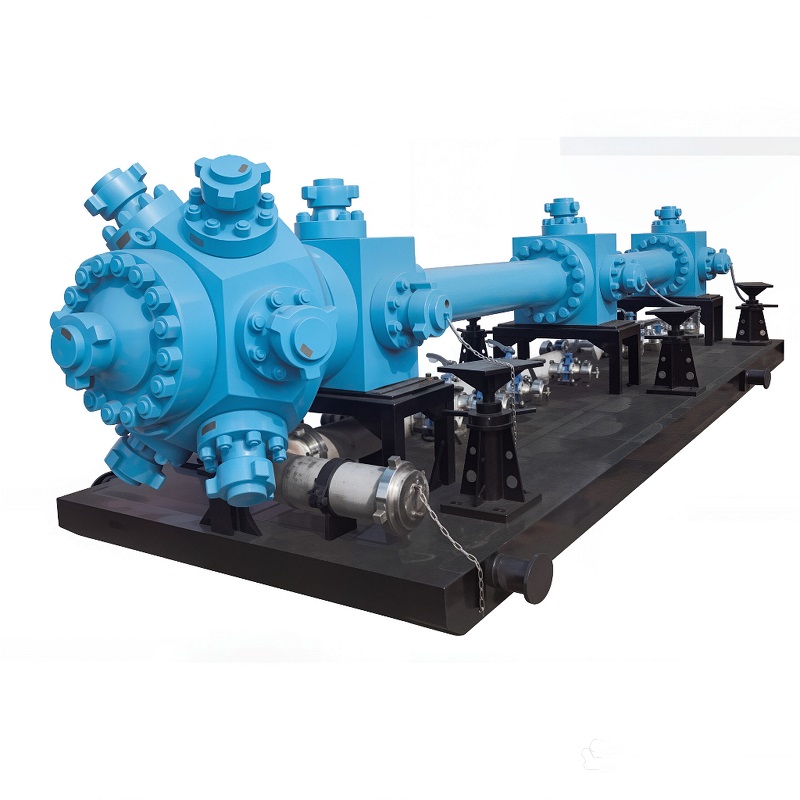
The central manifold that combines flow from multiple frac pump trucks into the wellhead. Includes high pressure plug valves, outlet connections, and pressure monitoring. Available in various configurations (2-inlet, 4-inlet, 6-inlet, etc.).
A large-bore high pressure manifold ("missile") that distributes flow from multiple pumps to multiple wells (for zipper frac operations). Heavy-duty design for continuous high-rate, high-pressure service.
Frac-grade plug valves with erosion-resistant trim. Used on the frac manifold for isolating pump trucks and wells. Quick operation, reliable sealing under extreme service. Various sizes and pressure ratings.
High pressure swivel joints for flexible connection between frac pumps and the manifold. Allow movement and alignment while maintaining high pressure sealing. Frac-grade design with replaceable seal cartridges.
Hard piping and flexible hoses for the high pressure frac circuit. Rated to 105 MPa. Wear-resistant lining. Frac-grade end connections. Tested and certified for fracturing service.
Frac pressure gauges and electronic pressure recorders. Accurate pressure monitoring throughout the job. Snubber-protected for pulsation. Data recording for post-job analysis.
Here's how fluid control equipment fits into a typical hydraulic fracturing spread.
| Component | Location | Function |
|---|---|---|
| Frac Pump Trucks | Truck mounted, lined up | Provide high pressure, high flow pumping |
| Suction Side | Blender to pumps | Low pressure, high flow suction lines from blender |
| Discharge Swivel Joints | Pump discharge | Flexible connection from pump to manifold |
| Frac Manifold | Between pumps and wellhead | Combines flow from all pumps, allows isolation |
| High Pressure Lines | Manifold to wellhead | Transports proppant-laden fluid to the well |
| Wellhead / Frac Tree | Wellhead | Contains well pressure, directs fluid downhole |
Fracturing fluid control equipment is a wear item. Here's what to expect.
Plug valves, elbows, and tees see the most wear from proppant. Inspect regularly. Replace when wall thickness reduces or when operation becomes stiff. Frac-grade valves have longer service life but still need periodic replacement.
Swivel joint seals wear from repeated rotation and proppant intrusion. Inspect and replace seals regularly. Always carry spare seal cartridges on location for quick replacement between stages.
Hard piping wears from the inside out —especially at elbows and bends. Rotate lines periodically to distribute wear. Replace when wall thickness reaches minimum. Flexible hoses wear even faster —inspect before every stage.
Pressure test the entire frac circuit before every job. Test to rated pressure (or per your company's procedures). This catches weak components before they fail under live fracturing pressure.
Explore our full fracturing equipment range:
Frac valves (usually plug valves) are designed specifically for proppant-laden fluid service. They have: (1) erosion-resistant trim —often with tungsten carbide coating; (2) through-conduit design —the plug bore is the same diameter as the line, minimizing turbulence; (3) quick operation —quarter-turn plug design. Regular gate or ball valves would erode quickly in proppant service and may seize or fail unexpectedly.
Most modern hydraulic fracturing operations use 105 MPa (15,000 psi) rated equipment. Some older or lower-pressure operations use 70 MPa (10,000 psi). Always size the equipment to the maximum surface pressure you expect during the job, plus appropriate safety margin. The manifold rating should match or exceed the pump discharge rating.
It depends on proppant concentration, flow rate, and hours of operation. In typical shale fracturing service, frac plug valves may last for several stages or a few wells before needing replacement. Hard-faced, erosion-resistant trim extends service life significantly. Always inspect valves before each job and replace when you see wear or when operation becomes stiff.
We supply both individual valves and complete frac manifolds. A complete manifold includes: frame, valves, outlet connections, pressure gauges, and piping. We can build a manifold to match your specific pump count, flow requirements, and pressure rating. Tell us your frac spread configuration, and we will design the right manifold.
Three key things: (1) Pressure test the entire circuit before every job —catches weak components before live pressure. (2) Inspect all valves, lines, and swivel joints before each stage —wear progresses fast. (3) Barricade the high pressure area —stored energy at 10,000+ psi is enormous. Never stand in the line of fire between the manifold and the wellhead when pumping.
Tell us your frac spread configuration, pressure rating, and pump setup. Our engineers will help you choose the right manifold, valves and lines for your fracturing operation.