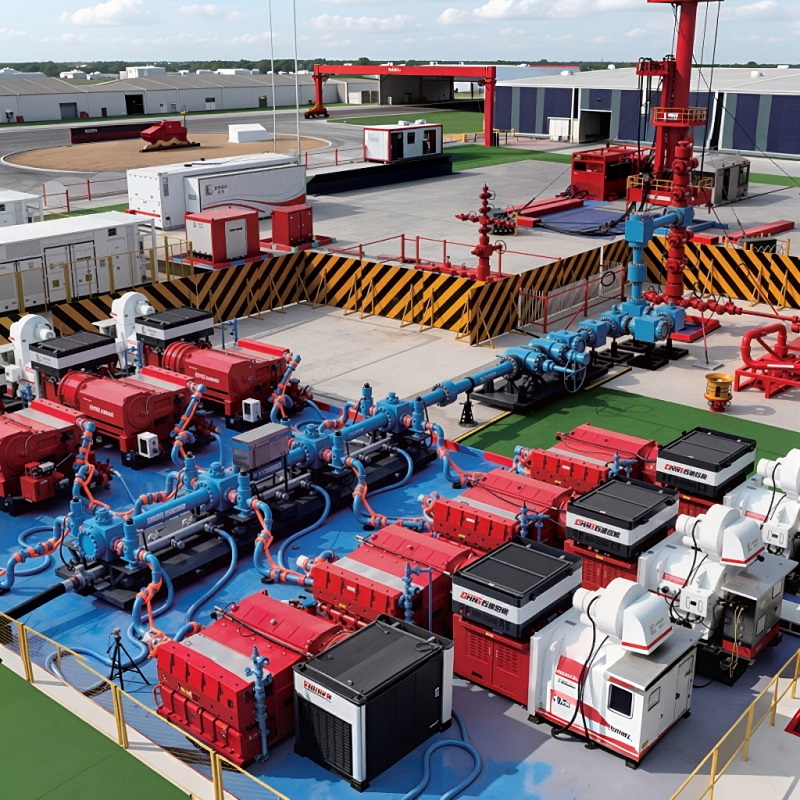
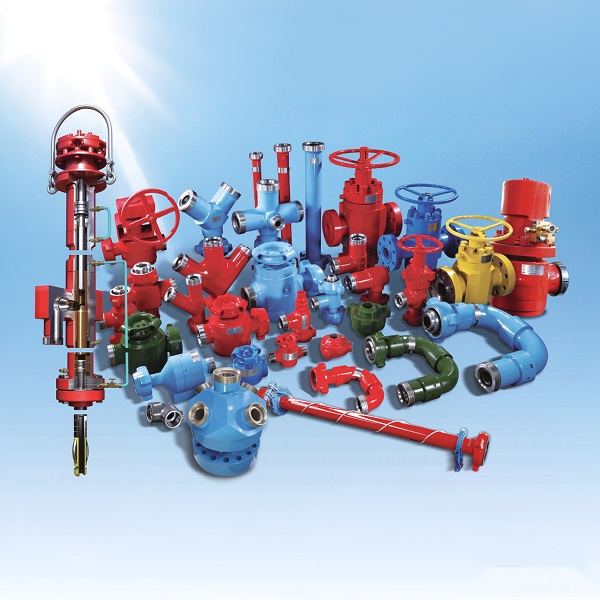
Verify Equipment Integrity
Pressure testing reveals hidden defects: cracks, bad seals, weak joints, casting flaws. Before putting a wellhead, valve, or manifold into service, pressure testing proves it will hold pressure safely.
Pressure testing is a critical step to verify the integrity of wellheads, pipelines, valves and pressure equipment before service. We supply high pressure test pumps, test manifolds, precision gauges, and all the fittings needed for safe, accurate hydrostatic and pneumatic pressure testing.
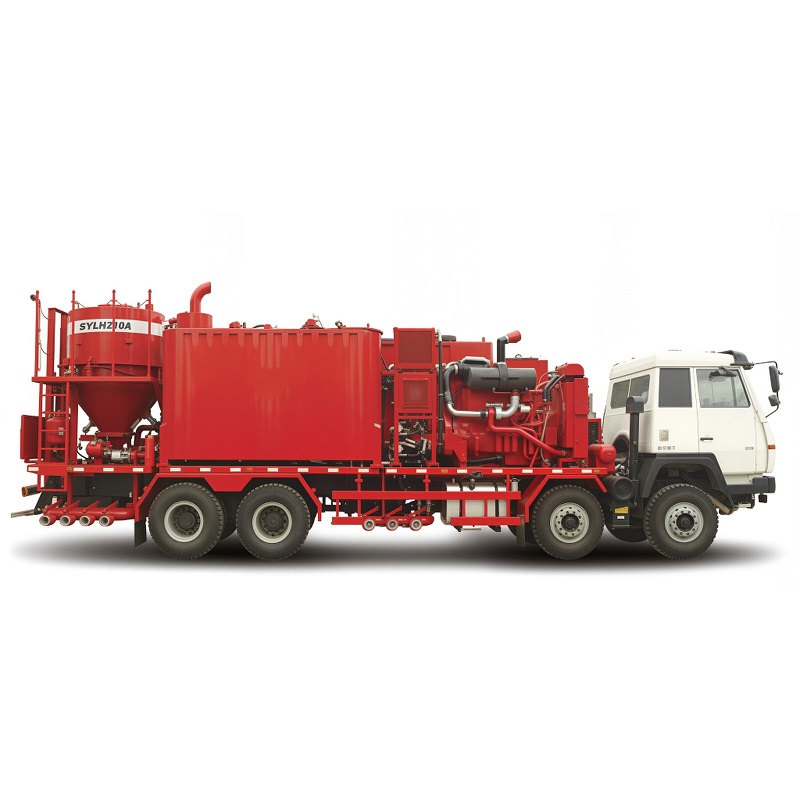
Pressure testing verifies that equipment can safely contain the pressures it will encounter in service.
Pressure testing reveals hidden defects: cracks, bad seals, weak joints, casting flaws. Before putting a wellhead, valve, or manifold into service, pressure testing proves it will hold pressure safely.
Pressure testing is required by industry standards and regulations. Wellheads, BOPs, and pressure vessels must be pressure tested before installation and periodically during service. Certification records are kept for inspection.
Untested pressure equipment is a safety hazard. A valve or flange that fails under pressure can cause serious injury or equipment damage. Pressure testing is the most important verification step.
A leak that develops in service —especially on a high pressure well —is expensive and dangerous. Pressure testing before installation catches leaks before they become operational problems.
We supply a complete range of high pressure testing equipment and accessories.
Electric and pneumatic high pressure test pumps for hydrostatic testing. Capacities from low volume / high pressure to moderate flow / medium pressure. Used to pressurize test objects to the required test pressure.
Portable test manifolds with valves, pressure gauges, and connection ports. Used to control and monitor pressure during testing. Configured for the pressure range and connection sizes you need.
High accuracy pressure gauges (0.5% or 1.0% full scale accuracy) for pressure monitoring during testing. Multiple ranges available to match your test pressure. Glycerin-filled for vibration resistance.
High pressure test plugs and pipe plugs for isolating sections of pipe or tubing during testing. Available for various pipe sizes and pressure ratings.
Test hoses rated for the test pressure, with appropriate end fittings. Quick-connect fittings for fast setup. All rated and safety-verified for testing service.
Digital pressure recorders and data loggers that record pressure over time during the test. Provides a printed or digital record for certification documentation.
Our pressure testing equipment is used across a wide range of oilfield testing applications.
| Test Type | Test Object | Typical Test Pressure | Test Medium |
|---|---|---|---|
| Wellhead Test | Wellhead & Christmas tree | 1.5 x working pressure | Water / oil |
| BOP Test | Blowout preventer stack | Working pressure (low & high) | Water |
| Valve Test | Gate / ball / check valves | 1.5 x working pressure | Water |
| Pipeline Test | Pipe spools / flow lines | 1.25–1.5 x working pressure | Water |
| Casing Test | Casing / tubing string | Design pressure | Cement / water |
| Manifold Test | Choke / kill / frac manifold | 1.5 x working pressure | Water |
High pressure testing is hazardous. Here are key safety considerations.
Always test within the rated pressure of the weakest component in the test loop. Never use a test pump rated higher than the test object's test pressure, without proper regulation and relief valves.
Every test setup must include a pressure relief valve set below the maximum test pressure. This prevents over-pressurization if the pump control fails.
High pressure stored energy can cause explosive failure. Always barricade the test area. Keep personnel clear of potential failure paths (end caps, flanges, joints).
After the test is complete, always bleed all pressure from the system before disconnecting or opening any component. Never loosen a fitting under pressure.
Explore our related product categories:
Hydrostatic testing uses liquid (usually water or oil) as the test medium. Pneumatic testing uses gas (usually air or nitrogen). Hydrostatic testing is safer because liquids are nearly incompressible —stored energy is much lower. Pneumatic testing is used when water can't be used (e.g., cold weather, internal cleanliness requirements) or when testing systems that will see gas service. Pneumatic testing is more hazardous because compressed gas stores much more energy.
Test pressure depends on the object being tested and applicable standards. Common practice is 1.5 times the working pressure for hydrostatic testing, and 1.1 times working pressure for pneumatic testing. Always follow the specific standard that applies to your equipment and operation. We can help you determine the correct test pressure for your application.
We supply both. A complete test unit includes: test pump, test manifold, pressure gauges, connecting hoses, and a portable frame. Individual pumps and components are also available. Tell us what you need to test, and we will recommend the right test setup.
Our test gauges are available in 1.0% and 0.5% full-scale accuracy classes. For certification-grade testing, we recommend 0.5% accuracy. All gauges come with calibration certificates. We can also supply digital test gauges with data logging capability.
Yes. Most of our test equipment is designed for portable, on-site use. Test pumps are mounted on skids or frames for easy transport. Test manifolds are compact and lightweight. We also offer complete test packages that fit in a single case for field use.
Tell us what you need to test and the test pressure. Our engineers will help you choose the right test pump, manifold and gauges for your application.