Rate Control
Controlling the flow rate is critical for many operations. During well testing, you need controlled drawdown. During injection, you need precise rate control. During fracturing, flow rate determines treatment effectiveness.
Flow control is about precisely managing how much fluid flows through your system —at what rate, at what pressure, and in which direction. Whether you need to choke flow during well testing, regulate production, or meter injection rates, the right flow control equipment is essential. We supply a complete range of high pressure flow control products.

Flow control isn't just about turning flow on or off —it's about precise management.
Controlling the flow rate is critical for many operations. During well testing, you need controlled drawdown. During injection, you need precise rate control. During fracturing, flow rate determines treatment effectiveness.
Flow control directly affects pressure. Choking flow increases upstream pressure and reduces downstream pressure. Regulating flow is how you maintain the right pressure for your operation.
Check valves prevent backflow. Diverter valves route flow between different lines. Flow direction control is essential for preventing damage and ensuring proper operation.
Knowing how much fluid is flowing is essential for production allocation, injection monitoring, and process control. Flow meters provide the data needed for accurate measurement.
Our range of high pressure flow control products covers the full spectrum of flow management needs.
Adjustable choke valves for controlling flow rate and pressure. Positive choke (fixed orifice) and adjustable choke (variable orifice) types. Used in well testing, production, and well control operations.
Gate valves, ball valves, and plug valves for on/off and throttling service. Manual, pneumatic, and hydraulic actuation options. Trim selection for various fluid types and service conditions.
Non-return valves that allow flow in one direction only. Prevent backflow in pumping lines, injection lines, and production flowlines. Various body types and connection options.
Turbine meters, paddlewheel meters, and venturi meters for accurate flow measurement. High pressure rating. Various sizes and flow ranges. Pulse output for remote monitoring.
Self-operated and pilot-operated pressure regulators. Maintain downstream pressure at a set point, regardless of upstream pressure or flow variations. Used in production and injection systems.
Orifice flanges and orifice plates for differential pressure flow measurement. Standard API design. Various orifice sizes and material options.
Our flow control equipment is used across a wide range of oilfield operations.
Choke valves control flow rate and pressure during well testing. Test separators, chokes, and flow measurement equipment are essential for evaluating well performance.
Production chokes control flow from the well. Pressure regulators maintain stable operating conditions. Flow meters monitor production rates for allocation and optimization.
Water injection, gas injection, chemical injection all require precise flow control. Metering pumps, control valves, and check valves ensure accurate injection rates and prevent backflow.
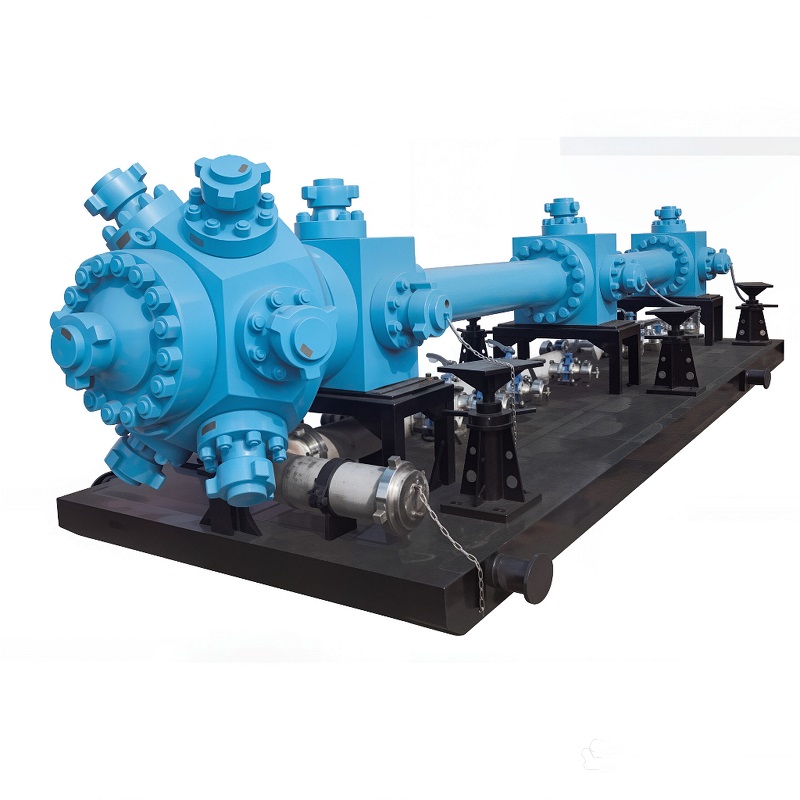
Frac manifold controls flow from multiple pumps to the well. High pressure, high flow rate, proppant-laden fluid. Choke and manifold design directly affects treatment performance.
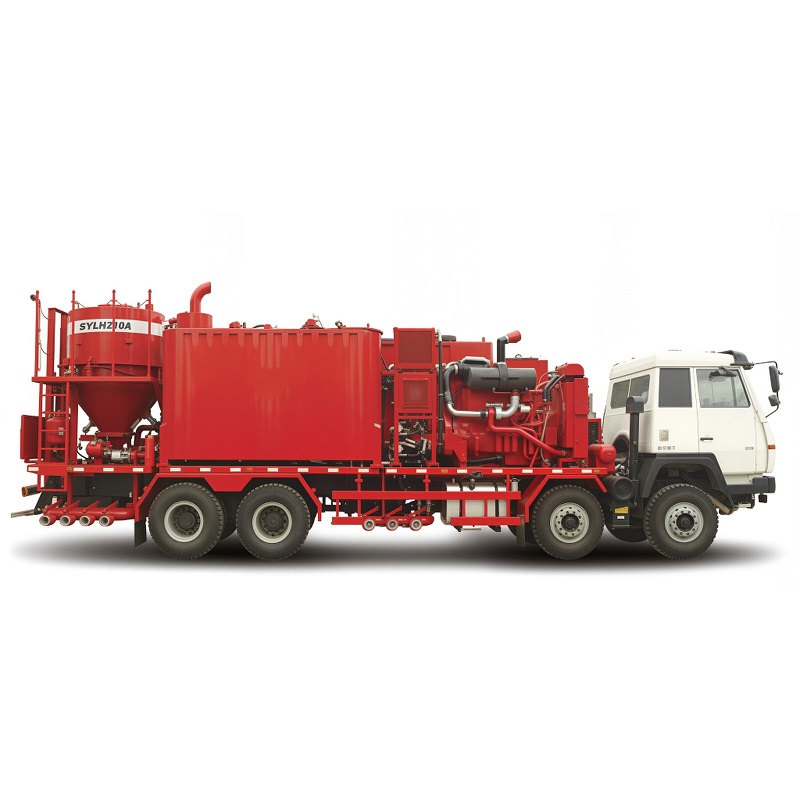
High pressure cementing lines and control valves manage cement slurry flow. Check valves prevent backflow down the casing. Accurate flow rate measurement is essential for proper cement placement.
Flow control valves and meters manage flow through production flowlines and gathering lines. Pressure regulation maintains optimal operating conditions across the gathering system.
Different valve types serve different purposes. Here's a quick guide.
| Valve Type | Best For | Key Features |
|---|---|---|
| Gate Valve | On/off, full flow | Low pressure drop, good isolation |
| Ball Valve | On/off, quick operation | Quarter turn, tight shutoff |
| Plug Valve | On/off, throttling, dirty fluids | Durable, good for abrasive service |
| Choke Valve | Flow control, pressure reduction | Adjustable orifice, trim for erosion resistance |
| Check Valve | Backflow prevention | Automatic, no actuation needed |
| Control Valve | Precise flow / pressure control | Actuated, adjustable, responsive |
Explore our related product categories:
A choke valve is specifically designed to handle high pressure drop and erosive flow. It's used where flow needs to be restricted and pressure reduced —like in well testing or production chokes. A control valve is more general purpose, used for modulating flow or pressure in process systems. Choke valves have special erosion-resistant trim and are built for severe service pressure drop.
Flow meter sizing depends on your expected flow rate range, fluid type, and pressure rating. The meter should be sized so that your normal operating flow is in the middle 50-70% of the meter's range. Tell us your expected flow rate, fluid type, and line size, and we will recommend the right flow meter for your application.
Yes. We offer valves in NACE MR0175 / ISO 15156 compliant materials for sour service (H2S-containing) applications. Sour service requires special material selection and heat treatment to prevent sulfide stress cracking. Tell us if your application involves H2S, and we will provide NACE-compliant valves.
Yes. We supply valves with manual, pneumatic, and hydraulic actuation. Actuated valves are used when remote operation is needed, or when fast shutdown is required. We can also supply the actuator separately if you need to actuate existing valves. Tell us your actuation requirements, and we will quote accordingly.
The pressure rating should match your system's maximum working pressure, plus appropriate safety margin. For most onshore production and workover applications, 70 MPa (10,000 psi) is standard. For higher-pressure wells, you may need 105 MPa (15,000 psi). Tell us your system pressure, and we will recommend the right rating.
Tell us your application, pressure rating, and flow requirements. Our engineers will help you choose the right valves, chokes, and flow meters for your system.