Valves | Manifolds | Wellhead Equipment

High Pressure Fluid Control Products: Complete Overview

High pressure fluid control products are the valves, fittings and manifolds that control the flow of high-pressure fluids in oil and gas operations. From wellhead Christmas trees to fracturing manifolds, these products are critical for safe and efficient well operations.

High pressure fluid control products overview

What Are High Pressure Fluid Control Products?

High pressure fluid control products refer to valves, fittings, flanges and manifolds designed to handle high-pressure fluids in oil and gas operations. They are used at every stage of the well lifecycle —drilling, completion, production, workover and abandonment.

Pressure Ratings

  • 2,000 psi (14 MPa): Low-pressure production, gathering lines
  • 3,000 psi (21 MPa): Standard production, wellhead
  • 5,000 psi (35 MPa): Intermediate, workover, well control
  • 10,000 psi (70 MPa): High-pressure, deep wells, fracturing
  • 15,000 psi (105 MPa): Ultra-high-pressure, HPHT wells

Key Standards

  • API 6A: Wellhead and Christmas tree equipment
  • API 6D: Pipeline valves
  • API 16A: Drilling well control equipment (BOPs)
  • API 16C: Choke and kill systems
  • NACE MR0175: Sulfide stress cracking resistance (H2S service)

Main Product Categories

Gate Valves

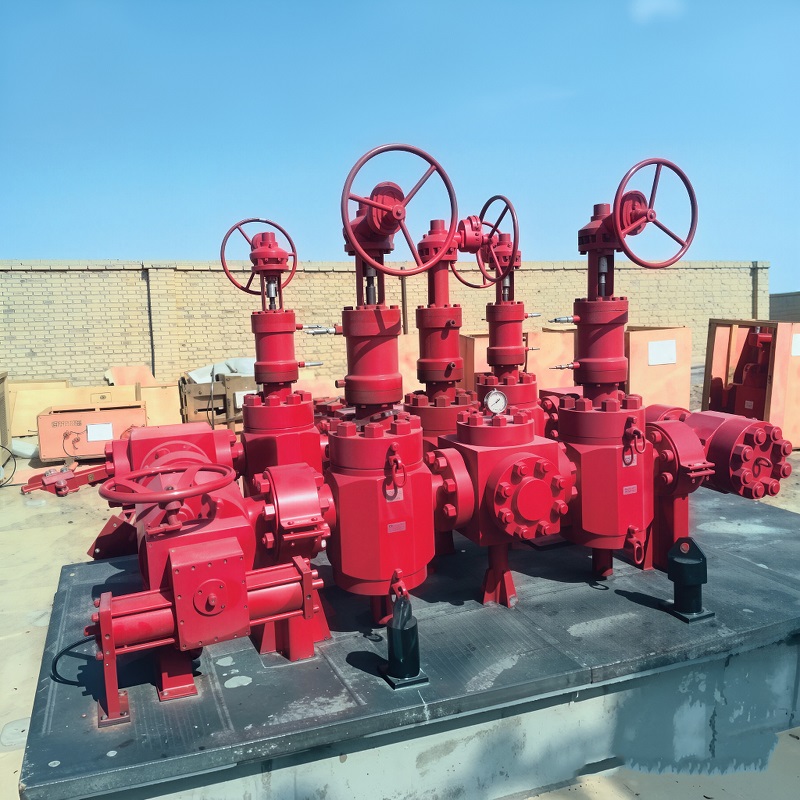
The most common type of high-pressure valve. Used to fully open or fully close a flow line. Gate valves have a cylindrical or slab gate that moves perpendicular to flow. Available in slab gate, expanding gate and through-conduit designs. Pressure ratings from 2,000 to 15,000 psi.

Choke Valves

Used to control (throttle) flow rate and pressure. Choke valves have a precisely sized orifice that restricts flow. Available in positive choke (fixed orifice) and adjustable choke (variable orifice) designs. Critical for well testing, production control and well kill operations.

Fracturing Manifolds

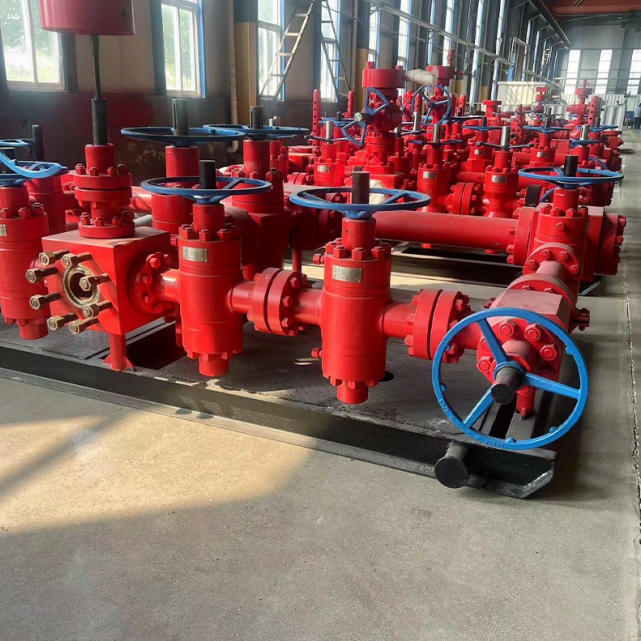
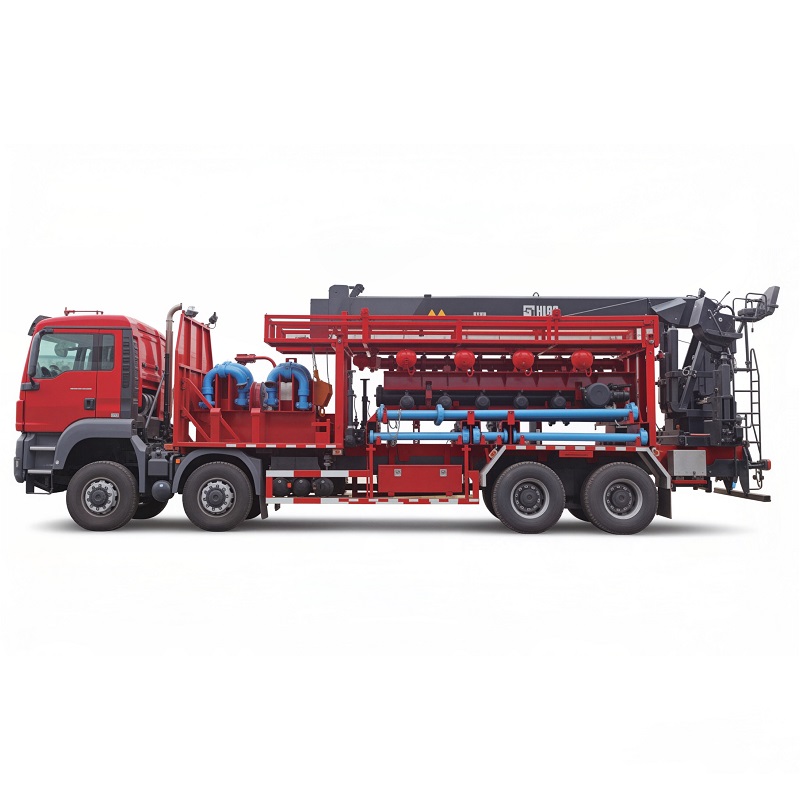
High-pressure manifolds used in hydraulic fracturing operations. Distribute fracturing fluid from multiple pump trucks to the wellhead. Consist of multiple valve branches and a main header. Pressure ratings typically 10,000-15,000 psi. Critical for safe and efficient frac operations.

Wellhead Equipment

The assembly of valves, spools and fittings that sits on top of the well casing. Includes the casing head, tubing head, and Christmas tree (production tree). Wellhead equipment provides suspension for the casing and tubing, and provides a sealed pressure boundary for the well.

Choke & Kill Manifolds

Well control manifolds used during drilling and workover operations. The choke line controls flow during well kick procedures. The kill line pumps heavy mud to kill the well. Consist of gate valves, choke valves, pressure gauges and connecting piping. API 16C certified.

Flanges & Fittings

High-pressure flanges, adapters, spools and fittings used to connect valves, manifolds and wellhead equipment. Available in various sizes and pressure ratings. API 6A flanges are the most common type. Fittings include crosses, tees, elbows and plugs.

Where Are These Products Used?

Drilling Operations

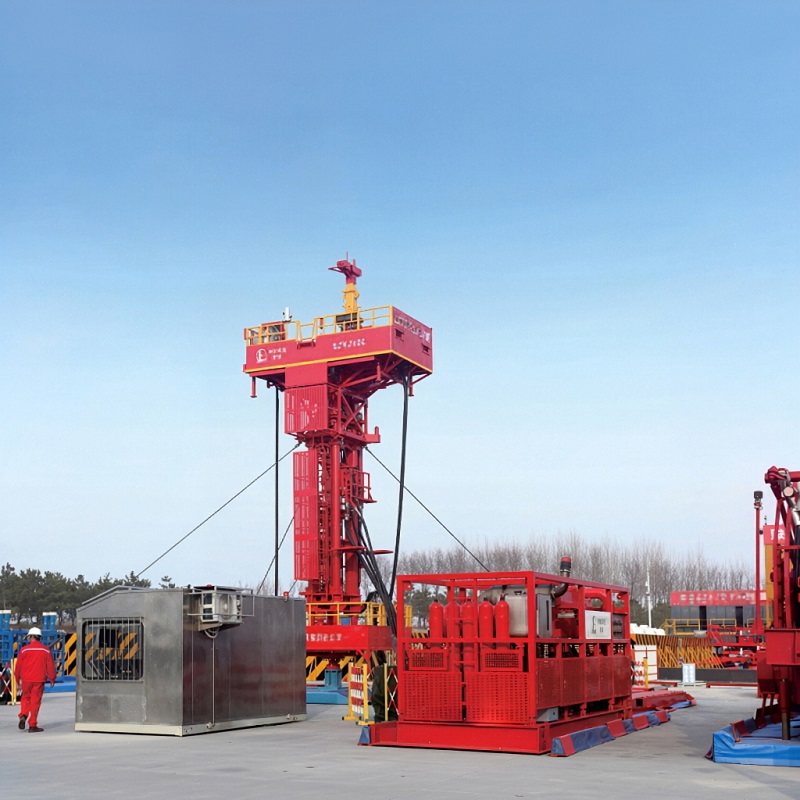
During drilling, high pressure fluid control products are used in the BOP stack, choke and kill manifold, and drilling fluid manifold. These provide well control during drilling operations. Pressure ratings must handle the expected well pressure.

Completion Operations

During well completion, high pressure valves and manifolds are used for well testing, gravel packing, acidizing and other completion operations. The Christmas tree is installed and tested at this stage.

Production Operations

During production, the wellhead Christmas tree controls flow from the well. Choke valves regulate production rate. Flowlines and gathering lines transport the produced fluids. These products operate continuously for years with minimal maintenance.

Stimulation Operations

During hydraulic fracturing or acidizing, high-pressure manifolds and valves handle the stimulation fluid. Fracturing manifolds distribute fluid from multiple pumps to the well. These products must handle the high pressures and abrasive fluids used in stimulation.

Understanding Pressure Ratings

Choosing the right pressure rating is critical for safety. Here is a guide to the most common pressure classes:

API Pressure Class PSI MPa Typical Application
2,000 2,000 psi 14 MPa Low-pressure production, gathering lines
3,000 3,000 psi 21 MPa Standard production wellhead
5,000 5,000 psi 35 MPa Workover, well control, intermediate
10,000 10,000 psi 70 MPa Deep wells, fracturing, high-pressure
15,000 15,000 psi 105 MPa Ultra-deep, HPHT, extreme conditions

Common Materials

Carbon Steel

The most common material for high pressure valves. AISI 4130, 4140 and 4145 are typical grades. Normalized or quenched and tempered. Suitable for non-sour service (no H2S). Widely used in production and general oilfield service.

Stainless Steel

Used for corrosive service or where corrosion resistance is needed. 316 stainless is common. Duplex stainless (2205) is used for more severe corrosion. Higher cost but better corrosion resistance. Used in produced water, CO2 service, and offshore applications.

NACE / Sour Service

For H2S-containing (sour) service, materials must meet NACE MR0175 / ISO 15156 requirements. This limits hardness and specifies material chemistry to prevent sulfide stress cracking (SSC). Sour service valves are more expensive but essential for sour gas applications.

Frequently Asked Questions About High Pressure Fluid Control

What is the difference between API 6A and API 6D valves?

API 6A covers wellhead and Christmas tree equipment used at the well. API 6D covers pipeline valves used in gathering and transmission lines. API 6A valves are generally heavier-duty and designed for well service (higher pressure, more severe service). API 6D valves are designed for pipeline service (long-distance transport, continuous flow). The testing and certification requirements are different for each standard.

How do I choose the right pressure rating?

The pressure rating must be at least equal to the maximum expected well pressure, plus a safety margin. As a general rule, choose the next API pressure class above the expected working pressure. For example, if the well will operate at 7,500 psi, choose a 10,000 psi class valve. It is always better to over-specify than under-specify —the cost difference is small compared to the risk of failure.

What is NACE MR0175?

NACE MR0175 (now also ISO 15156) is a standard that specifies material requirements for equipment used in H2S-containing (sour) oil and gas environments. It limits material hardness and specifies chemistry to prevent sulfide stress cracking (SSC), which can cause catastrophic failure of steel in sour service. If your well produces H2S, all wetted equipment must be NACE-compliant.

What is the difference between a gate valve and a choke valve?

A gate valve is designed to be either fully open or fully closed. It provides a tight shutoff and minimal flow restriction when open. A choke valve is designed to throttle flow —it partially closes to restrict flow and reduce pressure. Choke valves have specially designed internals that can handle the erosive effects of restricted flow. Gate valves should not be used for throttling.

How do I order the right flanges and fittings?

You need to specify: size (bore), pressure class, flange type (API 6A, RF, RTJ, etc.), material, and any special requirements (NACE, sour service, etc.). We provide a complete range of flanges, adapters, spools and fittings to connect all our valve and manifold equipment. Provide us with your wellhead or manifold layout and we will specify all required components.

Need High Pressure Fluid Control Products?

Tell us your required pressure rating, size and application. Our engineering team will recommend the optimal product configuration and provide a detailed quotation within 48 hours.