Live Well Intervention | No Kill Fluid | Underbalanced

Snubbing Units: Working on a Live Well Without Killing It

Normally, to work on a well, you kill it first —pump heavy mud to balance formation pressure, then pull the tubing or run tools. But killing a well has costs: you lose production, you damage the formation, and you spend time and money on kill fluid. A snubbing unit lets you work on the well while it's still live —under pressure. It grips the pipe with hydraulic clamps, overcomes the well pressure pushing upward, and pushes the pipe into the hole (or pulls it out) while the well is contained by the BOP stack below. This is "snubbing" —working on a live well without killing it. For mature fields, underbalanced wells, and wells where killing would damage the reservoir, snubbing is the standard approach.

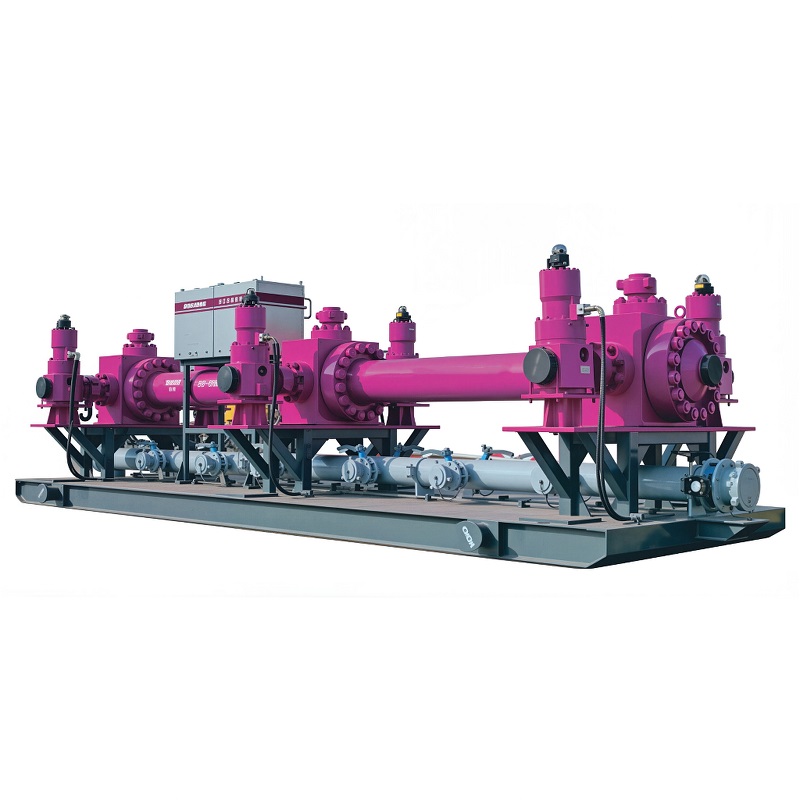
Snubbing unit operating on live well with BOP stack

How a Snubbing Unit Works

The basic principle is simple, but the engineering is precise:

Hydraulic Gripping Rams

The unit has upper and lower hydraulic clamps that grip the drill pipe or tubing. The clamps have enough gripping force to hold the pipe against the upward force of well pressure. You can't just lift the pipe out —the well is pushing it up. The clamps have to overcome that push.

Hydraulic Pull / Push Cylinders

Large hydraulic cylinders provide the upward pull (to pull pipe out) or downward push (to push pipe in). The cylinders are rated for thousands of pounds of force —enough to overcome well pressure and the weight of the string.

BOP Stack Below

Below the snubbing unit is a standard BOP stack that seals around the pipe. The BOPs are the primary well barrier. The snubbing unit does the work of moving the pipe; the BOPs keep the well contained. They work together.

Working Pressure Rating

The whole system —snubbing unit + BOP stack —is rated for a specific working pressure. Typical snubbing units are rated for 5,000 to 10,000 psi working pressure. Never exceed the rating. The well pressure you're working against must be within the unit's rating.

When You Need a Snubbing Unit

Snubbing is the right choice when:

  • You Can't Kill the Well: Killing would damage the formation, lose production, or be technically impossible (e.g., depleted zones that can't support a full column of kill mud). Snubbing lets you work on the live well.
  • Underbalanced Operations: The well is producing underbalanced (formation pressure > bottomhole pressure). You need to run tools in or pull pipe out while the well is flowing. This is standard for underbalanced drilling and completion.
  • Savings on Kill Fluid: Killing a deep, high-pressure well requires hundreds of barrels of specialized kill mud. Snubbing avoids that cost entirely. On many wells, the snubbing unit pays for itself in avoided kill fluid costs.
  • Production Time Saved: Killing and re-completing a well takes days or weeks. Snubbing operations are faster. You get the well back on production sooner, which matters for revenue.
  • Coiled Tubing Complement: Snubbing units and coiled tubing units are often used together. The CT unit runs the tools, the snubbing unit handles the pipe movement under pressure. They're complementary well intervention tools.

Typical Snubbing Unit Specifications

Parameter Medium Duty Heavy Duty
Working pressure 5,000 psi (35 MPa) 10,000 psi (70 MPa)
Pull capacity 50,000 - 100,000 lbf 150,000 - 250,000 lbf
Push capacity 30,000 - 60,000 lbf 80,000 - 150,000 lbf
Pipe size range 1" - 3-1/2" tubing 1" - 4-1/2" drill pipe
Stroke length 10 - 20 ft 15 - 30 ft
Mounting Truck mounted Truck or skid mounted

Frequently Asked Questions

What's the difference between a snubbing unit and a workover rig?

A workover rig is designed to pull pipe out of a dead (killed) well. It uses the weight of the pipe itself to lift —the string hangs from the hook. A snubbing unit works on a live (pressurized) well. It has to actively push or pull the pipe against well pressure, using hydraulic clamps and cylinders. The key difference: workover rigs rely on gravity and hook load. Snubbing units actively fight well pressure. You can't use a workover rig on a live well —the well pressure would blow the pipe out of the hole.

Is snubbing dangerous? What are the safety considerations?

Snubbing is well control work —it's inherently riskier than working on a dead well, but it's safe when done correctly. The key safety factors: (1) properly rated BOP stack that can seal around the pipe, (2) certified snubbing operators who know the procedure, (3) regular testing of the gripping elements and hydraulic system, (4) emergency procedures practiced. When these are in place, snubbing is a standard, routine operation done on thousands of wells every year. The danger comes from cutting corners: under-rated equipment, untrained crew, or skipped maintenance.

How much does snubbing save compared to killing a well?

It depends on the well, but typically the savings are significant. Killing a deep well requires: hundreds of barrels of specialized kill mud (cost: $50k-$200k+), a cementing unit or mud pump to circulate it (cost: daily rental), and days of downtime while you circulate and recondition. Snubbing costs: the unit itself (daily rental), crew, and fuel. On many wells, the snubbing unit is cheaper than the kill fluid alone. Plus, you avoid formation damage and lost production time. For mature fields with underbalanced wells, snubbing is the default economic choice.

Need a Snubbing Unit for Well Control?

Tell us your well pressure, pipe size range, and whether you need truck-mounted or skid-mounted. Our engineering team will recommend the right snubbing configuration for your live well intervention.