Choke & Kill Manifold | Well Pressure Control | API 16C

Pressure Control Equipment for Well Control Operations

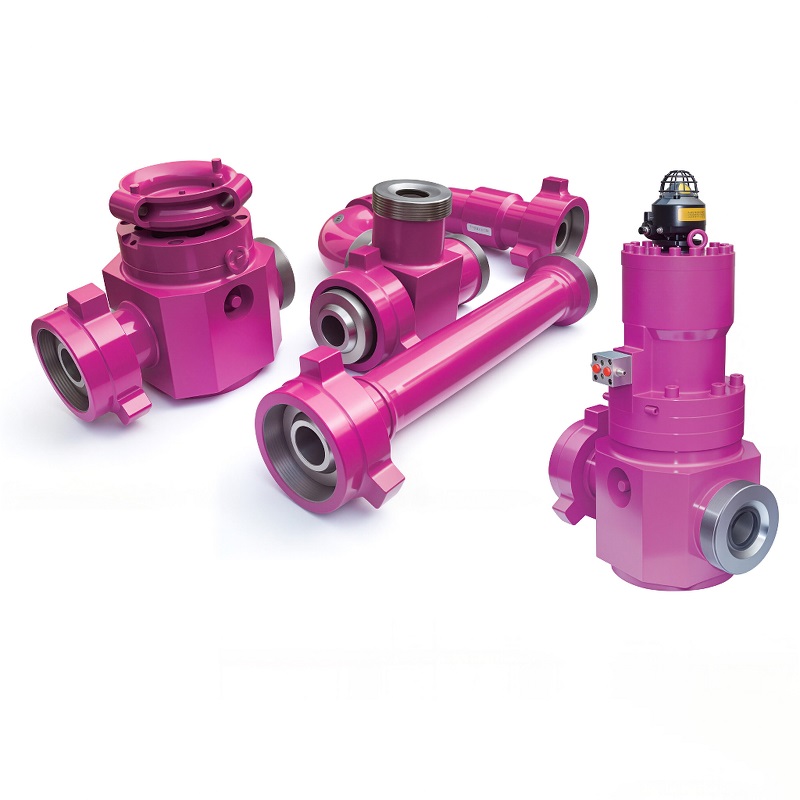
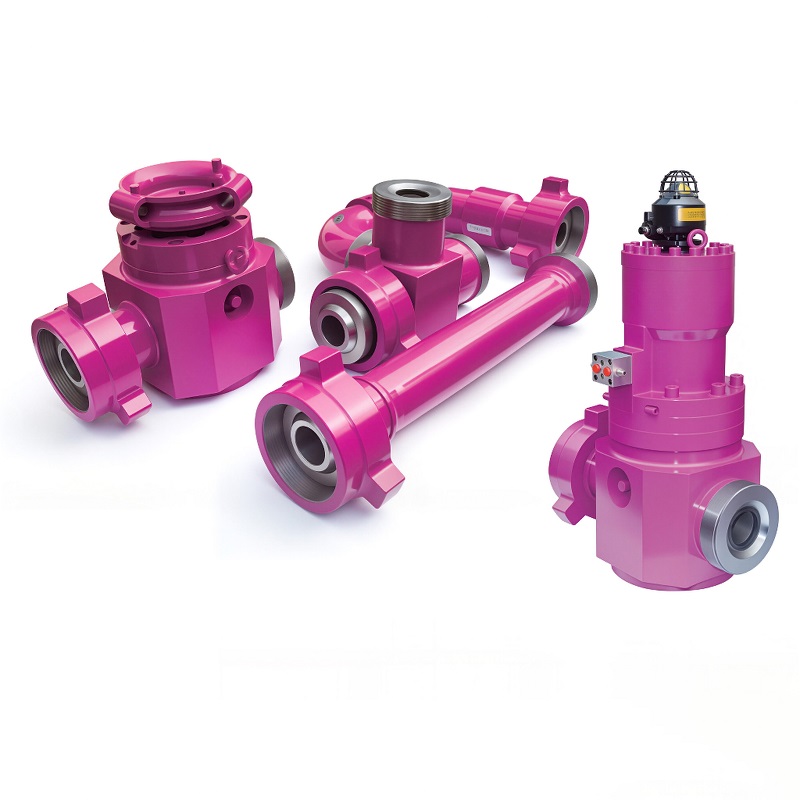
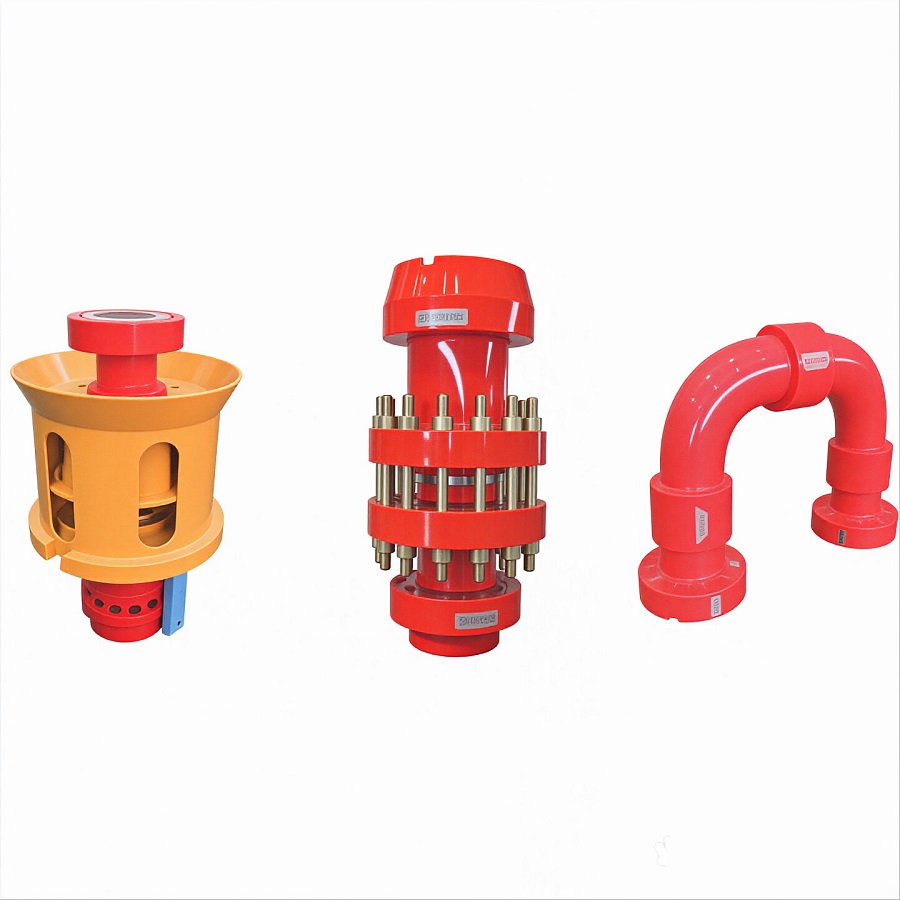
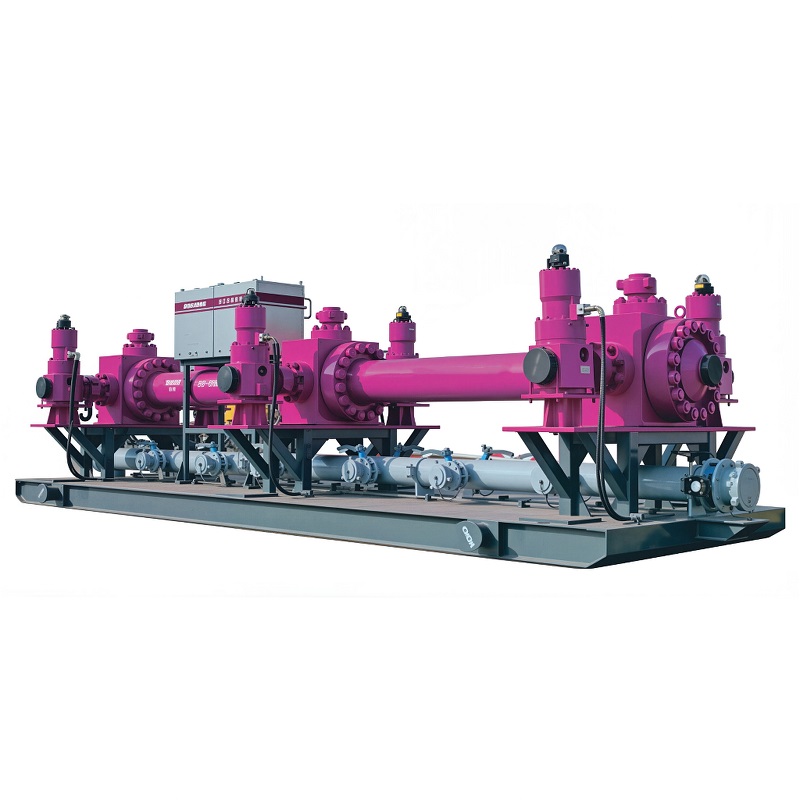
Pressure control equipment is the system of valves, chokes and piping used to control well pressure during drilling, workover and well intervention operations. It works together with the BOP stack to provide complete well control capability. The choke manifold and kill manifold are the key components.

Pressure control equipment for well control operations

The Well Control System

A complete well control system consists of several interconnected components:

BOP Stack

  • Annular BOP: Seals around drill pipe or casing
  • Pipe rams: Seal around a specific pipe size
  • Blind rams: Seal the well when no pipe is in the hole
  • Shear rams: Cut the pipe in an emergency

Pressure Control Equipment

  • Choke manifold: Controls flow during well kill operations
  • Kill manifold: Pumps kill fluid into the well
  • Hydraulic control unit: Operates the BOP stack
  • Standpipe manifold: Circulation system connections

Choke Manifold: Detailed Overview

The choke manifold is used to control flow during well kick and well kill operations:

How It Works

  • When a well kick occurs, the BOP closes in the well
  • Flow from the well is routed through the choke line
  • The choke valve restricts flow, controlling well pressure
  • The driller gradually brings the well under control
  • Controlled bleed-off prevents a blowout

Key Components

  • Choke valves: Adjustable and positive chokes (redundant)
  • Gate valves: Isolate branches for maintenance
  • Pressure gauges: Monitor well and choke pressure
  • Line heaters: Prevent hydrate formation in choke line
  • Flare line connection: Routes unwanted gas to flare

Kill Manifold: Detailed Overview

The kill manifold is used to pump heavy kill fluid into the well:

How It Works

  • Heavy mud (kill fluid) is pumped from the mud pit
  • The kill pump pushes fluid through the kill line
  • Kill fluid enters the well at the BOP stack
  • Increased hydrostatic pressure kills the kick
  • The well is now under control

Key Components

  • Kill pump connection: Connects to the mud pump
  • Gate valves: Control flow through the kill line
  • Check valve: Prevents backflow from the well
  • Pressure gauge: Monitors kill line pressure
  • Multiple branches: Redundant kill lines for safety

Pressure Ratings & Standards

Component Pressure Rating Standard Typical Application
BOP Stack (Annular) 3,000 - 10,000 psi API 16A Drilling, workover, coiled tubing
BOP Stack (Rams) 5,000 - 15,000 psi API 16A Drilling, deep wells, HPHT
Choke Manifold 5,000 - 10,000 psi API 16C Well control, well kill operations
Kill Manifold 5,000 - 10,000 psi API 16C Well kill, kill fluid pumping
Hydraulic Control Unit 3,000 psi (hydraulic) API 16D BOP operation, accumulator system

Well Control by Operation Type

Drilling Well Control

During drilling, the well control system must handle kicks while drilling ahead. The BOP stack is installed on the diverter or wellhead. Choke and kill manifolds provide controlled bleed-off and kill fluid pumping. Drilling well control is the most demanding application —the BOP must handle high-pressure gas kicks while drilling continues.

Workover Well Control

During workover operations, the well control system handles kicks while pulling or running tubing. Workover BOPs are typically smaller than drilling BOPs. Choke and kill manifolds provide the same function but at lower flow rates. Workover well control is critical because workover operations often involve pulling completion strings.

Coiled Tubing Well Control

During coiled tubing operations, a specialized CT BOP stack provides well control. The CT BOP has annular BOPs that seal around the coiled tubing. Pipe rams, blind rams and shear rams provide backup well control. Choke and kill manifolds complete the system. CT well control is essential for live well intervention.

Snubbing Well Control

During snubbing (hydraulic workover), the snubbing unit itself provides primary well control. BOP stacks provide secondary well control. The snubbing BOP typically has annular BOPs and pipe rams that seal around the tubing being run or pulled. Choke and kill manifolds provide controlled circulation.

Frequently Asked Questions About Well Control Equipment

What is the difference between a choke and kill manifold?

A choke manifold controls flow out of the well during well kill operations. It uses a choke valve to restrict flow and control well pressure. A kill manifold pumps heavy kill fluid into the well to increase hydrostatic pressure and kill the kick. They work together: the choke manifold bleeds off controlled flow, and the kill manifold pumps in heavy fluid. Both are essential for well control.

What is the difference between API 16A and API 16C?

API 16A covers BOP equipment (the BOP stack itself: annular BOP, rams, etc.). API 16C covers choke and kill systems (the manifolds and piping that connect to the BOP). In other words, API 16A is the well control device, and API 16C is the pressure control system that works with it. Both are required for a complete well control system.

How often should well control equipment be tested?

Well control equipment must be tested regularly to ensure it works properly when needed. BOP stacks should be function tested before each well and pressure tested periodically (typically every 30 days or per regulatory requirements). Choke and kill manifolds should be pressure tested annually. Accumulator systems should be tested monthly. Detailed testing requirements are specified in API RP 53 and local regulations.

What happens if the BOP fails during a kick?

BOP failure during a kick is a serious emergency. If the BOP cannot seal the well, the next line of defense is the diverter system (if on surface) or controlled bleed-off through the choke manifold. If all well control measures fail, a blowout may occur. This is why regular testing, proper maintenance, and trained personnel are absolutely critical. Well control equipment is the last line of defense against a blowout.

Can you customize well control equipment for specific applications?

Yes. We regularly customize well control equipment for specific applications: offshore vs onshore, drilling vs workover vs coiled tubing, different pressure ratings, different sizes, different materials (NACE for sour service). Provide us with your well conditions and operational requirements, and our engineering team will design a well control system that meets your needs. We provide complete documentation and certification with each system.

Need Well Control Equipment?

Tell us your operation type (drilling, workover, coiled tubing), well pressure rating and specific requirements. Our engineering team will recommend the optimal well control equipment configuration and provide a detailed quotation within 48 hours.