Real-Time Monitoring | ESD | Remote Operation

Manifold Pressure Control: The Brain Behind the Valves

A manifold is just pipes and valves without a control system. The pressure control equipment is what makes the manifold intelligent: it measures pressure at every critical point, opens and closes valves automatically when pressure goes out of range, triggers emergency shutdown (ESD) if something goes wrong, and feeds all that data to the operator in real time. On a large frac spread with 12 pumps and multiple manifold branches, you can't have someone standing at each valve watching the pressure gauge. The control system does it for you —faster, more consistently, and without putting people in harm's way.

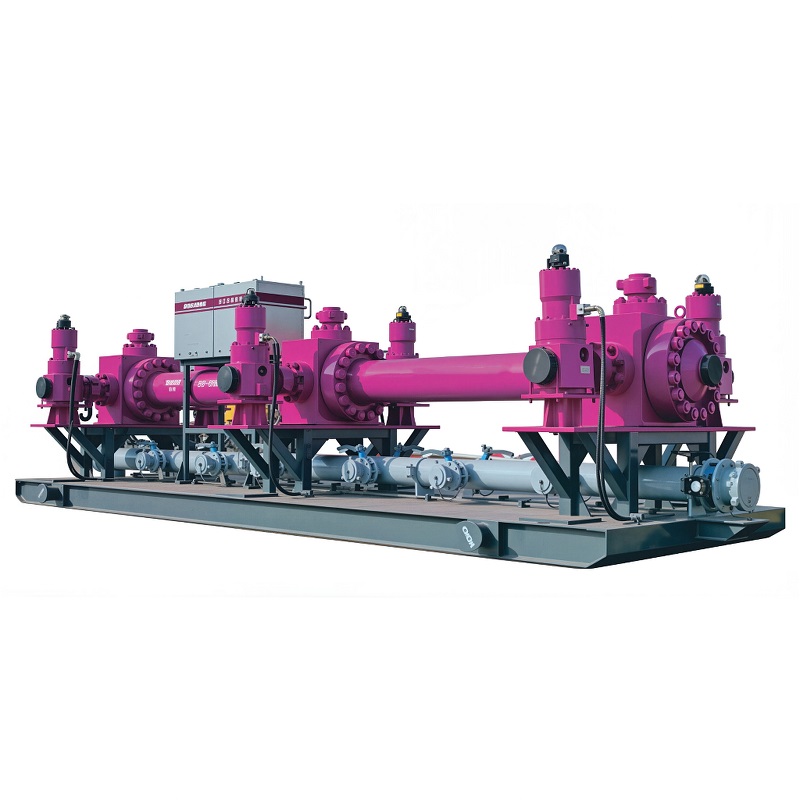
Manifold pressure control system with monitors and valves

Key Components of a Manifold Pressure Control System

A complete manifold pressure control package includes:

Pressure Transmitters

High-pressure rated pressure transmitters installed at critical points on the manifold. They send a continuous electrical signal (4-20 mA) to the control panel showing real-time pressure. No more reading analog gauges across a noisy location.

Control Valves (Hydraulic / Pneumatic)

Motorized or hydraulically actuated gate valves that can be opened and closed remotely. The operator doesn't need to walk out to the manifold in the middle of a high-pressure operation to turn a valve by hand.

Emergency Shutdown (ESD)

The safety layer: if pressure exceeds the set limit, the ESD system automatically closes the critical isolation valves. This is the fail-safe that prevents overpressure damage and protects personnel. Can be triggered manually or automatically.

Control Panel / Data Logger

The operator interface: a panel in the control van showing real-time pressure readings, valve status, and alarm indicators. All data is logged and saved for post-job review and regulatory reporting.

Why Manifold Pressure Control Matters

Safety First

High-pressure oilfield operations are dangerous. A pressure spike that bursts a line can spray high-pressure fluid for hundreds of meters. The ESD system reacts in milliseconds —faster than any human operator. It's the difference between a near-miss and an injury.

Operational Efficiency

On a large frac spread, you're running 8-12 pumps simultaneously. The manifold control system lets the operator see exactly which branch is taking how much flow, and balance the load across pumps. No more guesswork.

Data & Accountability

Every pressure reading, every valve operation, every alarm is time-stamped and logged. This data is required for operator reports, regulatory compliance, and post-job analysis. "What was the pressure at 2:17 PM?" —the system knows.

Remote Operation

Modern control systems let the operator run the manifold from the comfort of the control van, far from the high-pressure lines. This is not just convenience —it's safety. The operator isn't standing next to a 10,000 psi line when something goes wrong.

Typical Manifold Control System Configuration

Component Typical Spec
Pressure transmitter range 0 - 15,000 psi (0 - 105 MPa)
Transmitter accuracy ± 0.5% full scale
Valve actuation Hydraulic or pneumatic, 5-10 second operation
ESD response time < 2 seconds from alarm to full valve closure
Data logging 1 Hz sample rate, 30+ day storage
Operator interface HMI touchscreen in control van, redundant backup panel

Frequently Asked Questions

Can I add pressure control to an existing manual manifold?

Yes. Most older manual manifolds can be retrofitted with pressure transmitters and motorized valves. The original manifold body and piping stay the same. You add: pressure transmitters at critical points, hydraulic actuators on the key valves, and a control panel. It's a cost-effective way to upgrade safety without replacing the whole manifold. We offer retrofit packages for common manifold sizes and pressure ratings.

What's the difference between manual and automated frac manifold control?

Manual: workers open and close valves by hand, read analog gauges, and adjust pump rates based on what they see. Slow, inconsistent, and puts people near high-pressure lines. Automated: the control system monitors pressure in real time, automatically redirects flow when needed, and triggers ESD if pressure exceeds safe limits. Faster, more consistent, and keeps people out of the danger zone. For modern multi-stage shale fracs, automated control is standard —you can't run 12 pumps manually anymore.

How many pressure transmitters do I need on a frac manifold?

Depends on manifold complexity. A simple 3-pump frac manifold might need 4-6 transmitters: one at each pump outlet, one at the main outlet, and one on the flare/relief line. A large 12-pump zipper frac manifold might need 15-20 transmitters to monitor every branch. The rule of thumb: put a transmitter wherever pressure could spike unexpectedly, and wherever you need to know the exact pressure to make operational decisions. Tell us your manifold layout, and we'll recommend the right number and placement.

Need Manifold Pressure Control Equipment?

Tell us your manifold type (frac, cementing, well control), number of valves and branches, and whether you need a new system or retrofit. We'll design a control package that matches your operation.