Overpressure Protection | Safety Relief | Regulators

Wellhead Pressure Control Equipment: Keeping Pressure in Check

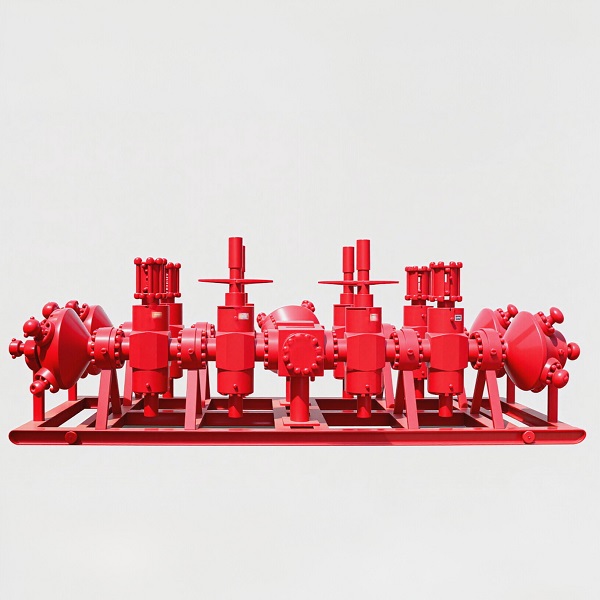
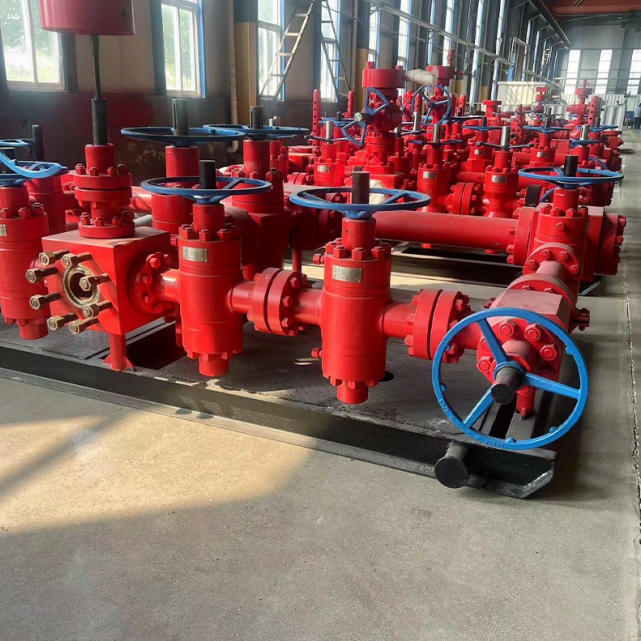
Wellhead pressure control equipment includes the safety devices, relief valves, regulators and monitoring instruments that protect the wellhead and surface equipment from overpressure. It's the last line of defense against pressure excursions that could damage equipment or cause safety incidents.

Wellhead pressure control equipment

Key Pressure Control Equipment

Wellhead pressure control systems include several types of equipment:

  • Safety relief valves (SRV): Automatically relieve pressure if it exceeds a set threshold. Rupture discs or spring-loaded relief valves that vent excess pressure to a safe location.
  • Pressure regulators: Automatically reduce and control downstream pressure. Used to maintain stable delivery pressure regardless of upstream variations.
  • Pressure gauges: Visual indication of wellhead pressure. Bourdon tube, digital or diaphragm-type gauges for monitoring pressure at a glance.
  • Pressure controllers: Electronic controllers that monitor pressure and trigger alarms or shutdowns when pressure goes out of limits. Part of the overall safety system.
  • Pilot-operated valves: High-capacity valves controlled by a pilot pressure signal. Used for fast-acting pressure control in critical applications.
  • Surge relief systems: Protect against pressure surges caused by sudden valve closure or pump startup. Absorbs shock waves and protects piping and equipment.

Why Pressure Control Matters

Protect Equipment

Overpressure can damage wellhead equipment, piping, vessels and instrumentation. A pressure spike that exceeds equipment rating can rupture lines, rupture discs, or cause catastrophic failure. Pressure control equipment acts as a safety barrier.

Protect Personnel

Pressure failures can eject debris, release toxic gases or cause explosions. Wellsite safety is paramount. Proper pressure control prevents accidents that could injure or kill workers on location.

Protect the Environment

Uncontrolled pressure releases can spill oil, gas or chemicals into the environment. Spills contaminate soil, water and air. Pressure control helps prevent environmental incidents and the regulatory consequences that follow.

Ensure Regulatory Compliance

Regulators (API, ASME, OSHA, and local authorities) require pressure control systems on wellhead equipment. Properly installed and maintained pressure control equipment keeps you compliant with safety and environmental regulations.

Where Pressure Control Equipment Is Used

Production Wellheads

Pressure control on producing oil and gas wells. Protects against abnormal pressure buildup, tubing leaks, or well control events. Includes relief valves and monitoring instrumentation.

Injection Wellheads

Pressure control on water injection, gas injection, or disposal wells. Protects against overpressurization of the injection system. Includes back-pressure valves and pressure relief systems.

Workover Operations

Temporary pressure control during well workover operations. Quick-deploy relief systems and monitoring equipment to protect personnel and equipment during intervention.

Typical Specifications

Equipment Type Pressure Range Standard
Safety Relief Valve 1,000 - 15,000 psi API 520/526, ASME Boiler & Pressure Vessel Code
Pressure Regulator 500 - 10,000 psi API 6D, ASME B16.34
Pressure Gauge 0 - 15,000 psi API 10B, ASME B40.1
Pressure Controller 0 - 10,000 psi API 14.2, ISA standards
Pilot-Operated Valve 1,000 - 15,000 psi API 6A, ASME B16.34

Frequently Asked Questions

What's the difference between a safety relief valve and a rupture disc?

A safety relief valve (SRV) is a reusable valve that opens and closes automatically. It relieves overpressure and then reseats, allowing continued operation. A rupture disc is a single-use device that bursts at a set pressure —it's a one-time failure mechanism. SRVs are preferred when you want to continue operating after a pressure excursion. Rupture discs are simpler and cheaper, but they require replacement after activation. Many systems use both: a rupture disc as a backup to the SRV.

How often should pressure control equipment be inspected?

Inspection frequency depends on the equipment type and service conditions. Safety relief valves should be tested and certified annually (per API 510). Pressure gauges should be calibrated annually. Pressure controllers and transmitters should be checked every 6-12 months. In critical service, inspect more frequently. Keep a maintenance log and follow manufacturer recommendations. Overdue maintenance on pressure safety equipment is a major regulatory violation.

Do I need pressure control equipment on every wellhead?

Yes. Every wellhead —production, injection, workover —needs some form of pressure control. The exact equipment depends on the well's operating conditions, fluid type, and local regulations. Even on low-pressure wells, you need at least a pressure gauge and some form of overpressure protection. Skipping pressure control is not just unsafe; it's a regulatory violation in most jurisdictions.

Need Wellhead Pressure Control Equipment?

Tell us your well conditions and pressure requirements. Our engineering team will recommend the right pressure control equipment and provide a quote within 48 hours.