What is the difference between a wellhead and a Christmas tree?
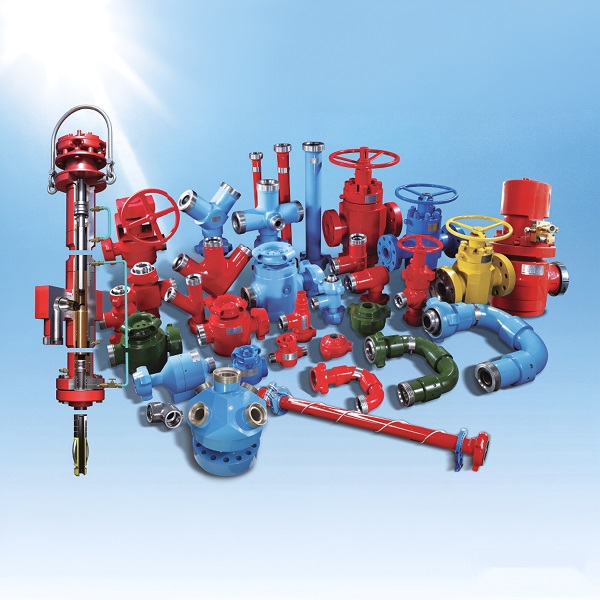
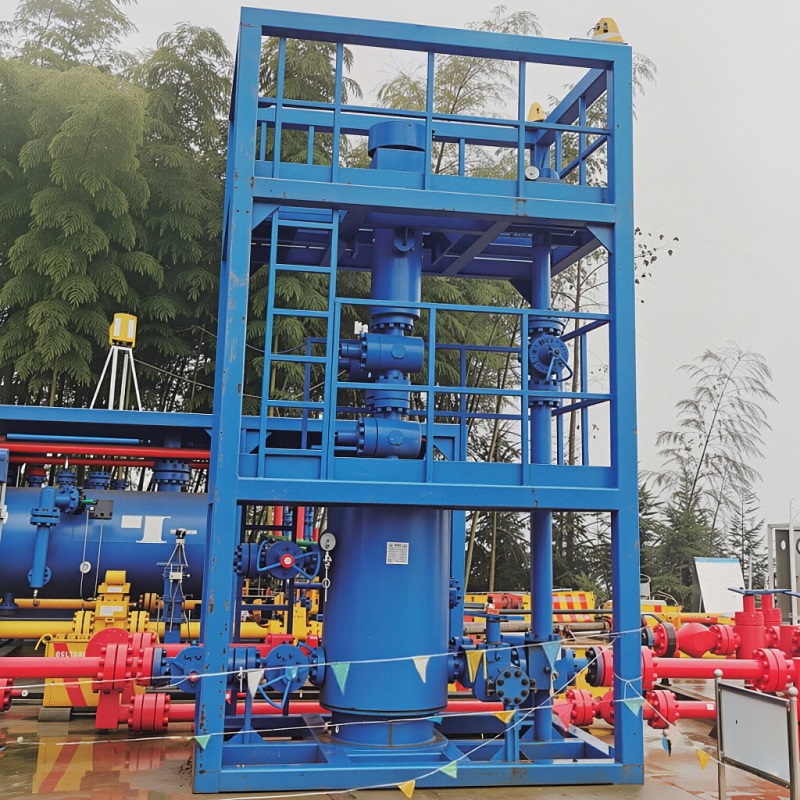
The wellhead is the entire assembly of casing head, casing spools, and tubing head that sits on top of the well. The Christmas tree (or production tree) is the valve assembly on top of the tubing head that controls production flow. In other words, the wellhead is the base structure, and the Christmas tree is the control valves on top. Together they make up the complete wellhead system.
How do I choose the right wellhead pressure rating?
The wellhead pressure rating must exceed the maximum expected well pressure, including any stimulation or workover pressures. As a general rule, choose the next API pressure class above the maximum expected pressure. For example, if the well will see 6,000 psi during fracturing, choose a 10,000 psi wellhead. Always consider future operations —you may want to restimulate the well later.
What is the difference between a conventional and horizontal tree?
A conventional tree has vertical valves and the tubing hanger is installed below the tree. A horizontal tree has horizontal valves and the tubing hanger is installed through the tree. Horizontal trees are used for subsea and deepwater applications because they allow intervention without removing the tree. Conventional trees are simpler and cheaper for onshore and shallow offshore wells.
What is NACE service and why does it matter?
NACE service means the equipment meets NACE MR0175 (ISO 15156) requirements for H2S-containing (sour) environments. In sour service, steel can suffer from sulfide stress cracking (SSC), which can cause catastrophic failure. NACE-compliant materials have limited hardness and controlled chemistry to resist SSC. If your well produces H2S, all wellhead equipment must be NACE-compliant.
How long does a wellhead last?
A properly maintained wellhead can last the entire life of the well —20-30 years or more. The main maintenance items are valve packing replacement, flange bolt torque checks, and corrosion inspection. Wellhead equipment is designed for long-term service with minimal maintenance. API 6A certification ensures that the equipment meets strict quality and performance standards.