
Live Well Workover
Running or pulling tubing in a pressurized well. No kill mud, no production loss. Especially valuable for offshore gas wells where killing damages the reservoir and costs weeks of production.
Killing an offshore well is expensive and risky. You lose production, you introduce mud into the reservoir, and on a platform, the kill mud and water handling is complicated. For offshore wells —especially gas wells and sensitive reservoirs —live well intervention (snubbing) is often the better approach: work on the well while it's still pressurized, without killing it. An offshore snubbing unit is the hydraulic jack system that pushes and pulls jointed pipe under pressure. On land, snubbing units are truck-mounted. Offshore, they must be skid-mounted, compact, marine-grade, and rated for platform installation. The unit sits on the wellhead, seals against well pressure, and runs or pulls pipe under controlled pressure. We design and manufacture offshore snubbing units for platform well intervention —compact, certified, and built for the marine environment.
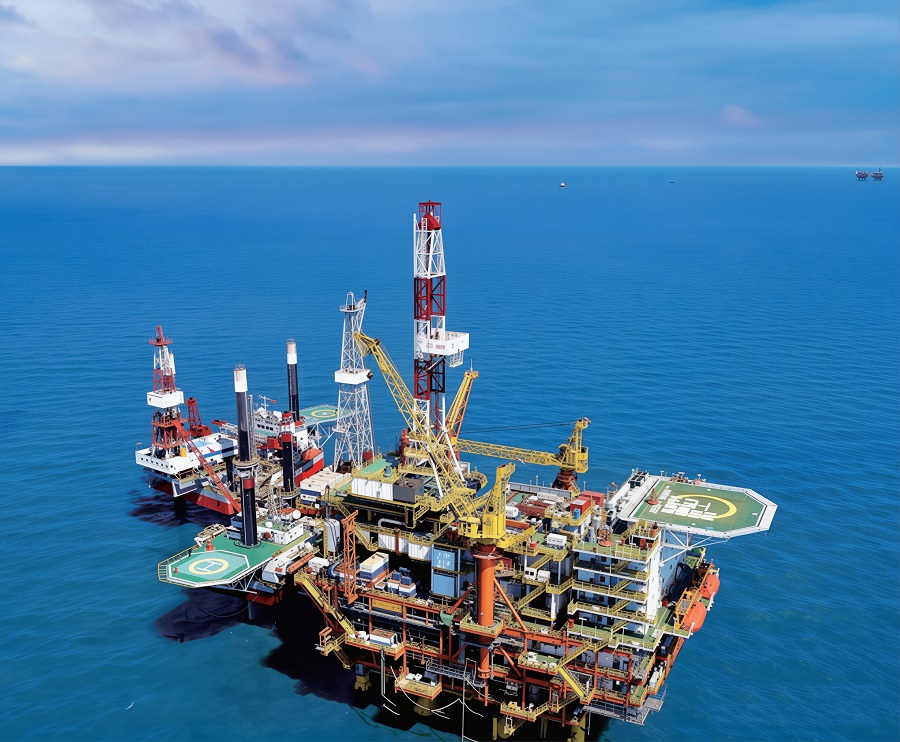
Running or pulling tubing in a pressurized well. No kill mud, no production loss. Especially valuable for offshore gas wells where killing damages the reservoir and costs weeks of production.
Running completion equipment (slotted liners, screens, downhole tools) under pressure. Used for underbalanced completions where the reservoir pressure is higher than the hydrostatic pressure.
Running and pulling cement plugs for well abandonment. On offshore wells, snubbing allows P&A without killing the well, reducing environmental risk and cost.
Snubbing units are used in underbalanced drilling operations: running drill pipe into a well that's flowing. Common on offshore wells where reservoir damage must be minimized.
| Factor | Offshore Snubbing Unit | Onshore Snubbing Unit |
|---|---|---|
| Mounting | Skid-mounted (crane lift) | Truck-mounted (self-propelled) |
| Footprint | Compact, platform deck space | Large truck footprint |
| Weight | Weight-optimized (crane limit) | No weight constraint |
| Materials | Marine-grade, corrosion-resistant | Standard carbon steel |
| Pressure Rating | Often higher (offshore HPHT wells) | Standard ratings |
Both work on pressurized wells. Coiled tubing uses continuous pipe on a reel —fast, but limited to smaller diameters. Snubbing uses jointed pipe, pushed in by hydraulic jacks —can handle larger pipe and heavier loads, but slower because you make and break connections. For most offshore intervention jobs (cleanouts, acidizing), coiled tubing is preferred. For jobs that require larger pipe (completion work, heavy pulls, casing work), snubbing is needed. Tell us what you're trying to do, and we'll recommend the right approach.
Offshore snubbing units are designed to break down into modules that fit through platform doors and can be lifted by the platform crane. The unit is transported by supply vessel, then lifted onto the platform deck, then assembled over the well. We provide lifting plans, weight certificates, and assembly procedures. Typical offshore snubbing units break down into 4-6 modules, each within the platform crane's lift capacity.
It depends on the well. Offshore snubbing units are commonly rated for 35 MPa (5,000 psi) or 70 MPa (10,000 psi) working pressure. For HPHT offshore wells, we can supply units rated for 105 MPa (15,000 psi). Tell us your wellhead pressure, and we'll specify the right pressure control stack and snubbing unit rating.
Tell us your well pressure, pipe size, and platform constraints. We'll design a compact, marine-grade snubbing unit —skid-mounted, certified, and ready for platform installation —that lets you work on pressurized offshore wells without killing them.