
Cement Pump
The heart of the unit. A triplex or quintuplex plunger pump that moves cement slurry at controlled pressure and flow. Built for abrasive cement service with hardened fluid ends.
A truck mounted cementing unit is the most common and versatile cementing configuration. Everything you need —pump, mixer, controls, engine —is built onto a heavy-duty truck chassis. Drive to the wellsite, set up, and start cementing. It's the go-to choice for operators who want a self-contained, ready-to-go cementing solution. No towing, no setup hassles —just drive and work.
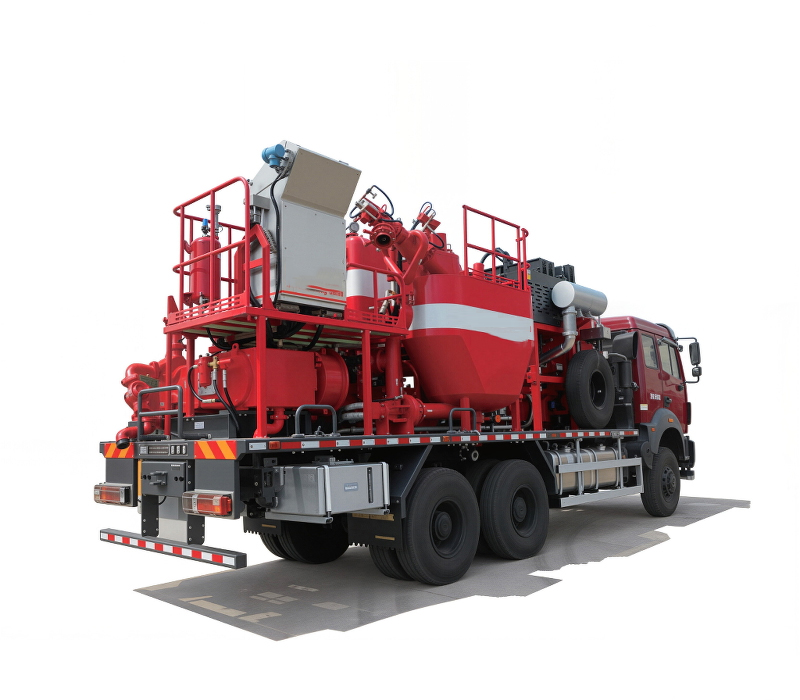
Truck mounted units offer several key advantages:
For operators who want the simplest, most straightforward cementing solution, a truck mounted unit is the clear choice. It's proven, reliable, and used by the majority of cementing service companies worldwide.
The heart of the unit. A triplex or quintuplex plunger pump that moves cement slurry at controlled pressure and flow. Built for abrasive cement service with hardened fluid ends.
The vessel where water, cement and additives are combined. Includes agitator, density indicator, and level gauge. Batch mixing or continuous mixing depending on design.
Diesel engine that drives the pump. Sufficient horsepower for maximum pump flow and pressure. Includes cooling system, fuel tank, and engine controls.
Where the operator controls the unit. Pump speed, pressure readout, density display, emergency stop. Clear, intuitive controls for efficient operation.
Land drilling operations. Truck units move from well to well, supporting each casing string. The most common cementing setup for onshore work.
Well workover and intervention. Truck units are called in for squeeze jobs, plug setting, and remedial cementing. Quick to deploy, easy to position.
Remote drilling locations. Truck units handle rough terrain and long drives. They're built to go where the work is, no matter how remote.
| Parameter | Typical Range |
|---|---|
| Pump flow rate | 0.5 - 2.5 m³/min (130 - 660 gpm) |
| Pump pressure | 5 - 35 MPa (700 - 5,000 psi) |
| Mixing tank capacity | 1.5 - 3.0 m³ (400 - 800 gallons) |
| Engine power | 200 - 500 HP (diesel) |
| Number of pumps | 1 (single) or 2 (twin) |
| Truck chassis | Heavy-duty 4x4, 6x6 or 8x8 off-road capable |
Single pump truck mounted cementing unit for general cementing operations. Self-contained, ready to drive.
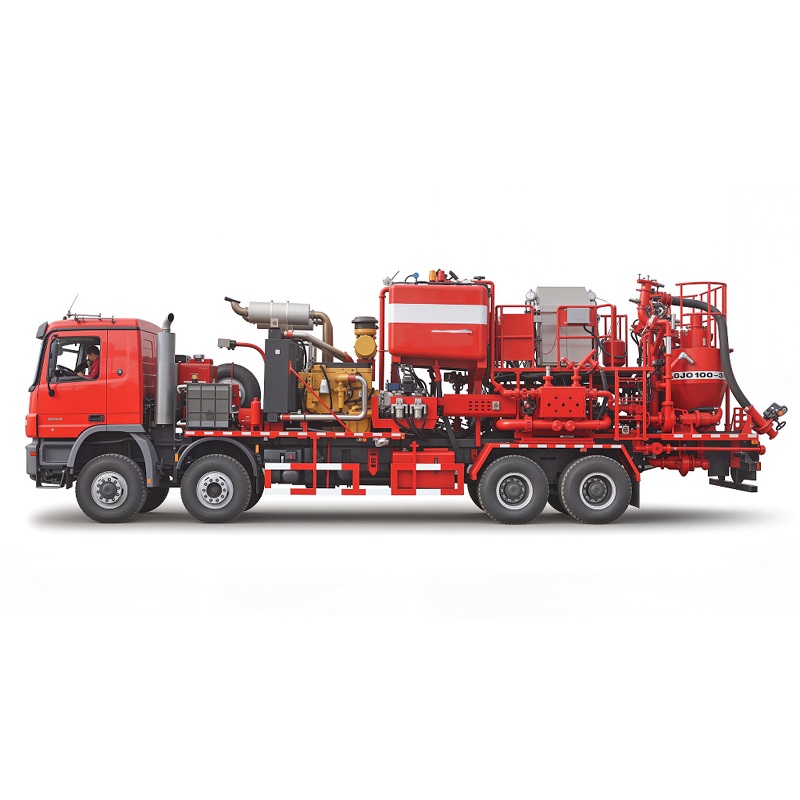
Dual-pump configuration for higher throughput and redundancy. For demanding cementing operations.
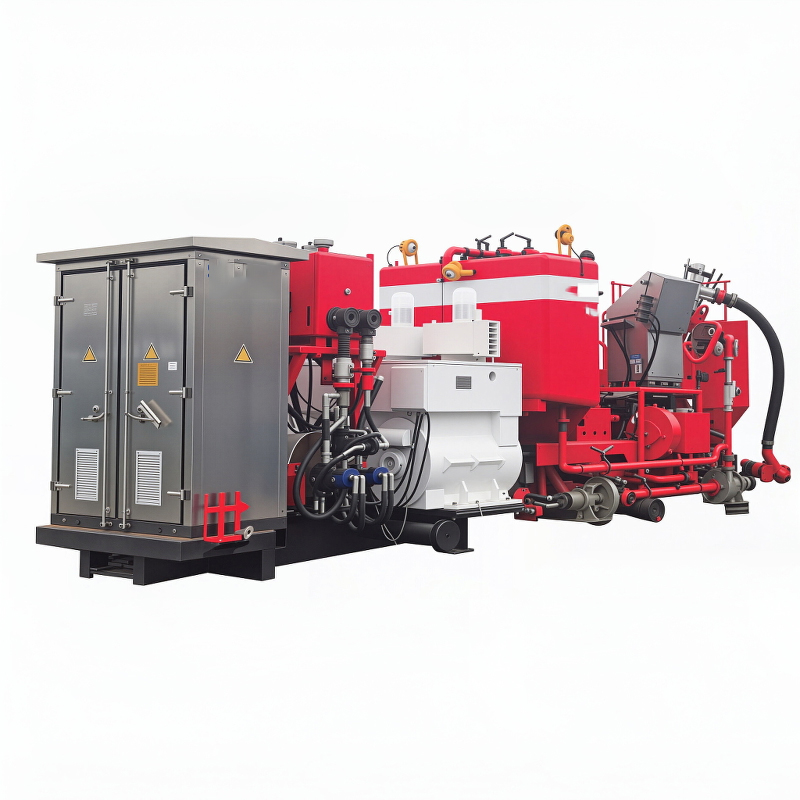
Fully custom truck mounted cementing system designed to your specific well requirements and operating environment.
Truck mounted units are built onto a dedicated truck chassis —everything is self-contained on one vehicle. Trailer mounted units are towed behind a separate truck. Truck units are more convenient (one vehicle, ready to go) but more expensive. Trailer units are cheaper but require a separate tow vehicle. If you want the simplest, most straightforward setup, truck mounted is the classic choice. If you're watching your budget and already have trucks, trailer mounted works well.
It depends on the weight of the cementing unit. A typical single-pump unit might weigh 15-20 tons loaded. You'll need a heavy-duty truck chassis —typically a 6x6 or 8x8 off-road capable truck. For twin-pump units, you'll need an even larger chassis. The truck needs to handle the weight and have sufficient power for off-road travel. Our engineering team can recommend the right chassis based on your specific unit and operating environment.
Routine maintenance: inspect the pump's fluid end for wear, check the mixing tank agitator, calibrate density instruments, lubricate all bearings, change engine oil and filters, and inspect hoses and valves for leaks. Keep a maintenance log. Replace worn components before they cause failures. The cement pump is the most critical component —pay special attention to its condition. Well-maintained equipment lasts longer and fails less often, keeping your operations running smoothly.
Tell us your required flow rate, pressure, and chassis preference. Our engineering team will recommend the right truck mounted unit and provide a quote within 48 hours.