Offshore Platform | Fixed Installation | Permanent Site

Skid Mounted Cementing Unit: Built to Stay Put

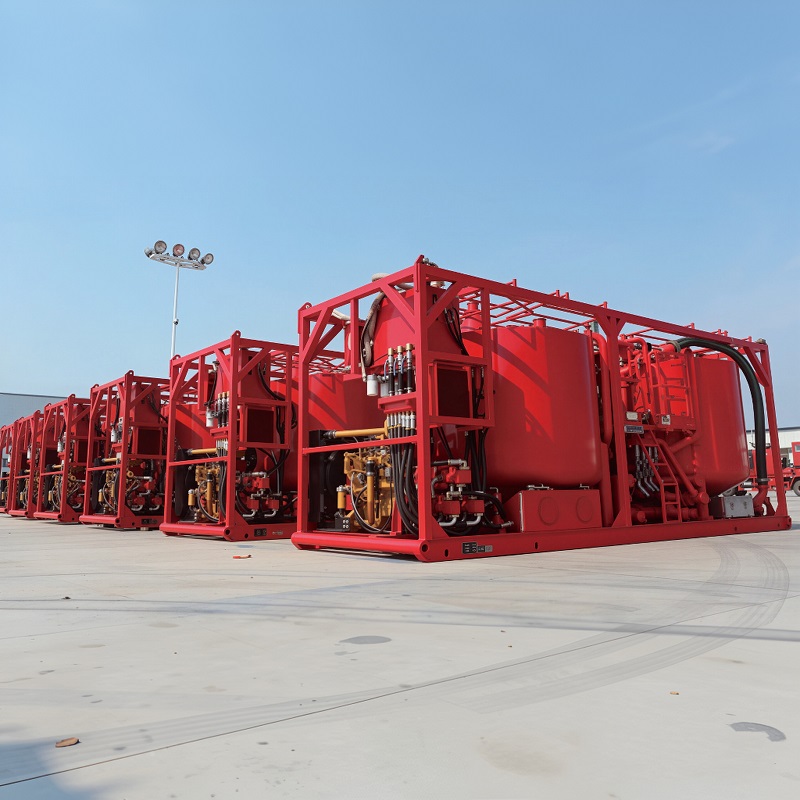
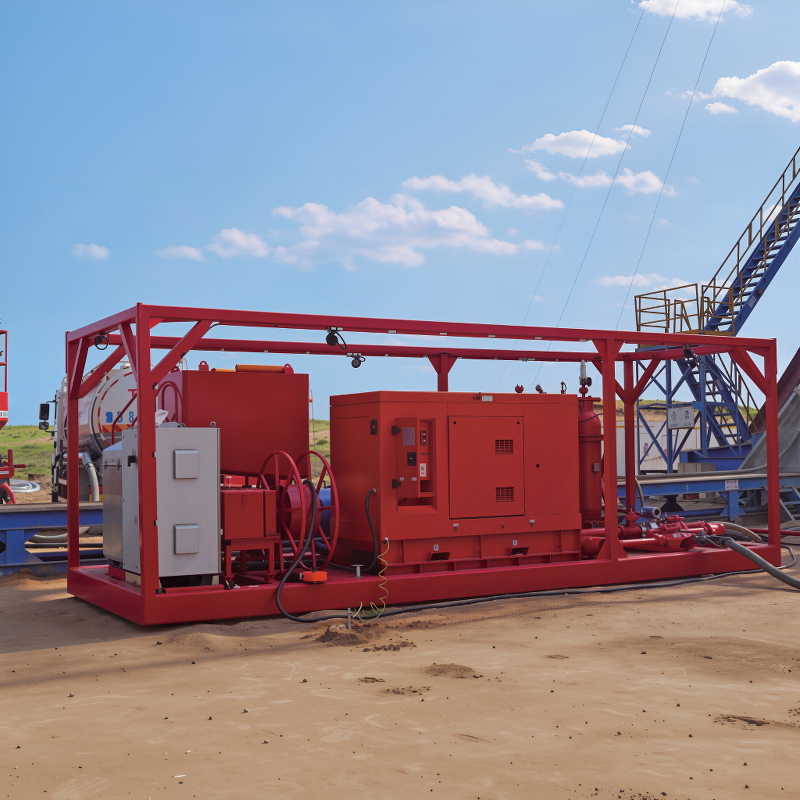
A skid mounted cementing unit mounts all cementing components —high pressure pump, batch mixer, control panel, power unit —on a common steel skid frame. It is designed for permanent or semi-permanent installation on offshore platforms, fixed well sites, or yard-based cementing services. It doesn't drive between locations; it stays where you install it.

Skid mounted cementing unit

When to Choose a Skid Mounted Unit

Skid mounted cementing units are the right choice when:

  • The unit will be permanently installed on an offshore platform or FPSO
  • You have a fixed well site or battery that needs dedicated cementing capability
  • The unit serves a central cementing yard or workshop
  • You can't use a truck due to space constraints (platform deck, small well pad)
  • The unit will run continuously in one location for months or years

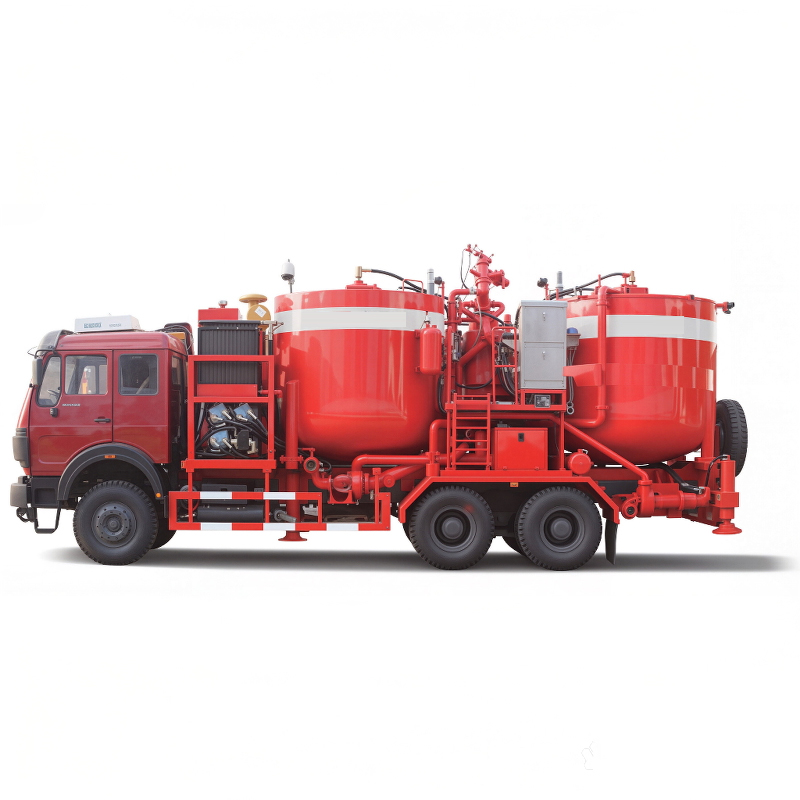
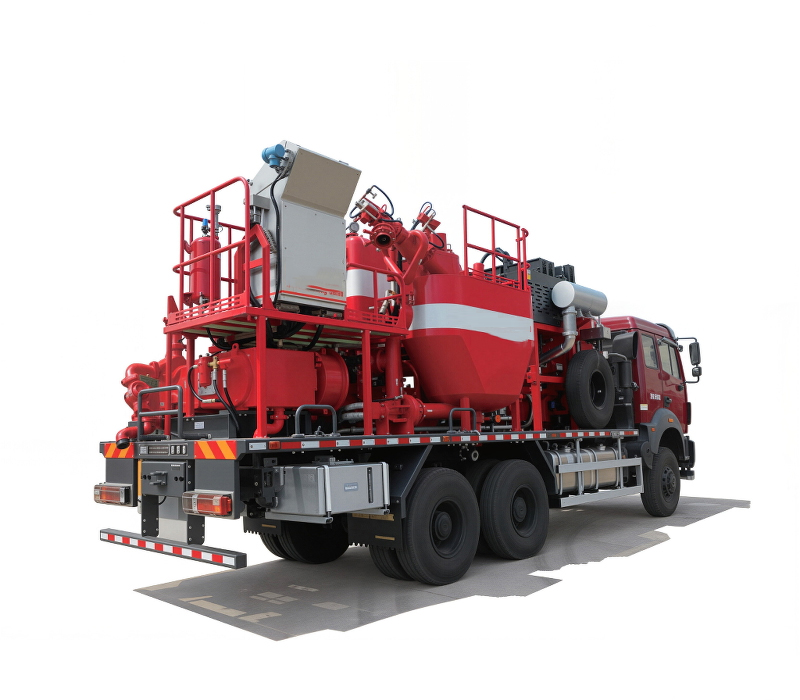
If you need to move between well sites frequently, a truck mounted cementing unit is the practical choice. Skid mounted units are for stationary operations.

Advantages of Skid Mounted Design

No Road Restrictions

The skid unit doesn't need to meet road transport regulations. It can be as large and heavy as needed without worrying about axle weight, height limits or width restrictions. You can pack more equipment onto a skid than you could fit on a truck.

Better Stability

A skid unit sits flat on the deck or foundation. It doesn't bounce on truck suspension during operation. This improves pumping stability and reduces component wear. For precision cementing work, the solid skid base is an advantage.

Easier Maintenance Access

With no truck chassis taking up space, maintenance personnel have better access to all sides of the pump, mixer and engine. Components are easier to reach and service. This reduces maintenance time and improves safety.

Modular Layout

Skid units can be split into multiple modules (pump module, mixer module, power module) for transport by crane or helicopter. This is essential for offshore platform installations where space is tight and you can't bring a full truck.

Typical Specifications

Parameter Typical Range
Pump type Triplex plunger pump, 40-70 MPa
Flow rate 100 - 250 L/min
Mixer capacity 1 - 4 batches (1-4 m³ per batch)
Power unit Diesel engine or electric motor
Skid dimensions 6-12 m long, 2.5-3 m wide (modular)
Weight 5 - 20 tons (depends on configuration)

Frequently Asked Questions

How is a skid unit transported to the platform?

Skid units are transported as modular skids. Each module is sized to fit through platform hatches or crane lifts. Typical modules weigh 5-10 tons and are moved by crane, supply boat or helicopter. On the platform, the modules are bolted together and connected with hoses and electrical lines. This is standard practice for offshore equipment installations.

Can a skid unit be converted to a truck mounted unit?

Partially. The pump, mixer and controls can be removed from the skid and remounted on a truck chassis. This is more expensive than buying a dedicated truck mounted unit because you have to design new mounting brackets and reinforce the truck frame. For occasional moves, it's better to keep the skid and use a separate truck for transport when needed.

What is the difference between a skid unit and a trailer unit?

A skid unit sits on a fixed skid base and doesn't move under its own power. A trailer unit is mounted on a wheeled trailer chassis that can be towed by a truck. Skid units are for permanent installation; trailer units are for mobile service but slower to set up than truck mounted units. If you need mobility, truck mounted is fastest. If you need stationary operation, skid is best. Trailer is a middle ground.

Need a Skid Mounted Cementing Unit?

Tell us your required pump size, mixer capacity and installation location. Our engineering team will recommend the right skid configuration and provide a quote within 48 hours.