
Multi-Well Operations
Operators who serve multiple wells in a region. Trailer units move easily between locations, keeping the equipment working where it's needed most.
A trailer mounted cementing unit offers the ultimate in mobility. Hitch it to a truck, drive to the wellsite, set up, and start cementing. No need for a dedicated truck chassis —just tow it behind any suitable vehicle. It's the most flexible and cost-effective way to move your cementing equipment between jobs. Perfect for operators who serve multiple well locations and need equipment that's ready to roll.
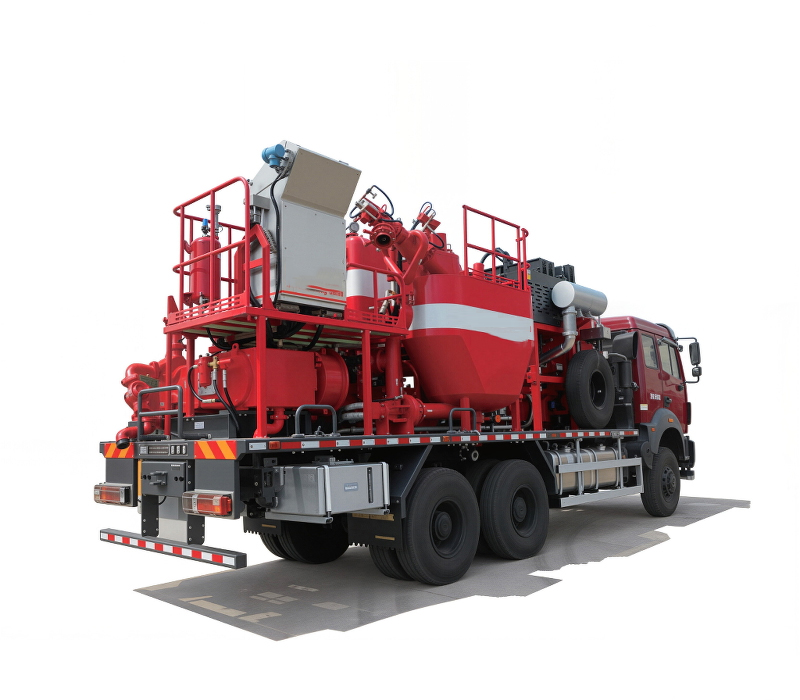
Both options get the job done, but they have different advantages:
The choice depends on your operational needs. If you need maximum flexibility and want to use existing trucks, trailer mounted is the way to go. If you prefer the convenience of a dedicated truck, truck-mounted works well.
Operators who serve multiple wells in a region. Trailer units move easily between locations, keeping the equipment working where it's needed most.
Remote drilling locations with rough terrain. Trailer units can be towed over long distances to reach remote wellsites. They're more robust than truck-mounted units for off-road travel.
Emergency cementing and well control response. Trailer units can be dispatched quickly and towed to the scene. Ready to go when you need them most.
| Parameter | Typical Range |
|---|---|
| Pump flow rate | 0.5 - 2.0 m³/min (130 - 530 gpm) |
| Pump pressure | 5 - 35 MPa (700 - 5,000 psi) |
| Mixing tank capacity | 1.5 - 2.5 m³ (400 - 660 gallons) |
| Engine power | 150 - 300 HP (diesel) |
| Trailer type | Single axle, tandem axle or tri-axle |
| Road legal | Yes (compliant with local road regulations) |
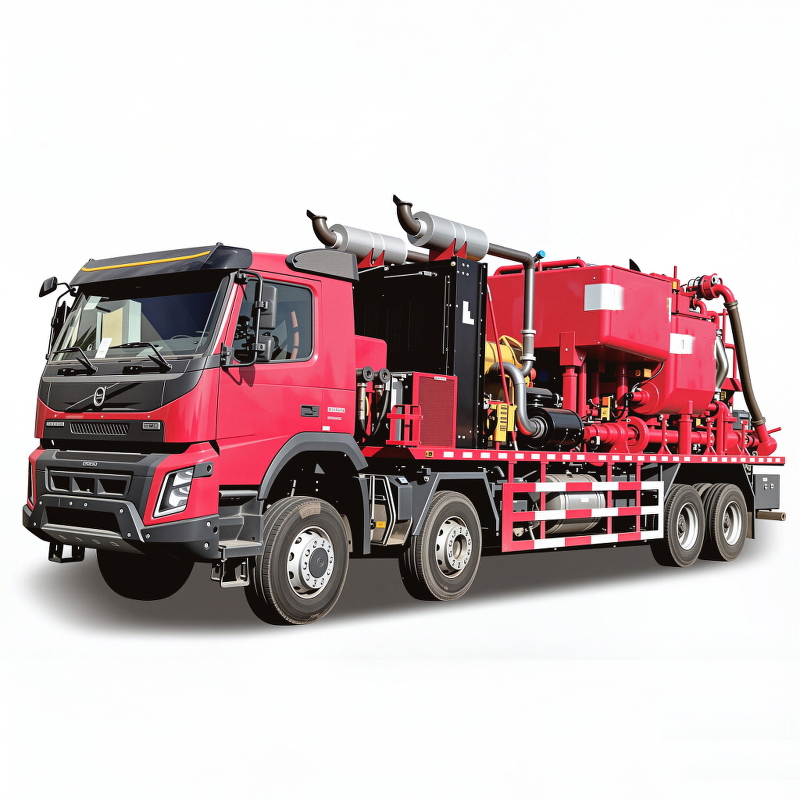
Single pump trailer mounted cementing unit for general cementing operations. Tow-behind design.
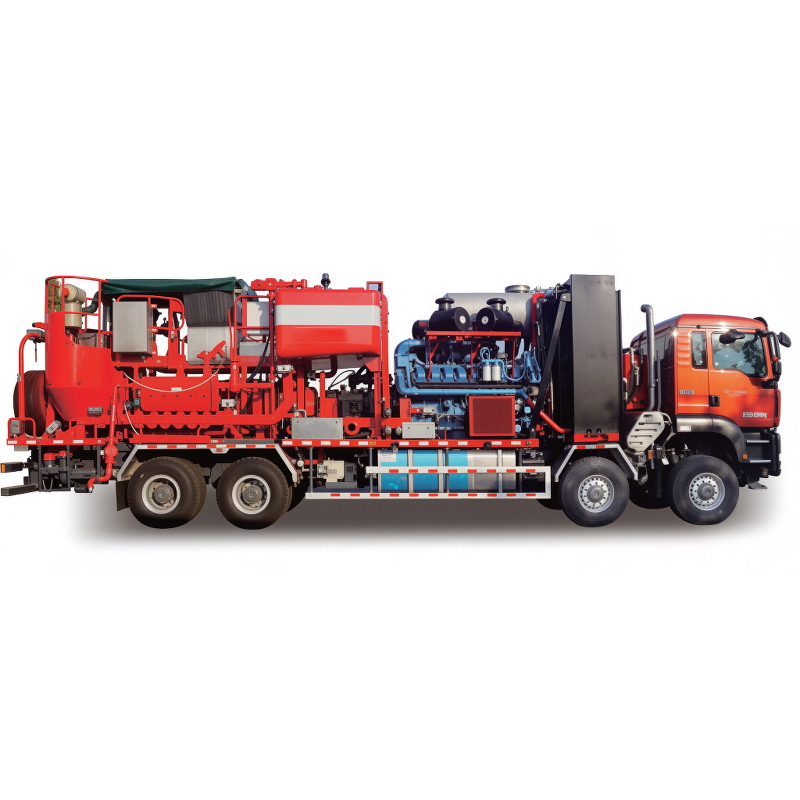
Dual-pump configuration on a trailer. Higher throughput and redundancy for demanding cementing jobs.
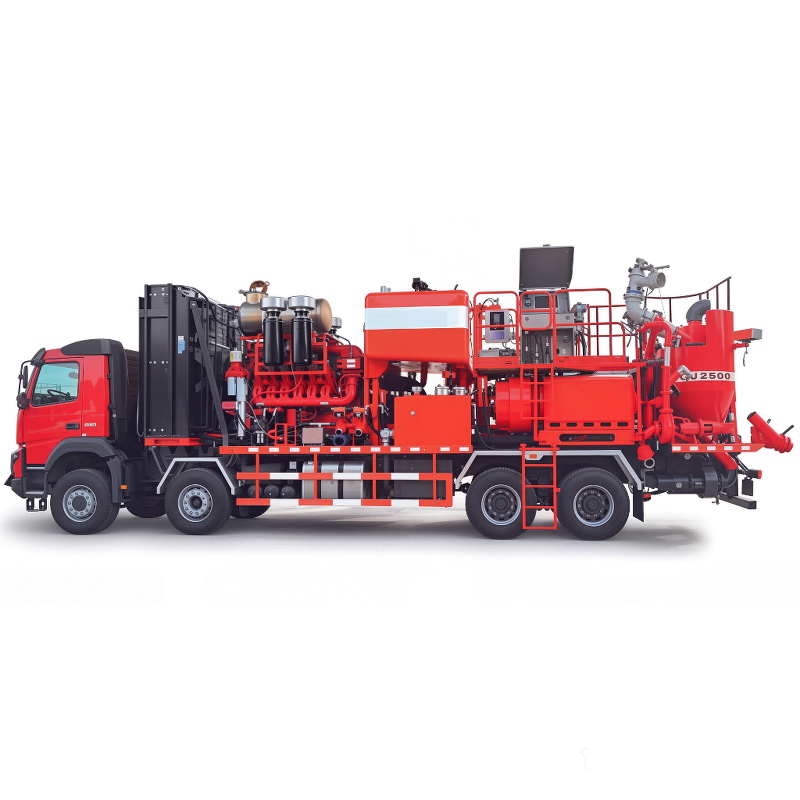
Fully custom trailer mounted cementing system designed to your specific requirements and operating conditions.
Trailer units are tow-behind —you need a separate truck to pull them. Truck units are built into a dedicated truck chassis. Trailer units are generally cheaper and more flexible (you can detach them and leave them at the wellsite). Truck units are more convenient (one vehicle, ready to go). If you already have trucks for other work, a trailer unit saves you money. If you want a dedicated cementing vehicle, truck-mounted is the classic choice.
It depends on the unit's weight. A typical single-axle trailer unit might weigh 8-12 tons. You'll need a truck with sufficient towing capacity —typically a heavy-duty pickup or medium-duty truck. Tandem or tri-axle trailers are heavier and need larger trucks. Always check the trailer's gross vehicle weight rating (GVWR) and make sure your truck can handle it. Our engineering team can recommend the right tow vehicle based on your specific unit.
Setup is straightforward: park the trailer on level ground, extend the support jacks, level the unit, connect hoses and power, and you're ready to start cementing. Most setups take 30-60 minutes. The key is getting the unit level and stable before you start pumping. Once it's set up, operation is the same as any cementing unit. Practice makes perfect —after a few setups, it becomes second nature.
Tell us your required flow rate, pressure, and trailer type. Our engineering team will recommend the right trailer mounted unit and provide a quote within 48 hours.