
Cementing Plunger Pump: The Heart of Every Cementing Unit
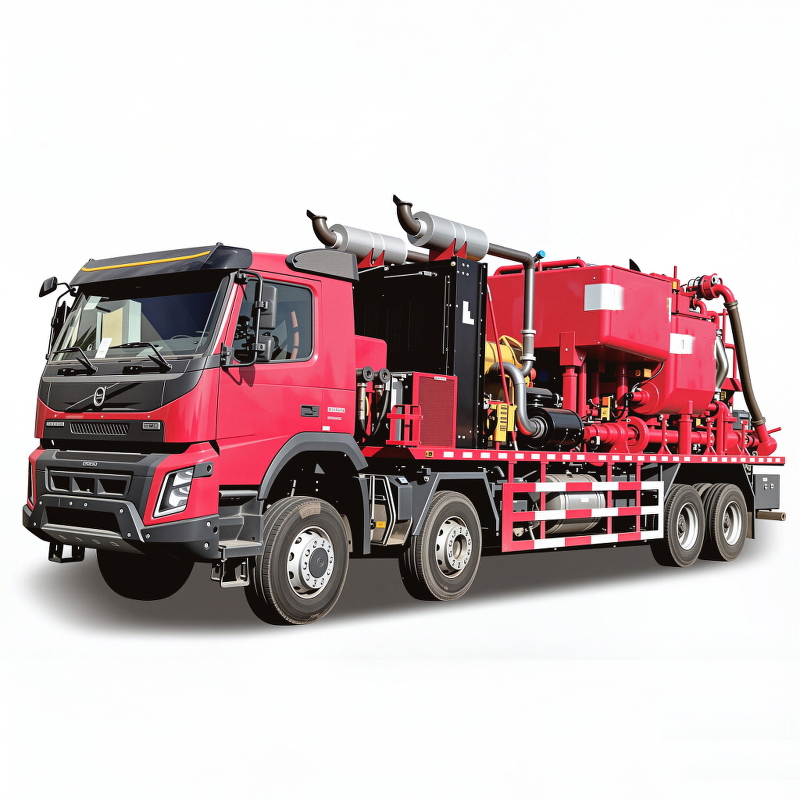
A cementing plunger pump is a triplex reciprocating pump designed to pump cement slurry at high pressure. It is the core pumping component of every cementing truck, skid or spread. It must handle the abrasive nature of cement slurry while maintaining precise pressure control.
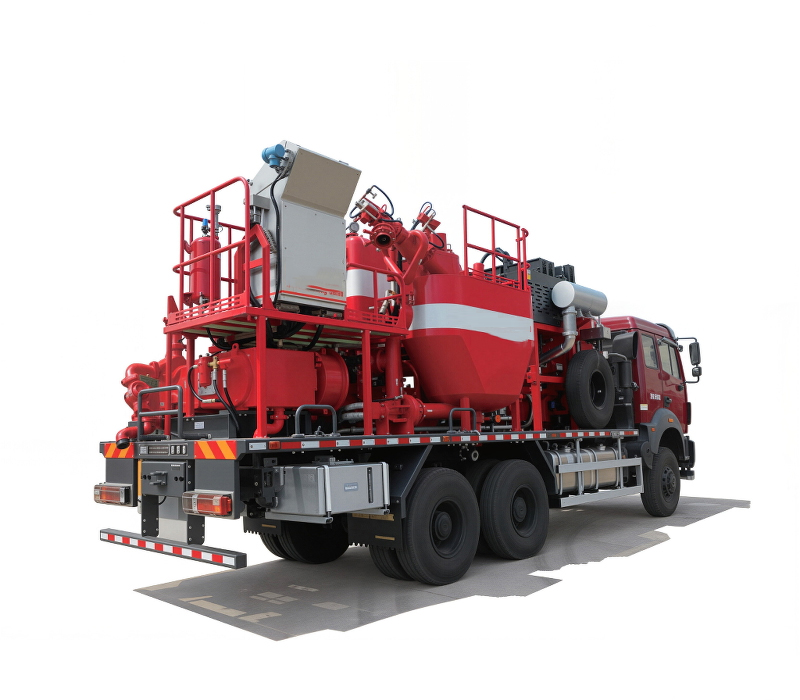
How a Cementing Plunger Pump Works
The cementing plunger pump is a triplex reciprocating positive displacement pump:
- Three plungers: Driven by a crankshaft, moving in and out of fluid cylinders
- Suction stroke: Plunger retracts, creating vacuum that draws slurry through suction valves
- Discharge stroke: Plunger extends, pushing slurry out through discharge valves
- 120-degree phasing: Three plungers operate 120 degrees out of phase for smooth flow
- Fluid end: Wetted parts (plungers, valves, cylinders) are hardened for abrasion resistance
- Power end: Crankshaft, gears and bearings driven by the prime mover
Cement slurry is highly abrasive —cement particles wear seals, valves and plungers. Cementing pumps are built with hardened fluid end components and easy-to-replace wear parts.
Typical Specifications
| Parameter | Typical Range |
|---|---|
| Pump type | Triplex plunger pump |
| Maximum working pressure | 40 - 70 MPa (5,800 - 10,000 psi) |
| Maximum flow rate | 100 - 250 L/min (26 - 66 gpm) |
| Power required | 150 - 400 HP |
| Plunger diameter | 60 - 100 mm (adjustable for different flow/pressure) |
| API standard | API 7K (drilling and well servicing equipment) |
Frequently Asked Questions
What is the difference between a cementing pump and a mud pump?
Both are triplex reciprocating pumps, but they are optimized for different fluids. Mud pumps handle drilling mud —lower pressure (typically 5-35 MPa), higher flow rate (300-1500 L/min). Cementing pumps handle cement slurry —higher pressure (40-70 MPa), lower flow rate (100-250 L/min). The fluid end materials are different: cementing pumps use hardened components for abrasive cement. Mud pumps can pump cement, but wear much faster. For serious cementing, use a dedicated cementing pump.
What are the main wear parts on a cementing pump?
The fluid end components wear out fastest due to cement abrasion: plungers (hardened cylinders that move in the cylinders), suction valves and discharge valves (valve seats, valve bodies, springs), and packing/seals around the plungers. These are all replaceable wear parts. A typical cementing pump needs valve replacements every 200-500 hours and plunger/packing replacements every 500-1000 hours. Keep spare parts on hand to minimize downtime.
How do I change the flow rate and pressure on a cementing pump?
You change the plunger size to adjust flow and pressure. Smaller plungers = lower flow, higher pressure. Larger plungers = higher flow, lower pressure. The plungers are replaced as a set. Changing plungers takes 2-4 hours. You also adjust engine speed (RPM) for fine control of flow rate within the current plunger size range. The driller uses a combination of plunger size and engine speed to achieve the desired flow and pressure.
Need a Cementing Plunger Pump?
Tell us your required pressure, flow rate and mounting preference. Our engineering team will recommend the right pump configuration and provide a quote within 48 hours.