
Twin Pump Cementing Truck: Dual-Pump Reliability for Critical Cementing
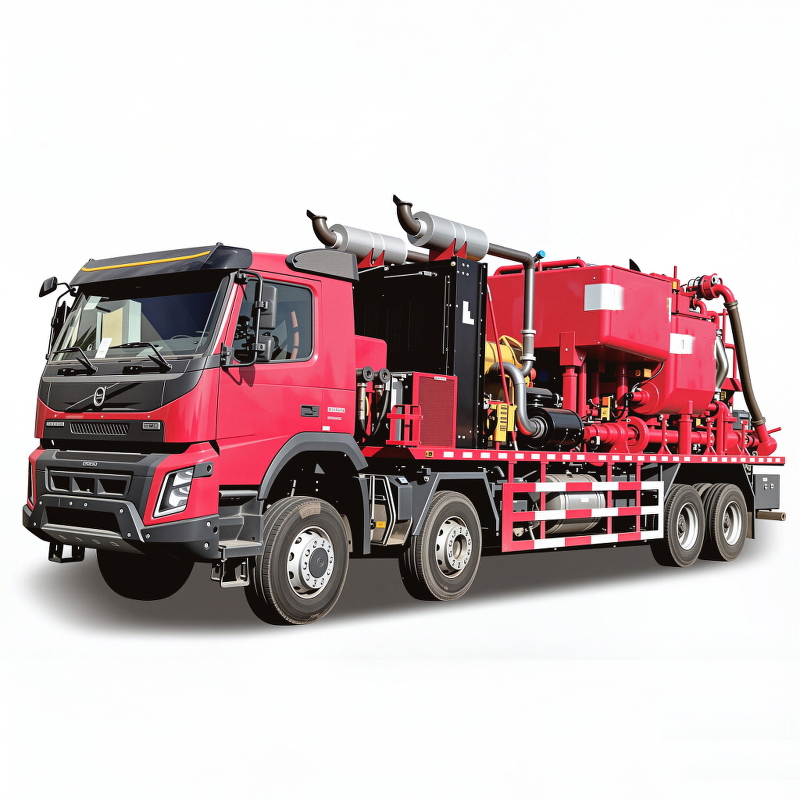
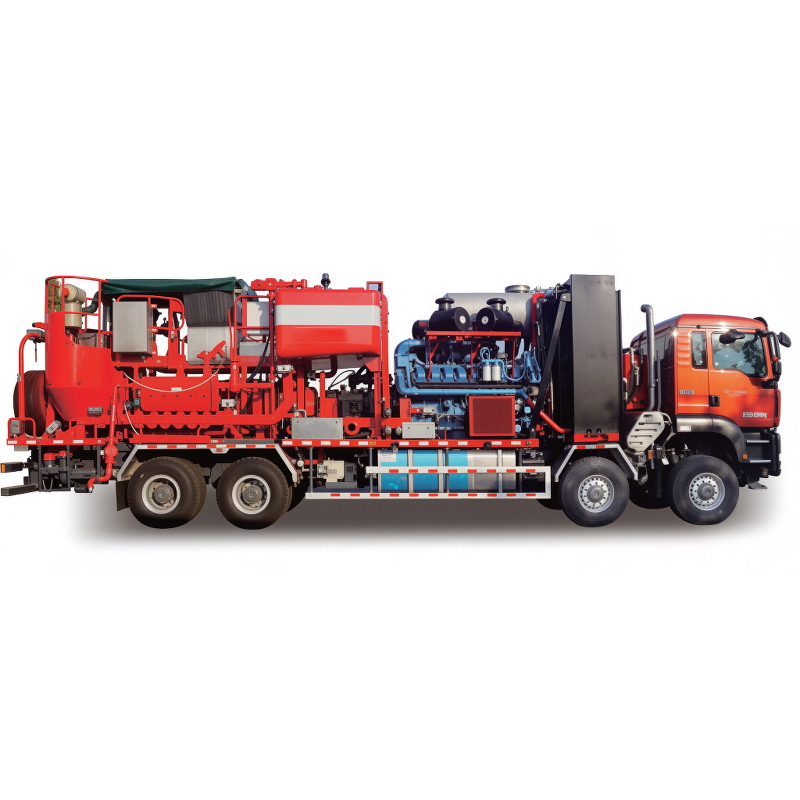
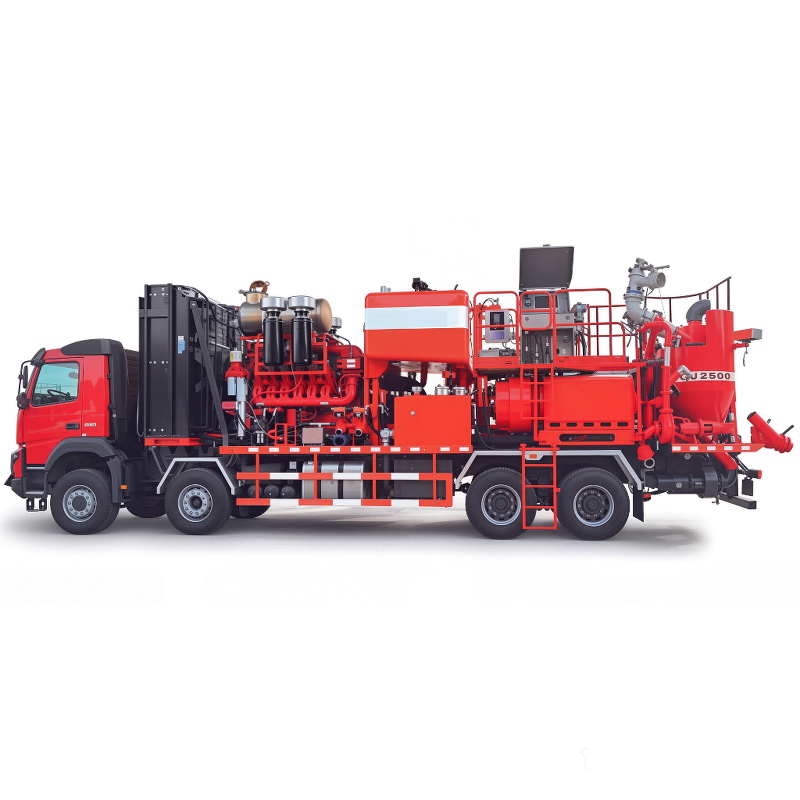
A twin pump cementing truck carries two triplex plunger pumps on a single truck chassis. The dual-pump design provides redundancy —if one pump needs maintenance, the other can continue. Combined flow rate is roughly double that of a single pump unit, making it suitable for primary cementing of large casing strings and deep wells.
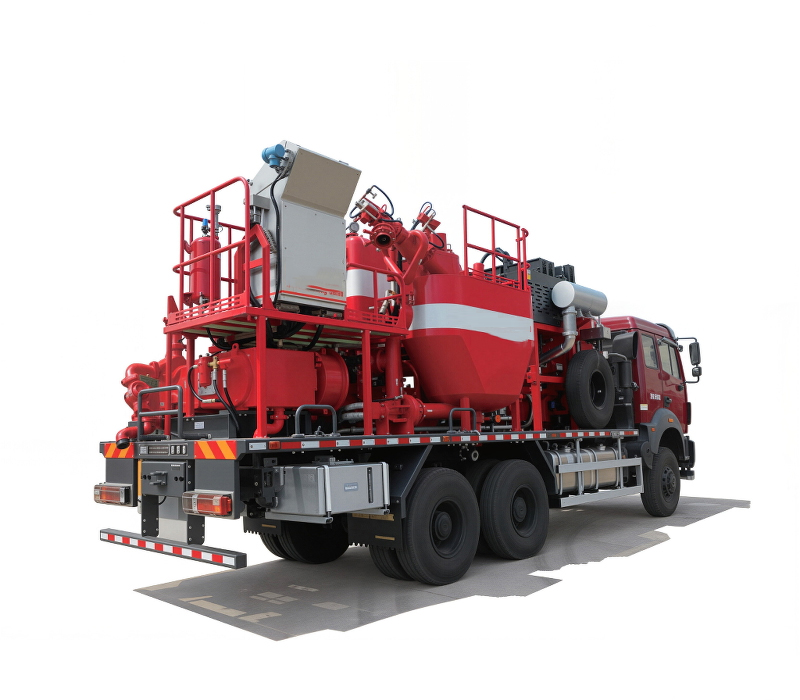
Why Choose a Twin Pump Unit?
Dual-pump cementing trucks are the standard for serious cementing service companies because:
- Redundancy: Critical cementing operations cannot be interrupted. If one pump fails mid-job, the second pump takes over immediately.
- Higher flow: Two pumps manifolded together deliver 300-500 L/min combined —enough for large casing displacements in a single placement.
- Flexibility: Run both pumps for high-flow jobs, or run one pump for smaller jobs and keep the other as backup.
- Shared infrastructure: One truck chassis, one operator cabin, one mixing system —better value than two separate single-pump trucks.
Twin pump units are the workhorse of cementing fleets. They are more expensive than single pump units, but for any operation where cementing quality and reliability matter, the dual-pump design is the standard choice.
Typical Specifications
| Parameter | Typical Range |
|---|---|
| Pump configuration | Two triplex plunger pumps, manifolded |
| Max working pressure | 70 MPa |
| Combined flow rate | 300 - 500 L/min |
| Engine power (each pump) | 400 - 600 HP |
| Mixing capacity | 2 - 4 m³ batch mixer |
| Truck chassis | 8x4 heavy duty |
Frequently Asked Questions
Can I run only one pump at a time?
Yes. The two pumps are independent —each has its own engine, fluid end, and controls. You can run one pump for smaller jobs (shallow well, remedial cementing) and save wear on the second pump. For high-flow primary cementing, you run both pumps manifolded together. This flexibility is one of the main advantages of the twin pump design.
What happens if one pump fails mid-job?
The second pump continues operating. The driller sees a pressure drop but the cementing operation doesn't stop. This redundancy is critical for primary cementing —interrupting a cement job can result in a week of delay and thousands of dollars in remediation. The failed pump can be repaired after the job is complete, without interrupting the cement placement.
How does twin pump compare to two single pump trucks?
Two single pump trucks offer the same combined flow and redundancy, but require two chassis, two drivers, and separate mixing systems. A twin pump truck shares the chassis, cab, and mixing system —it is more compact, easier to mobilize, and more cost-effective. The trade-off is that a twin pump truck is larger and heavier than a single unit. For most cementing fleets, the twin pump truck is the better balance of capacity and cost.
Need a Twin Pump Cementing Truck?
Tell us your required pressure, combined flow rate and preferred chassis. Our engineering team will recommend the right configuration and provide a quote within 48 hours.