
1. Slurry Preparation
Cement powder is transferred from bulk silos or tanks to the mixing hopper. Water and chemical additives are metered into the mixer to achieve the target slurry density and rheology.
A truck-mounted cementing truck integrates a high-pressure plunger pump, mixing system, additive injection and control cabin on a single heavy-duty chassis. It provides the mobility and pumping capacity required for primary cementing, squeeze cementing and plug operations across onshore oil and gas fields.
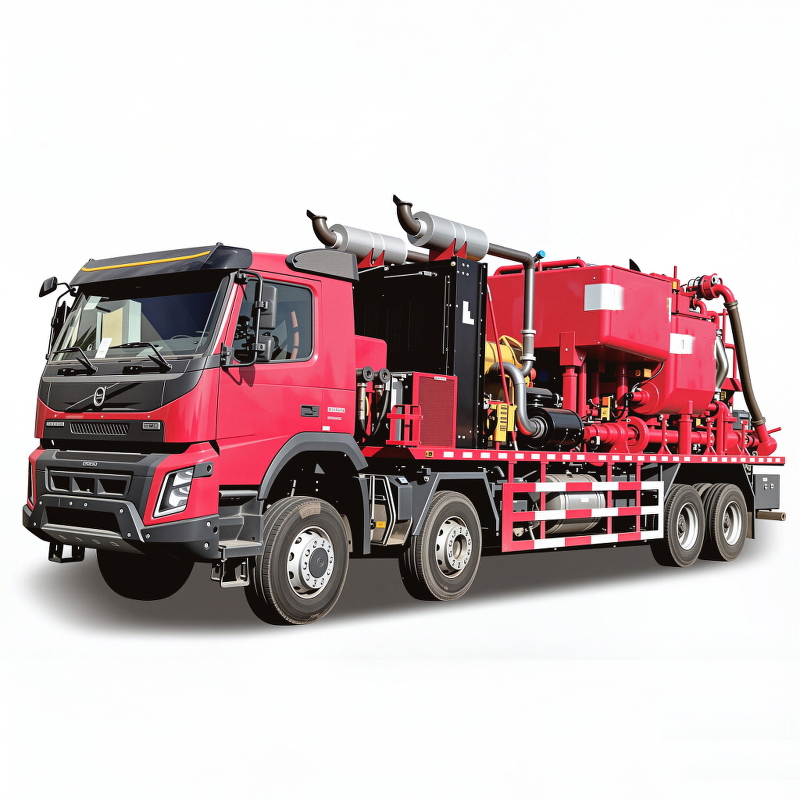
A cementing truck combines fluid delivery, slurry mixing and real-time control in one mobile package. Here is the operating sequence:
Cement powder is transferred from bulk silos or tanks to the mixing hopper. Water and chemical additives are metered into the mixer to achieve the target slurry density and rheology.
The 5-cylinder plunger pump draws mixed slurry from the recirculation tank and discharges it at high pressure through the discharge line to the wellhead. Pressure and flow are controlled from the operator cabin.
After the cement plug, displacement fluid pushes the cement to the target depth. Real-time pressure, rate and density data is logged for job records and post-job analysis.
Our cementing truck lineup covers shallow workover operations to deep HPHT well cementing. Choose the configuration that matches your well depth and pressure requirements.
| Model | Working Pressure | Max Displacement | Pump Configuration | Suitable Well Depth |
|---|---|---|---|---|
| SGJ400 | 15 MPa (2,175 psi) | 1.2 m³/min | Single 5-cylinder plunger | Up to 1,500 m (workover) |
| SGJ600 | 21 MPa (3,045 psi) | 1.8–2.6 m³/min | Single 5-cylinder plunger | 1,500–3,000 m (primary cementing) |
| SGJ1000 | 21 MPa (3,045 psi) | 2.6 m³/min | Single high-output plunger | 3,000–4,500 m (deep well) |
| SGJ1600 | 28 MPa (4,060 psi) | 2.8 m³/min | Single high-pressure plunger | 4,500–6,000 m (HPHT) |
| SGJ350 Twin | 25 MPa (3,625 psi) | 2 × 1.5 m³/min | Twin plunger pumps (redundant) | Critical wells, primary cementing |
| SGJ2500 | 38 MPa (5,510 psi) | 3.2 m³/min | High-power single pump | Ultra-deep, sour service wells |
Cementing trucks are used across the full well construction and intervention lifecycle. Here are the most common job types:
Casing and liner cementing for new wells. Requires consistent slurry density, controlled displacement rate and reliable pressure monitoring to ensure zonal isolation.
High-pressure squeeze treatments to repair casing leaks, seal channeling behind casing or plug thief zones. Requires precise pressure control and metering.
Cement plug placement for well abandonment, sidetracking or temporary suspension. Multiple plug sequences may be required for long-term isolation.
Remedial cementing during workover operations: liner hanger setting, perforation patching, water shutoff and squeeze treatments. Often performed in remote locations.
Browse our standard truck-mounted cementing units. Every model can be customized to match your chassis preference, climate conditions and well program.
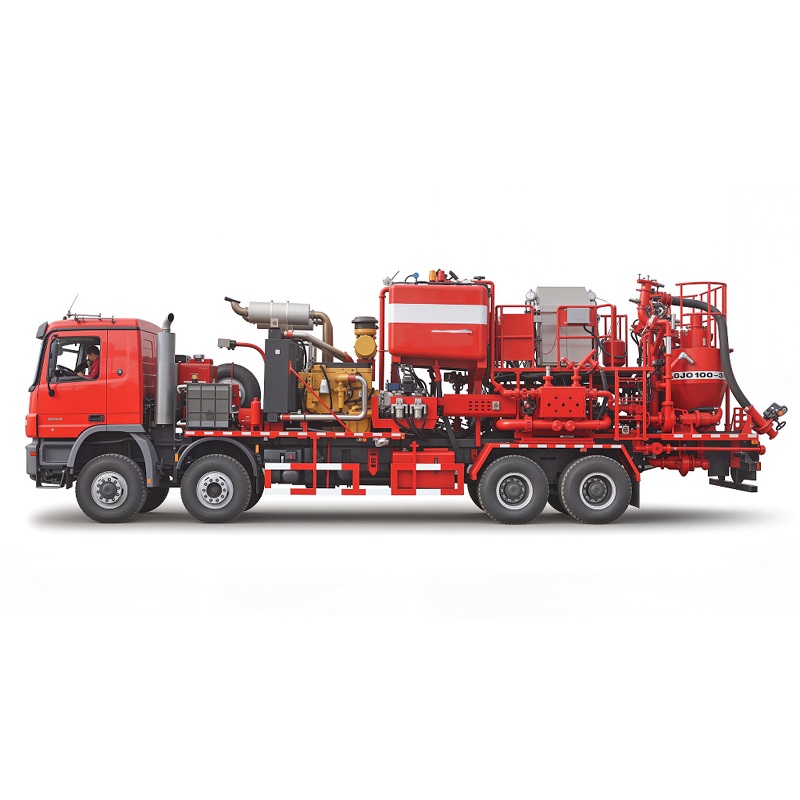
21 MPa, PLC-controlled, single pump for medium-depth well primary cementing.
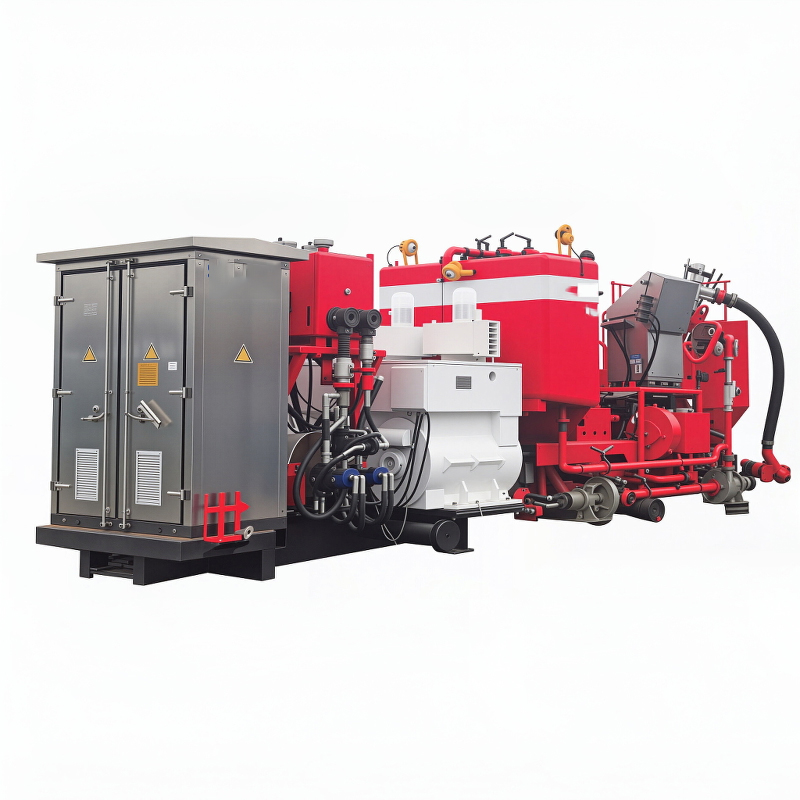
21 MPa, 2.6 m³/min high-output pump for deep well cementing operations.
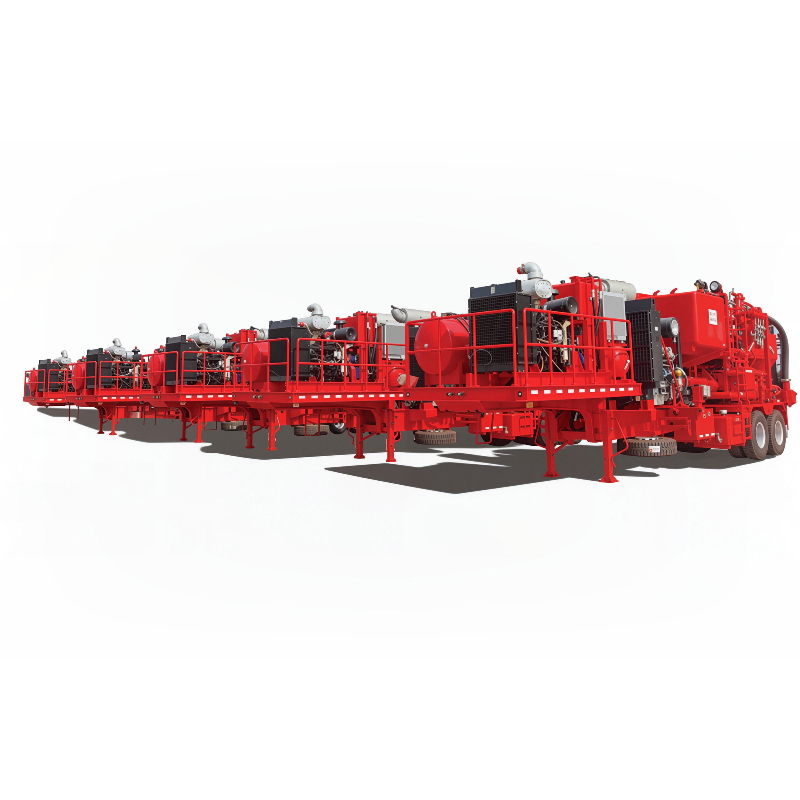
High-temperature rated, dust-sealed electrical system for 50°C desert operations.
Selecting the right cementing truck depends on your well program, operating environment and mobility requirements. Here is a quick decision guide:
You deal directly with the manufacturer. Engineering, fabrication, testing and after-sales support are all handled in-house.
Over 500 cementing trucks delivered to operators and service companies in the Middle East, Central Asia, Africa and South America.
Pump ends, fluid modules and control components are interchangeable across our product line, reducing your spare parts inventory.
Our engineers support commissioning, operator training and troubleshooting on-site or remotely via video call.
A single pump unit is simpler, more cost-effective and sufficient for most standard cementing jobs. A twin pump configuration provides pumping redundancy —if one pump requires maintenance during a critical job, the second pump can continue the operation. Twin pump units are typically specified for deep wells, HPHT wells or where job continuity is critical.
Yes. We can mount the cementing equipment on chassis from major manufacturers (Dongfeng, Sinotruk, Shacman, Volvo, Mercedes-Benz) depending on your local road regulations and weight limits. We also provide trailer-mounted and skid-mounted alternatives for locations where road transport is restricted.
Standard configuration units take approximately 6–8 months from order confirmation. Custom configurations (special climate packages, electric drive, offshore rated) may require 8–10 months. We also maintain a limited inventory of near-stock units that can be delivered in 60–90 days.
Yes. We offer on-site commissioning and operator training at your location. Our engineers cover equipment familiarization, normal operating procedures, maintenance routines and troubleshooting. Remote video support is also available for ongoing operational questions.
Our standard product line covers 15 MPa (2,175 psi) to 38 MPa (5,510 psi) working pressure. For specialized applications such as high-pressure squeeze cementing or ultra-deep wells, we can design custom units up to 70 MPa working pressure based on your specific well program.
Send us your well depth, required pressure and displacement, and operating conditions. Our engineering team will recommend the right model and provide a detailed quotation within 48 hours.