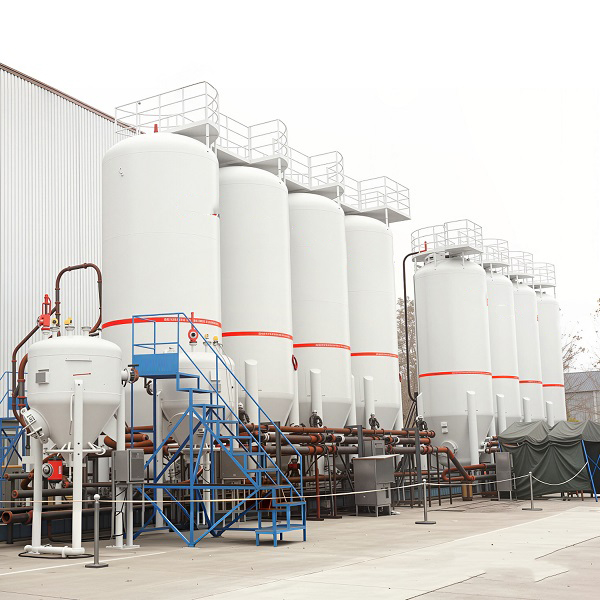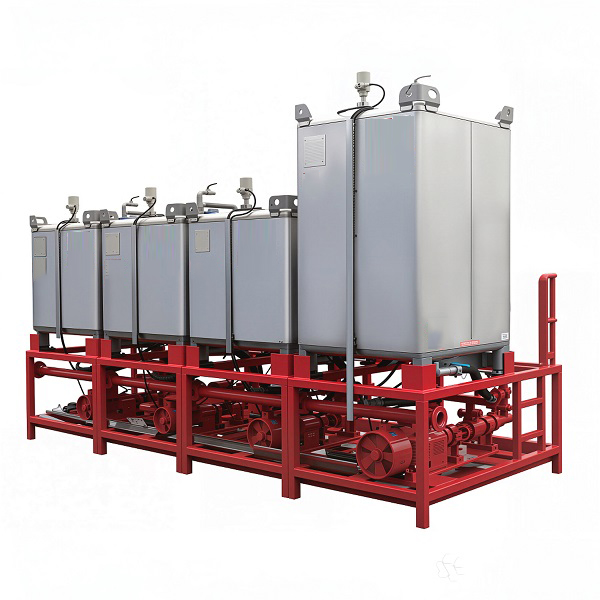
Introduction and application notes
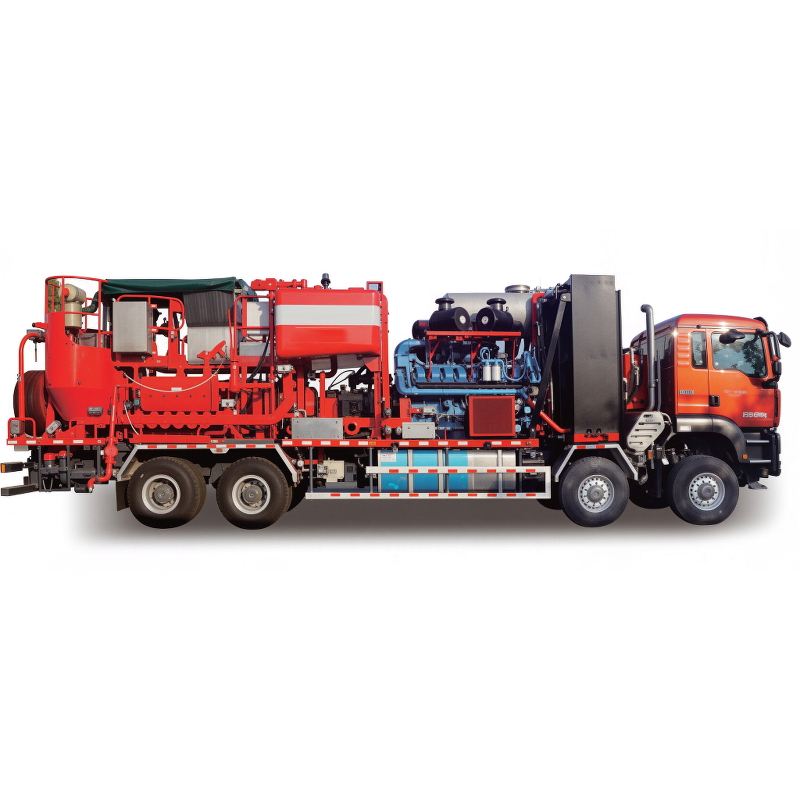
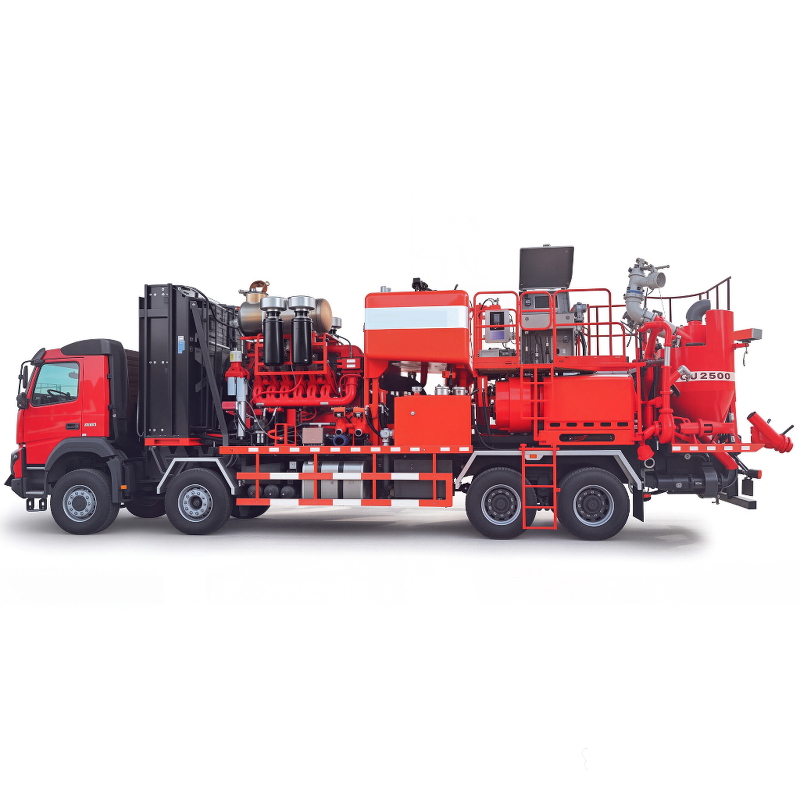
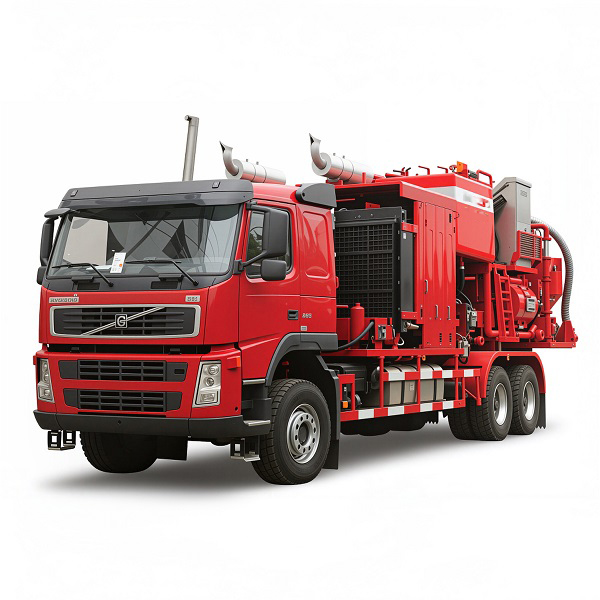
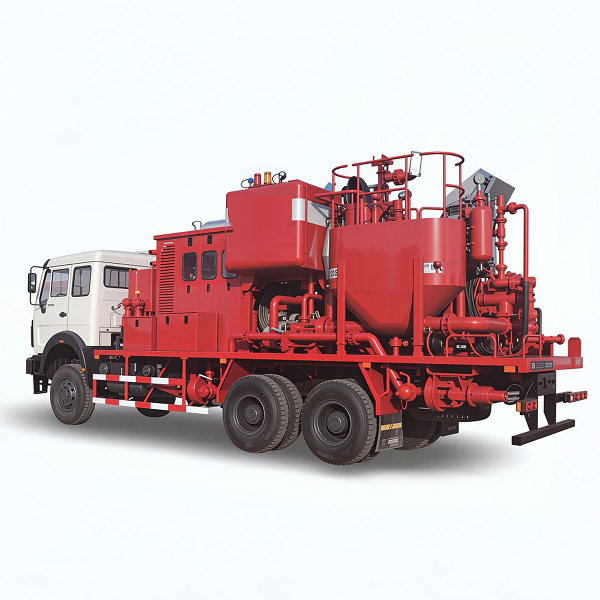
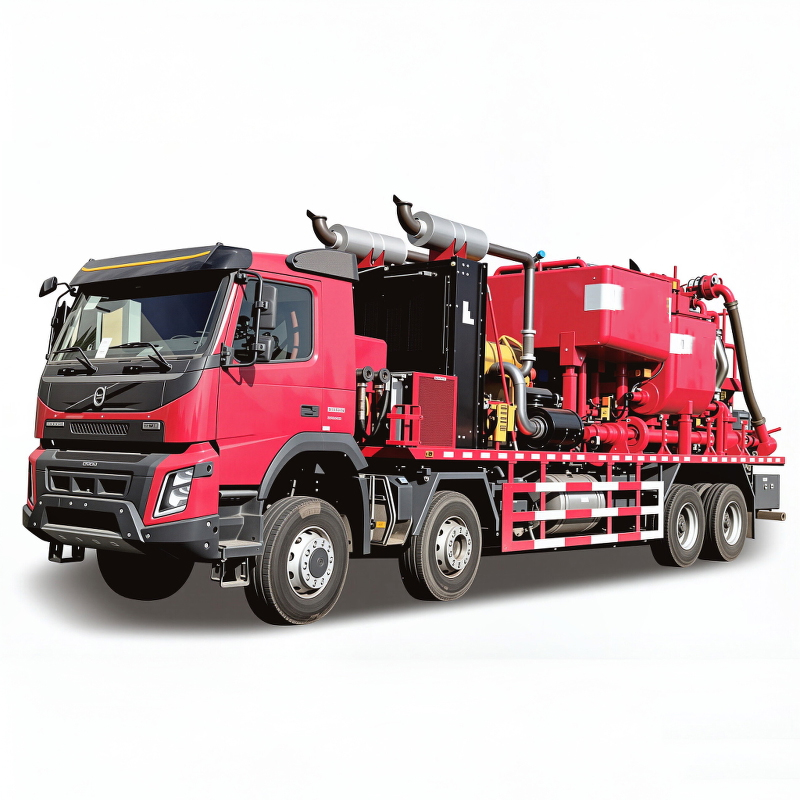
Sgj1000 21 Single Pump Cementing Truck is positioned as a truck-mounted mobile cementing spread for slurry mixing and placement.
What this model is built to handle
Buyers usually compare the sgj1000 21 single pump cementing truck against the installed footprint first, because transport format and site access can decide whether the unit fits the spread at all.
A sourcing team can move faster when working envelope, field-side control, and truck-mounted are known early, especially on projects that need fast quotation and fewer technical clarifications.
Where timing matters, buyers tend to choose the unit that gives the cleanest balance between 1000, field support, and the job's installation window.
What buyers usually compare
Field footprint
The truck-mounted layout helps the package fit the way the job is mobilized.
Operating envelope
The operating window matters most when the project has a clear installation and performance target.
Drive logic
Its control logic is set up to keep operation predictable when the job cycle changes.
Inspection access
Maintenance access is kept clear around the main service points and connection zones.
Where the package fits best
Primary job
deep and ultra-deep cementing jobs with a need for truck-mounted setup.
Site condition
Its fit becomes clearer on projects where field operation and field access both matter.
Comparison point
land or desert spreads that need stable slurry handling with field-side control and 1000.
Main assembly and field interfaces
Main assembly
This package centers on the main mobile cementing spread assembly, so the field crew can understand the operating chain quickly.
Drive system
Drive and control elements are arranged so the crew can work with fewer unnecessary steps.
Site setup
The truck-mounted format helps the package move from transport to installation without losing practical access.
Accessories and interfaces
The support interfaces matter because they decide how quickly the package connects to the rest of the spread.