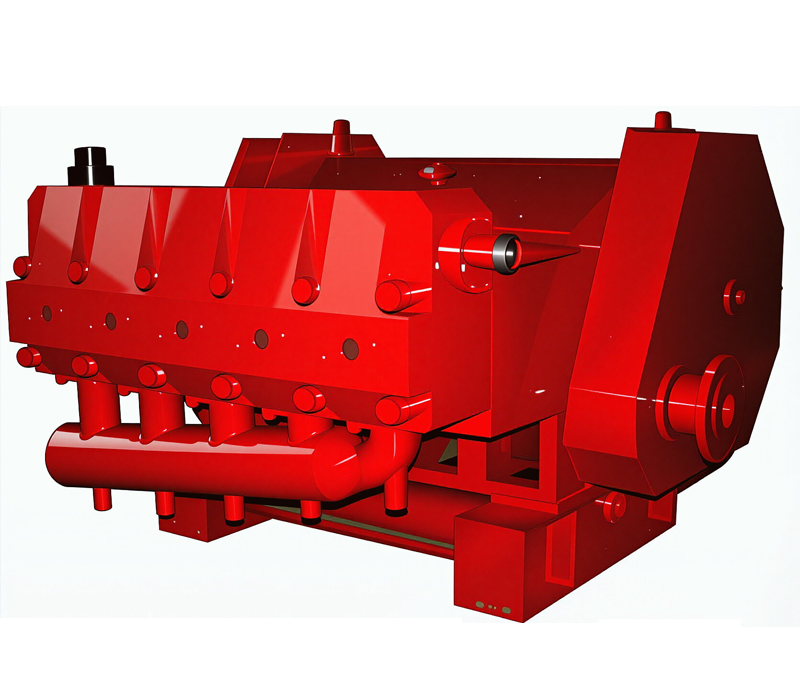
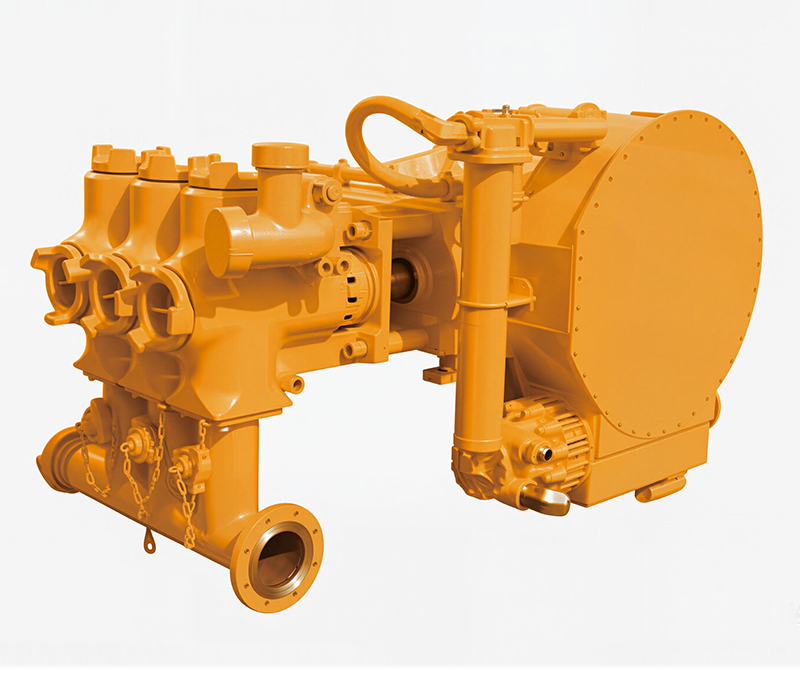
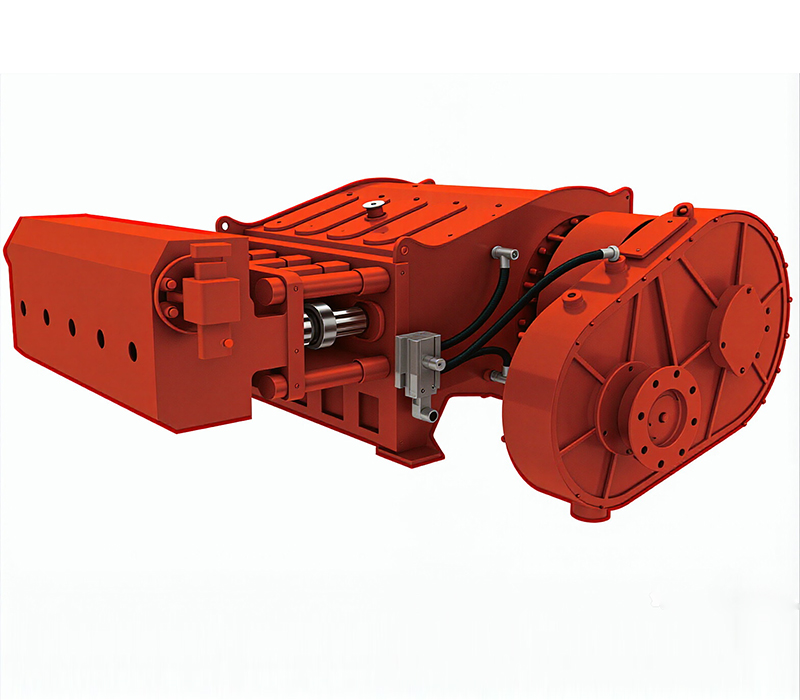
Smooth Flow
Three plungers operating 120 degrees out of phase provide relatively smooth flow. The flow pulses overlap, reducing pulsation compared to a single or double plunger pump. This reduces stress on piping and downstream equipment.
A triplex plunger pump is a reciprocating pump with three plungers operating 120 degrees out of phase. It is the most common type of high-pressure pump in the oil and gas industry —used for cementing, workover, well testing and general high-pressure pumping.
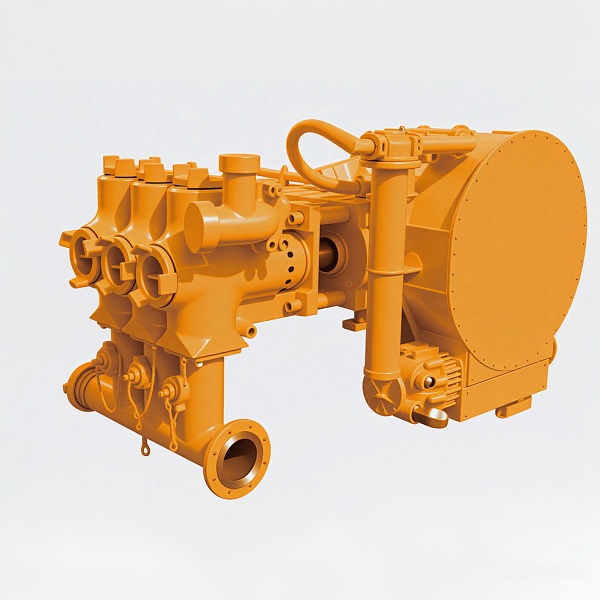
The triplex design has become the industry standard for good reason:
Three plungers operating 120 degrees out of phase provide relatively smooth flow. The flow pulses overlap, reducing pulsation compared to a single or double plunger pump. This reduces stress on piping and downstream equipment.
With only three plungers (vs five in a quintuplex), the pump is simpler and more reliable. Fewer moving parts means fewer things to go wrong. Triplex pumps are easier to maintain and repair in the field.
Triplex pumps are less expensive than quintuplex pumps of similar capacity. They use less material, are simpler to manufacture, and require less maintenance. This makes them the most cost-effective choice for general oilfield service.
Triplex pumps can achieve higher pressures than quintuplex pumps of similar size. The smaller number of plungers means each plunger is larger relative to the pump frame, allowing higher force and thus higher pressure.
Triplex pumps have been the workhorse of the oilfield for decades. They are well understood, widely used, and supported by a global supply chain of spare parts and service technicians. This makes them a safe choice.
Triplex pumps handle a wide range of fluids and applications: water, mud, cement slurry, acid, chemicals. They can be configured for different flow rates and pressures by changing plunger sizes. This versatility makes them suitable for many different jobs.
| Model Size | Plunger Diameter | Flow Rate | Max Pressure | Power Required |
|---|---|---|---|---|
| Small (300 HP) | 1.5" - 2.5" | 100 - 200 L/min | 35 - 70 MPa | 200 - 300 HP |
| Medium (500 HP) | 2" - 3" | 200 - 350 L/min | 25 - 50 MPa | 400 - 500 HP |
| Large (800 HP) | 2.5" - 3.5" | 300 - 500 L/min | 15 - 35 MPa | 600 - 800 HP |
| XL (1000+ HP) | 3" - 4" | 400 - 700 L/min | 10 - 25 MPa | 800 - 1200 HP |
The primary application for triplex cementing pumps. They pump cement slurry down the casing during primary and remedial cementing. Cement service requires special fluid end materials to handle abrasive cement particles. Pressure ratings typically 20-40 MPa (3,000-6,000 psi).
Triplex workover pumps pump treatment fluids during well workover operations. They handle acids, scale inhibitors, brine, and other treatment fluids. Versatile and reliable for a wide range of workover tasks. Pressure ratings typically 35-70 MPa (5,000-10,000 psi).
Triplex pumps are used for well testing: pumping kill fluid, well control operations, and pressure testing. These applications require precise pressure control and reliable performance. The pump must handle the well's maximum expected pressure safely.
Smaller triplex pumps can be used for mud circulation on smaller drilling rigs. They circulate drilling mud down the drill string and back up the annulus. Larger drilling operations use larger mud pumps (duplex or triplex mud pumps).
Changing plunger size is the easiest way to adjust a triplex pump's performance:
Use for: High-pressure, low-flow applications. Deep well workover, high-pressure well testing, ultra-high-pressure cementing. Flow rate: 100-200 L/min. Max pressure: 50-70 MPa (7,500-10,000 psi).
Use for: General-purpose cementing and workover. The most common size range. Good balance of flow rate and pressure. Flow rate: 200-400 L/min. Max pressure: 25-50 MPa (3,500-7,500 psi).
Use for: High-flow, moderate-pressure applications. Large-volume cementing, mud pumping, water transfer. Flow rate: 400-700 L/min. Max pressure: 10-25 MPa (1,500-3,500 psi).
Most triplex pumps allow changing plunger size in the field. The fluid end modules can be removed and replaced with different size plunger modules. This is a relatively simple operation that can be done in a few hours with basic tools.
Browse our triplex plunger pump lineup. All pumps are API 7K certified and available with various configurations.
A triplex pump has three plungers; a quintuplex pump has five. Quintuplex pumps provide smoother flow (less pulsation) and higher flow rates. Triplex pumps are simpler, cheaper, and can achieve higher pressures. Triplex is the standard for general oilfield service (cementing, workover). Quintuplex is used for high-flow applications like hydraulic fracturing where very large flow rates are needed.
Start with your required flow rate and pressure. Calculate the required horsepower (HHP = flow x pressure / 1714). Then choose a pump size that provides enough horsepower for your application. Consider the fluid type (abrasive fluids need special materials). Choose between diesel or electric drive based on your power availability. Pick the mounting configuration (truck, trailer, skid) based on your operating conditions.
Triplex pumps can be used for small-scale fracturing or for pressure testing, but they are not the primary pump for large-scale hydraulic fracturing. Large frac jobs use quintuplex pumps (5-plunger) that can handle much higher flow rates. Multiple quintuplex pumps are manifolded together for large frac jobs. If you only do small fracturing operations, a triplex pump may be sufficient.
API 7K (Specification for Drilling and Well Servicing Equipment) is the primary standard for oilfield triplex pumps. It covers design, manufacturing, testing and inspection. API 674 (Rotodynamic Pumps) applies to general industrial pumps but is less common for oilfield service. Look for API 7K certification when purchasing an oilfield triplex pump.
The cost depends on size and configuration. A small 300 HP triplex pump may start from USD 30,000-60,000. A medium 500 HP pump typically costs USD 80,000-150,000. A large 800+ HP pump can cost USD 150,000-300,000 or more. Truck mounted units include the truck chassis cost. Skid mounted units are slightly cheaper. Electric drive units may cost more upfront but save on operating costs.
Tell us your required flow rate, pressure rating and typical application. Our engineering team will recommend the optimal triplex pump configuration and provide a detailed quotation within 48 hours.