Drilling Fluid | Mud Circulation | Well Control

Circulation Pump: Keeping the Fluid Moving

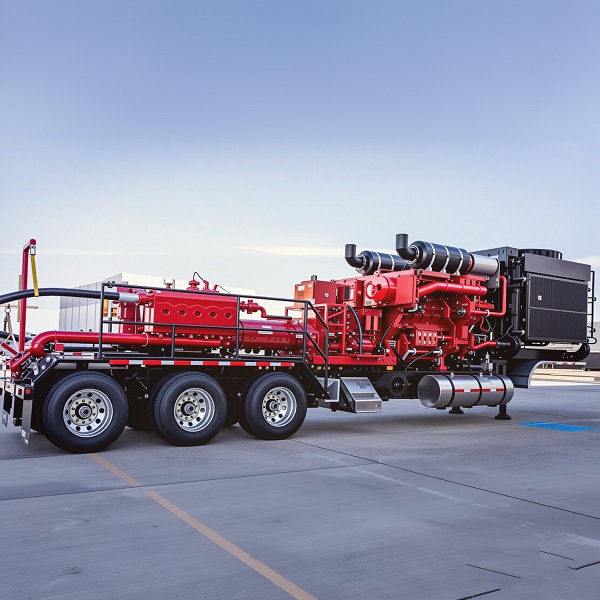
A circulation pump is used to move drilling fluid, mud or other liquids around a well site or drilling system. It's the workhorse that keeps the circulation system flowing —whether that's drilling mud going down the drill string and back up, or kill weight fluid being circulated during well control operations.

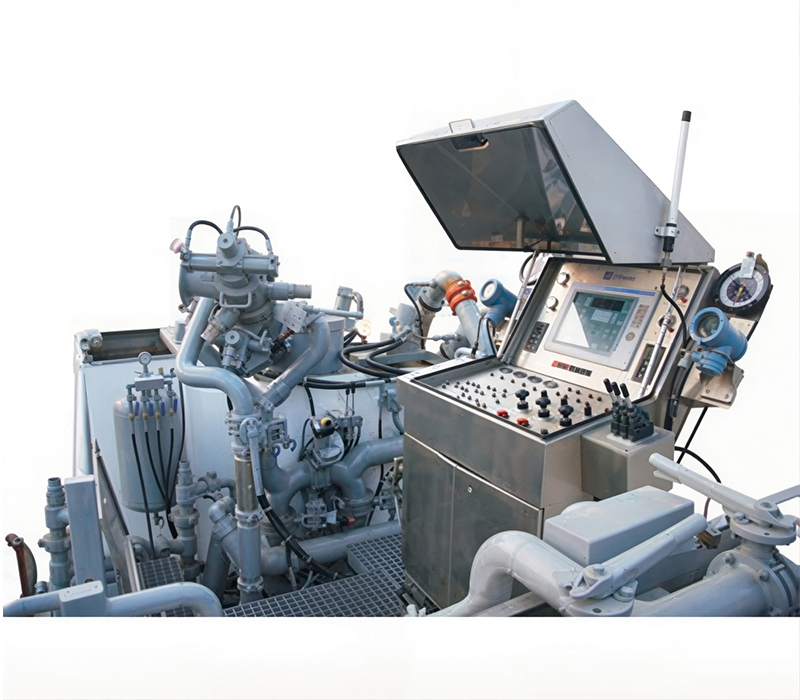
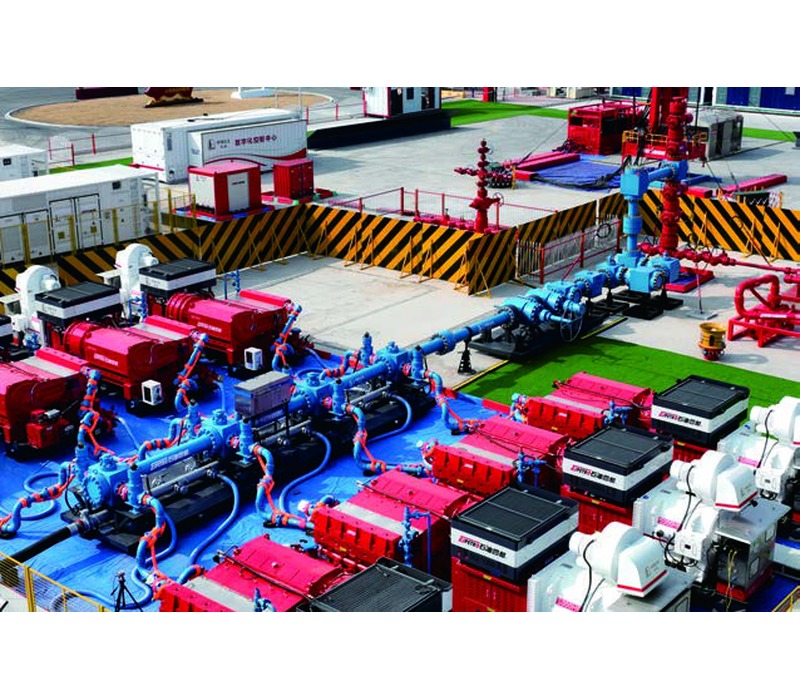
Circulation pump oilfield unit

What Is a Circulation Pump Used For?

Circulation pumps serve several critical functions in oilfield operations:

  • Drilling fluid circulation: Moving drilling mud from the mud pits down the drill string, through the bit, and back up the annulus. This is the primary circulation pump on a drilling rig.
  • Well kill operations: Circulating kill weight fluid into the well to control well pressure during well control events. Critical for well safety.
  • Mud mixing and transfer: Transferring mud between pits, mixing tanks and storage tanks. Keeps the mud system balanced and ready for use.
  • Fluid displacement: Displacing one fluid with another in the wellbore —for example, displacing drilling mud with completion fluid.
  • Well cleanout circulation: Circulating fluid to clean debris out of the wellbore during cleanout operations.

Circulation pumps come in two main types: centrifugal pumps (high flow, low pressure) for mud transfer and mixing, and reciprocating piston/plunger pumps (high pressure) for drilling fluid circulation downhole.

Types of Circulation Pumps

Centrifugal Circulation Pump

Uses a spinning impeller to move fluid. High flow rate (500-2000 L/min) at relatively low pressure (5-15 bar). Ideal for mud transfer, mud mixing and suction boosting on drilling rigs. Simple, reliable and easy to maintain. Mounted on skids or trailers for mobility.

Reciprocating Circulation Pump

Uses pistons or plungers to create high pressure. Lower flow rate (100-500 L/min) but much higher pressure (35-70 MPa). Used for drilling fluid circulation downhole and well kill operations. More complex but necessary for high-pressure applications.

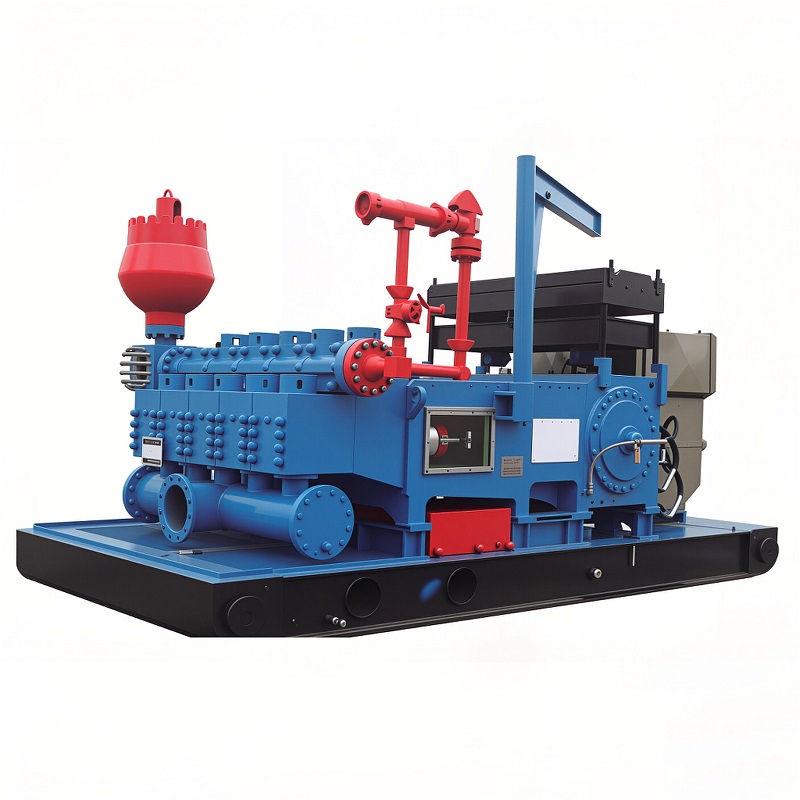
Mud Circulation Pump

A specific type of reciprocating pump designed for drilling mud. Typically triplex (three plunger) design. Provides the pressure needed to circulate mud down the drill string. The main circulation pump on any drilling rig.

Journey Pump

A portable circulation pump used for well kill and well control operations. Mounted on a trailer or skid for rapid deployment. Can be quickly connected to the wellhead to circulate kill fluid. Essential emergency equipment.

Typical Specifications

Parameter Centrifugal Reciprocating
Flow rate 500 - 2000 L/min 100 - 500 L/min
Pressure 5 - 15 bar 35 - 70 MPa
Driver Electric motor or diesel Electric motor or diesel
Mounting Skid / trailer / truck Skid / trailer / truck
Application Mud transfer, mixing Drilling circulation, well kill

Frequently Asked Questions

What's the difference between a circulation pump and a mud pump?

The terms are often used interchangeably, but there's a subtle distinction. A "mud pump" specifically refers to the high-pressure reciprocating pump that circulates drilling mud down the drill string. A "circulation pump" is a broader term that includes any pump used for fluid circulation —including centrifugal transfer pumps and high-pressure reciprocating pumps. On a drilling rig, the mud pump IS the primary circulation pump. The terms are often used interchangeably in practice.

How do I choose between centrifugal and reciprocating?

It depends on your application. If you need high flow at low pressure (mud transfer, mixing, suction boosting), choose centrifugal. If you need high pressure (circulation downhole, well kill, cementing), choose reciprocating. Centrifugal pumps are simpler and cheaper. Reciprocating pumps are more complex but can handle high pressure. Most drilling operations need both types: centrifugal for mud handling, reciprocating for downhole circulation.

Can a circulation pump handle abrasive fluids?

Yes, but it depends on the pump type and materials. Centrifugal pumps with hardened impellers and casings can handle moderately abrasive fluids like drilling mud. Reciprocating pumps with hardened plungers and valves are designed for abrasive slurries. For highly abrasive fluids (like cement slurry or fracturing sand), you need pumps specifically designed for that service with wear-resistant materials. Standard water pumps won't last long in abrasive service.

Need a Circulation Pump?

Tell us your required flow rate, pressure and mounting preference. Our engineering team will recommend the right circulation pump and provide a quote within 48 hours.