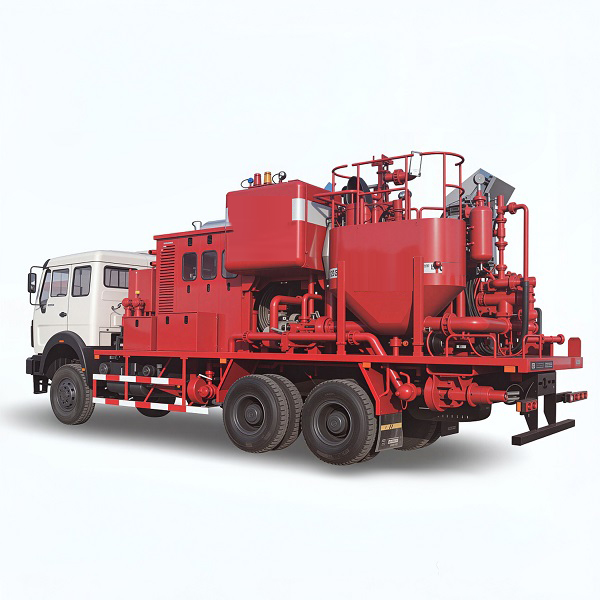
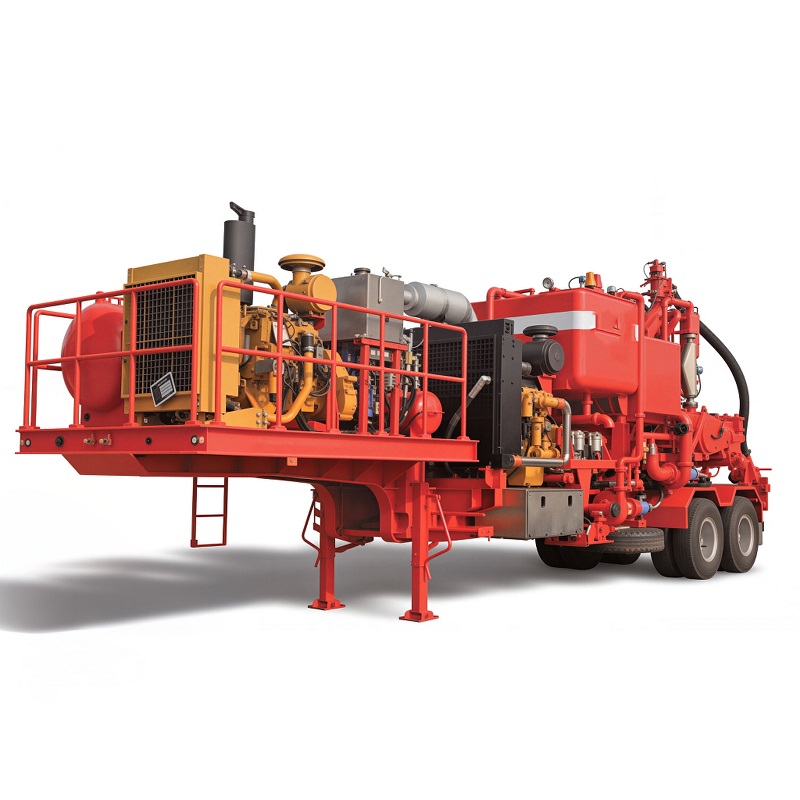
Mini Spread (Shallow / Workover)
1 × Cementing Unit (15-21 MPa)
1 × Batch Mixer Truck
1 × Bulk Cement Truck
1 × Water Tank Truck
Suitable for shallow wells, workover cementing and squeeze jobs. Total fleet size: 4 vehicles.
A cementing spread is a coordinated fleet of cementing units, batch mixers, bulk cement trucks and auxiliary equipment. Service companies use dedicated spreads to deliver consistent, efficient cementing operations across multiple well types and locations.
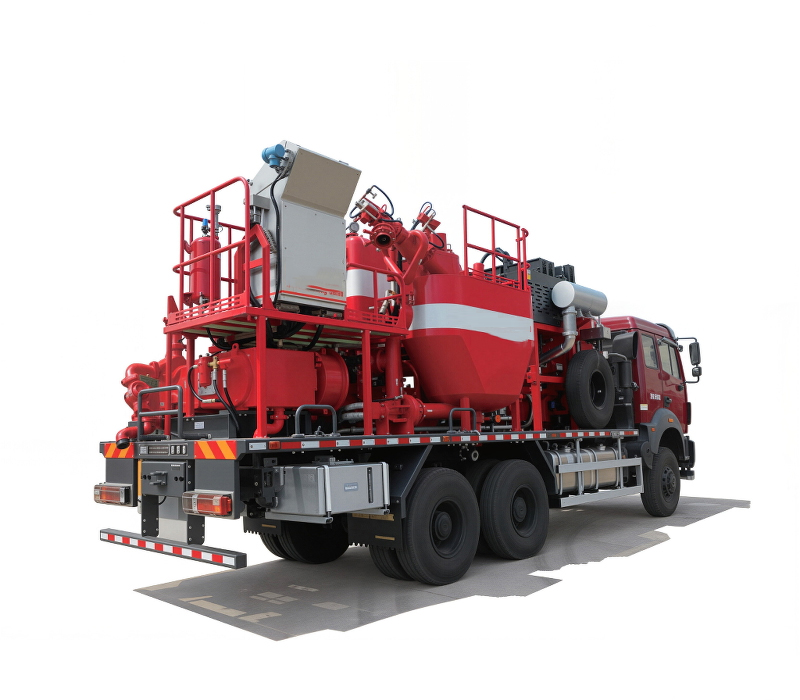
We offer three standard spread configurations based on job size and well type. Each configuration includes the core pumping equipment plus auxiliary units for a complete operating package.
1 × Cementing Unit (15-21 MPa)
1 × Batch Mixer Truck
1 × Bulk Cement Truck
1 × Water Tank Truck
Suitable for shallow wells, workover cementing and squeeze jobs. Total fleet size: 4 vehicles.
2 × Cementing Units (21 MPa)
1 × Batch Mixer Truck
2 × Bulk Cement Trucks
1 × Water Tank Truck
Suitable for primary cementing of medium-depth wells. Redundant pumping capacity for critical jobs. Total fleet size: 6 vehicles.
2 × High-Pressure Cementing Units (28-38 MPa)
2 × Batch Mixer Trucks
3 × Bulk Cement Trucks
2 × Water Tank Trucks
Suitable for deep well primary cementing, HPHT wells and large-volume squeeze jobs. Total fleet size: 9 vehicles.
A professional cementing spread consists of several coordinated vehicle types. Here is the role of each component:
| Vehicle Type | Function | Typical Specification |
|---|---|---|
| Cementing Unit (Pumper) | High-pressure pumping of mixed slurry to the wellhead | 15-38 MPa, 1.2-3.2 m³/min displacement |
| Batch Mixer Truck | Prepares large batches of consistent-density cement slurry | 1.6-3.0 m³ batch volume, recirculation mixing |
| Bulk Cement Truck | Transports and delivers bulk cement powder to the mixer | 20-30 ton capacity, pneumatic discharge |
| Water Tank Truck | Supplies mixing water and displacement fluid | 10-20 m³ water capacity, with pump |
| Control / Data Van | Centralized monitoring, job logging and quality control | Climate-controlled cabin with data acquisition system |
Service companies deploy different spread configurations based on well type, location and job requirements.
Medium-depth exploration wells require a standard spread with redundant pumping capacity. The spread must be mobile enough to move between drilling locations as the rig progresses.
Mature field operations typically involve smaller jobs (squeeze cementing, water shutoff, plugback). A mini spread is sufficient and more cost-effective for this type of work.
Deepwater and HPHT wells require high-pressure spreads with 28-38 MPa pumping capacity. These are often skid-mounted on the platform rather than truck-mounted.
Shale gas plays involve large-volume cementing jobs with multiple casing strings. Large spreads with 2 high-pressure units and multiple batch mixers are typical.
We supply the complete range of vehicles that make up a cementing spread. All units are built to the same standards and use common spare parts across the fleet.
All our cementing units use the same pump fluid end design. One spare parts inventory supports your entire fleet, reducing carrying costs.
Same control interface across all units means your operators only need to learn one system. Faster onboarding and fewer operator errors.
One point of contact for technical support, troubleshooting and spare parts. No finger-pointing between multiple vendors.
All units are built in the same factory to the same quality standards. You know exactly what to expect from every vehicle in the spread.
It depends on your job volume and well types. A small workover service company can start with 1-2 units. A regional service company typically runs 4-8 units across multiple spreads. A national or international service company may operate 20+ units organized into multiple dedicated spreads.
Technically yes, but it creates operational inefficiencies: different control systems require different operator training, different spare parts increase inventory costs, and different manufacturers' support processes create coordination overhead. Sourcing from one manufacturer simplifies fleet management.
A standard cementing spread (6 vehicles) typically generates revenue of $1.5-3 million per year depending on utilization rate and day rates. The capital investment payback period is typically 2-3 years for a well-utilized fleet.
Yes. We provide on-site training for your entire crew, including equipment familiarization, normal operating procedures, maintenance routines and emergency response. We also offer periodic refresh training and advanced troubleshooting workshops.
Absolutely. We adapt the spread configuration to your local conditions: chassis type (local road regulations), climate package (desert / arctic / tropical), power requirements (diesel / electric) and language (operator manuals in English, Russian, Spanish, Arabic).
Tell us about your service area, well types and fleet size plans. Our engineering team will design a complete cementing spread configuration tailored to your business and provide a detailed quotation.