
Dust-Tight Enclosures
All sensitive components are enclosed in dust-tight cabinets. Gaskets, sealed cable glands, and pressurized enclosures keep sand and dust out. Air intakes have multi-stage filtration to capture fine dust particles.
Desert oilfield operations present unique challenges: extreme heat, blowing sand, dust storms, and abrasive conditions. A desert-rated cementing unit is built to handle these conditions —with sealed enclosures, heavy-duty air filtration, enhanced cooling systems, and corrosion-resistant materials. It's the difference between equipment that lasts and equipment that fails in weeks.
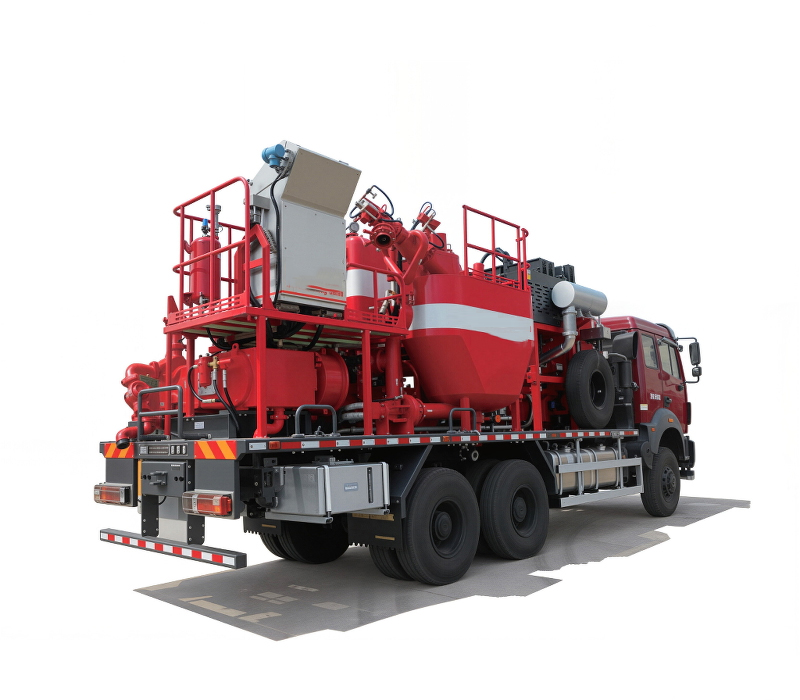
Desert environments push equipment to its limits:
All sensitive components are enclosed in dust-tight cabinets. Gaskets, sealed cable glands, and pressurized enclosures keep sand and dust out. Air intakes have multi-stage filtration to capture fine dust particles.
Oversized radiators, larger cooling fans, and auxiliary cooling systems handle extreme ambient temperatures. Engines run at optimal temperature even in 50C+ conditions. Hydraulic oil coolers prevent overheating.
Seals and wipers are upgraded to resist abrasive sand. Bearings are sealed for life. Valve stems have protective boots. Every component is selected to withstand abrasive desert conditions.
Desert air is often dry and dusty, but coastal desets can have salt-laden air. Equipment has epoxy primer + polyurethane topcoat for long-term corrosion protection. Zinc-plated fasteners resist rust.
Saudi Arabia, UAE, Kuwait, Oman —large desert oilfields with extreme heat and dust. Cementing units must handle 50C+ summers and frequent dust storms.
Algeria, Libya, Egypt, Sudan —Sahara desert operations. Similar conditions: extreme heat, sand storms, remote locations. Equipment reliability is critical.
Kazakhstan, Uzbekistan, Turkmenistan —desert and semi-desert oilfields. Hot summers, cold winters, abrasive dust. Equipment must handle wide temperature swings.
| Parameter | Typical Range |
|---|---|
| Operating temperature | -20C to +55C (desert rated) |
| Air filtration | Multi-stage (primary + safety + secondary) |
| Cooling capacity | Oversized radiator + auxiliary fan |
| Pump flow rate | 0.5 - 2.0 m³/min (130 - 530 gpm) |
| Pump pressure | 5 - 35 MPa (700 - 5,000 psi) |
| Mounting options | Truck, skid or trailer mounted |
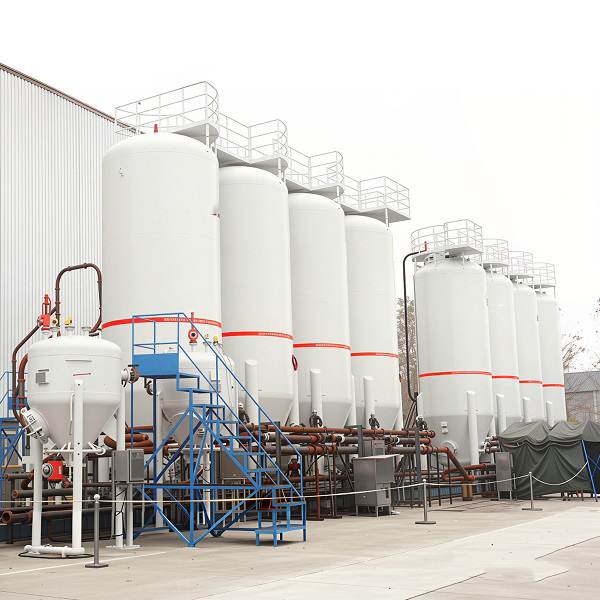
Single-pump desert-rated cementing unit for general oilfield operations. Truck mounted.
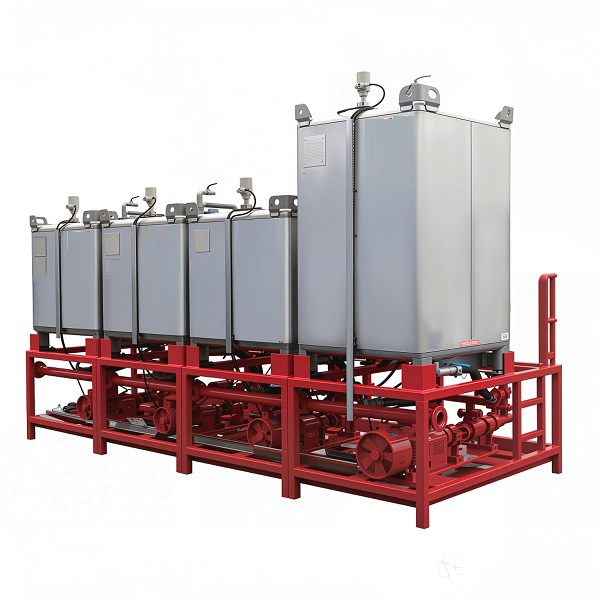
Twin-pump configuration with enhanced desert protection. For demanding desert cementing operations.
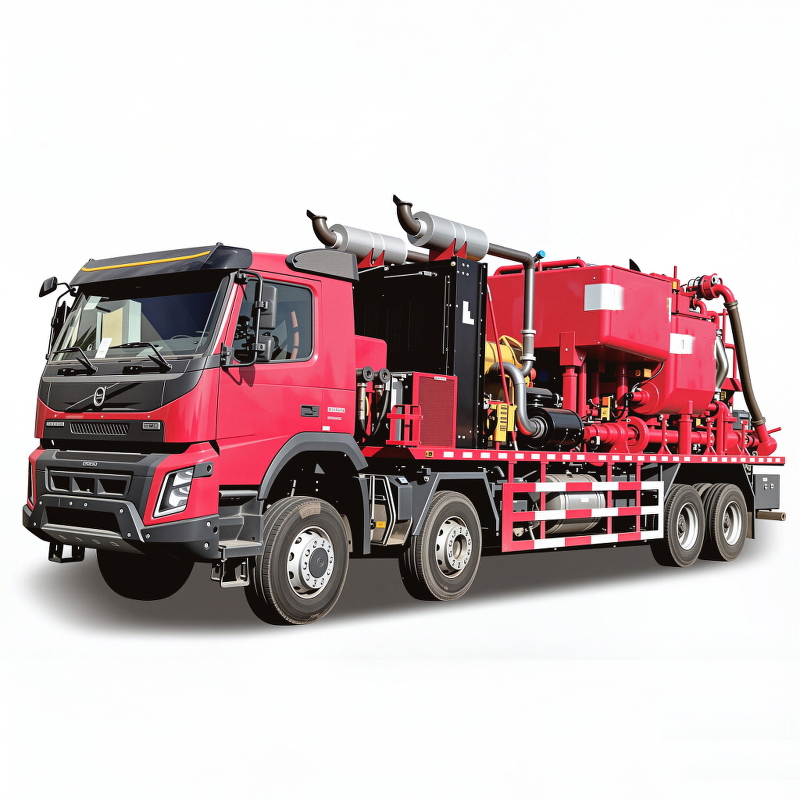
Fully custom desert cementing system designed to your specific operating environment.
A standard cementing unit works fine in moderate climates. A desert-rated unit has extra features: sealed enclosures for dust protection, oversized cooling systems for extreme heat, sand-resistant seals and bearings, and enhanced corrosion protection. If you're operating in the Middle East, North Africa, or Central Asian deserts, the desert-rated unit is worth the investment. Standard units will fail prematurely in those conditions —the dust and heat are just too much for them.
Desert maintenance requires extra attention: check and clean air filters more frequently, inspect seals for sand damage, keep cooling systems clean (radiators clog with dust), and lubricate all moving parts regularly. Inspect enclosures for dust ingress. Keep spare filters and seals on hand. In desert conditions, preventative maintenance isn't optional —it's essential. A well-maintained desert unit will give you years of service; a neglected one will fail in months.
Yes, most desert-rated equipment can handle cold too —especially the Central Asian deserts that get cold winters. The key features (dust protection, corrosion resistance, durable components) work in any climate. However, extreme cold (-40C or below) requires additional features: engine block heaters, winter-grade fluids, cold-weather batteries, and insulated cabinets. If you need equipment for both hot deserts and cold winters, let us know your temperature range —we can configure a unit that handles both extremes.
Tell us your operating location and environmental conditions. Our engineering team will recommend the right desert-rated unit and provide a quote within 48 hours.