
Single-Pump Cementing Unit
One pump for general cementing operations. Compact, economical, and easy to operate. Ideal for smaller jobs: squeeze cementing, plug setting, and smaller primary cementing. Truck-mounted for mobility.
A well cementing unit is essential for establishing and maintaining well integrity. Whether you're drilling a new well, working over an existing one, or plugging and abandoning a well, you need reliable cementing equipment to get the job done right. Poor cementing leads to leaks, lost production, and costly remediation. Good cementing means a well that produces reliably for decades.
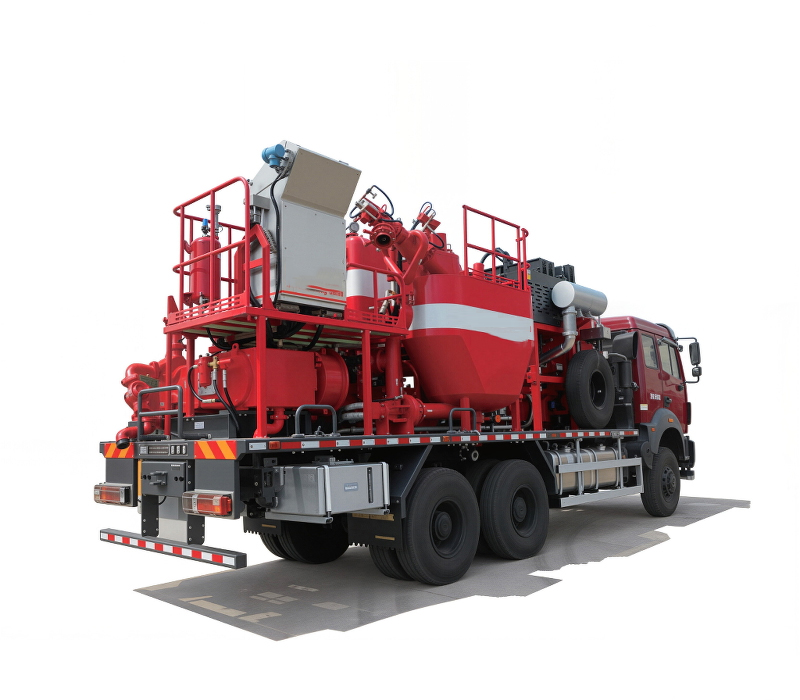
Cementing is one of the most critical operations in well construction:
All of these functions depend on having the right cementing unit —one that can prepare the right slurry and place it where it needs to be, consistently and reliably.
One pump for general cementing operations. Compact, economical, and easy to operate. Ideal for smaller jobs: squeeze cementing, plug setting, and smaller primary cementing. Truck-mounted for mobility.
Two pumps for higher throughput and redundancy. Can run both pumps in parallel for maximum flow, or use one as backup. For larger primary cementing operations and demanding well conditions.
Designed for batch mixing operations. Prepares slurry in discrete batches with precise quality control. For jobs where slurry consistency is critical. Batch by batch, verify and pump.
Combines cement and water on-the-fly for continuous operation. Higher throughput for large-volume cementing. Ideal for primary cementing of long casing strings where speed matters.
Primary cementing of surface, intermediate and production casing. Squeeze cementing to repair casing issues. Plug cementing for abandonment or zone isolation.
Water injection, gas injection, disposal wells. Cementing units provide zonal isolation and casing integrity for injection operations. Critical for maintaining injection efficiency.
Geothermal energy wells require cementing that can handle high temperatures and corrosive fluids. Specialized cementing units for geothermal applications.
| Parameter | Typical Range |
|---|---|
| Pump flow rate | 0.5 - 2.5 m³/min (130 - 660 gpm) |
| Pump pressure | 5 - 35 MPa (700 - 5,000 psi) |
| Mixing tank capacity | 1.5 - 3.0 m³ (400 - 800 gallons) |
| Engine power | 200 - 500 HP (diesel) |
| Number of pumps | 1 (single) or 2 (twin) |
| Mounting options | Truck, skid or trailer mounted |
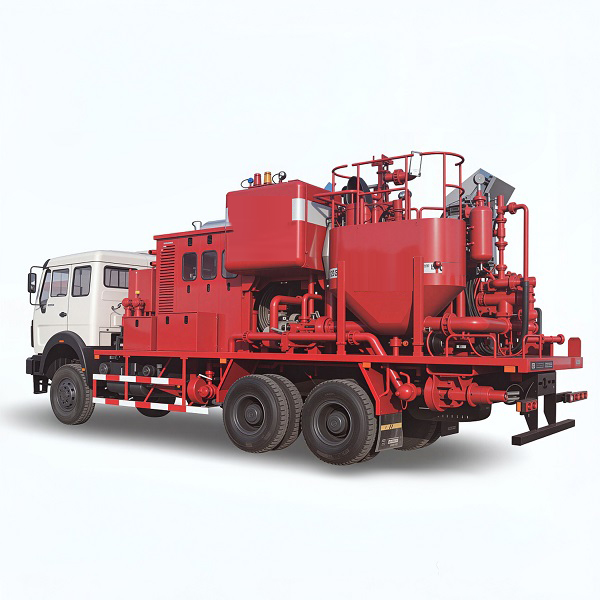
Single-pump well cementing unit for general cementing operations. Truck mounted, road legal.
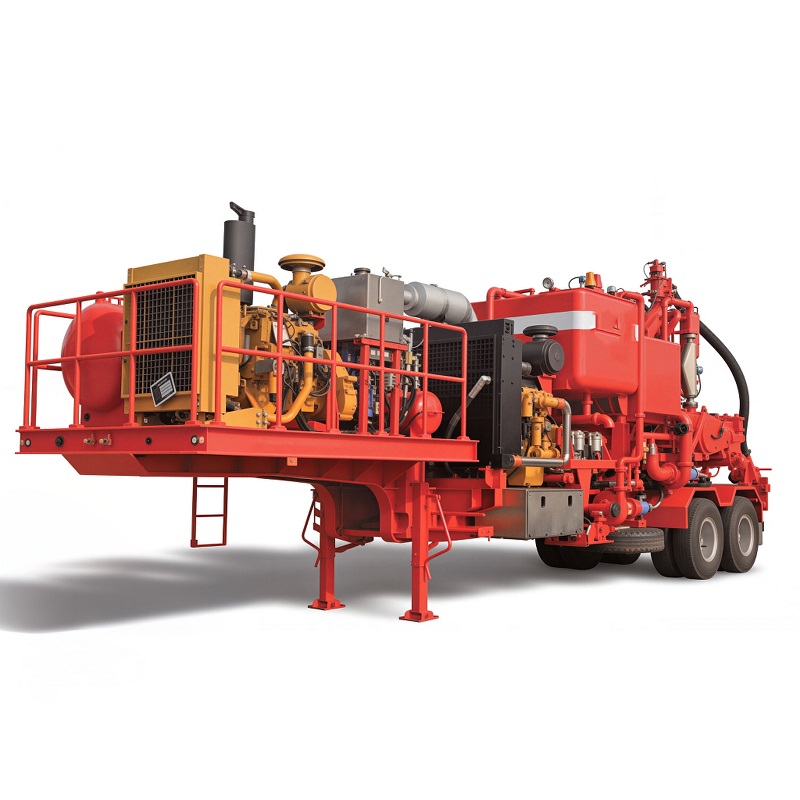
Dual-pump configuration for higher throughput and redundancy. For demanding cementing operations.
Fully custom well cementing system designed to your specific well requirements and operating conditions.
Consider your typical job size, required flow rate, and pressure. If you mostly do smaller jobs (squeeze, plug setting), a single-pump unit will work. If you run large primary cementing operations, a twin-pump unit provides the throughput and redundancy you need. Also think about portability: truck-mounted for on-the-go service, skid-mounted for fixed locations. Our engineering team can assess your operation and recommend the right configuration.
Batch mixing prepares slurry in discrete batches —mix one, pump it, mix the next. Continuous mixing combines cement and water on-the-fly in a steady stream. Batch gives you precise per-batch control but lower throughput. Continuous gives you higher throughput but less per-batch control. Choose based on your priorities: quality control for smaller jobs = batch; speed for larger jobs = continuous.
Routine maintenance: inspect the pump's fluid end for wear, check the mixing tank agitator, calibrate density instruments, lubricate all bearings, change engine oil and filters, and inspect hoses and valves for leaks. Keep a maintenance log. Replace worn components before they cause failures. The cement pump is the most critical part —pay special attention to its condition. Well-maintained equipment lasts longer and fails less.
Tell us your required flow rate, pressure, and mounting preference. Our engineering team will recommend the right unit and provide a quote within 48 hours.