
Cement Pump
The heart of the unit. Positive displacement pump that moves cement slurry at controlled pressure and flow. Triplex or quintuplex pump with hardened fluid ends for abrasive cement slurry.
An oil well cementing unit is the workhorse of well cementing operations. It prepares and pumps cement slurry to secure casing strings, repair casing leaks, and set plugs. Without a reliable cementing unit, you can't achieve proper zonal isolation —and without zonal isolation, your well won't produce as expected. It's one of the most critical pieces of equipment on any wellsite.
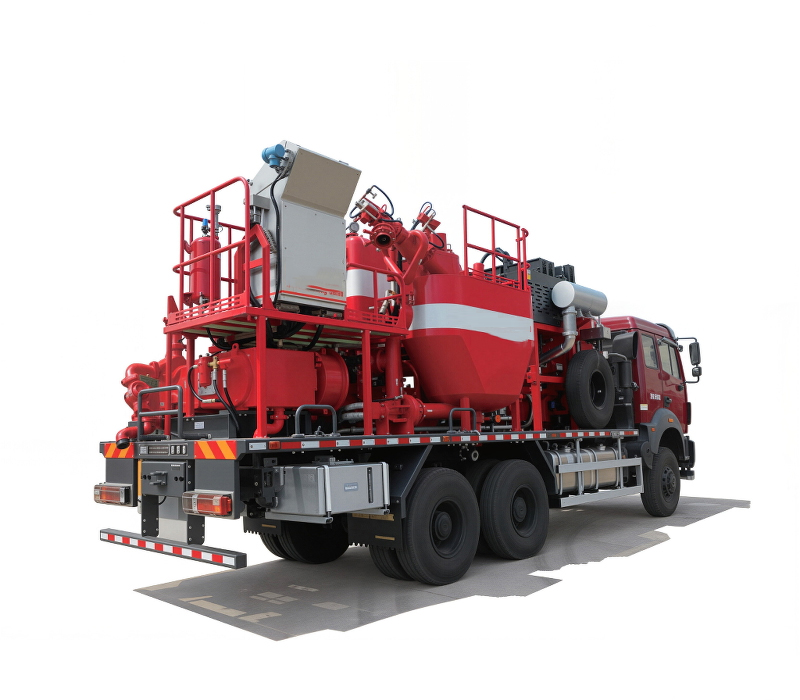
A cementing unit handles three main types of jobs:
Each type of cementing requires different volumes, pressures, and slurry properties. A versatile cementing unit handles all three.
The heart of the unit. Positive displacement pump that moves cement slurry at controlled pressure and flow. Triplex or quintuplex pump with hardened fluid ends for abrasive cement slurry.
The vessel where water, cement and additives are combined. Includes agitator, density indicator, and level gauge. Batch mixing or continuous mixing depending on the unit design.
Metering pumps for liquid additives. Each additive has its own pump and flow control. Common additives: dispersants, retarders, accelerators, fluid loss agents, extenders.
Diesel engine (or electric motor) that drives the pump. Includes cooling system, fuel tank, and engine controls. Sufficient horsepower for maximum pump flow and pressure.
Land drilling operations. Cementing units move from well to well on truck chassis. Common in oil producing regions like the Middle East, North Sea, North America, and Central Asia.
Offshore platforms and rigs. Cementing units are skid-mounted for installation on the platform deck. Must be compact and handle marine environmental conditions.
Well workover and intervention operations. Cementing units are called in for squeeze jobs, plug setting, or remedial cementing. Often smaller units for wellsite deployment.
| Parameter | Typical Range |
|---|---|
| Pump flow rate | 0.5 - 2.5 m³/min (130 - 660 gpm) |
| Pump pressure | 5 - 35 MPa (700 - 5,000 psi) |
| Mixing tank capacity | 1.5 - 3.0 m³ (400 - 800 gallons) |
| Engine power | 200 - 500 HP (diesel) |
| Number of pumps | 1 (single) or 2 (twin) |
| Mounting options | Truck, skid or trailer mounted |
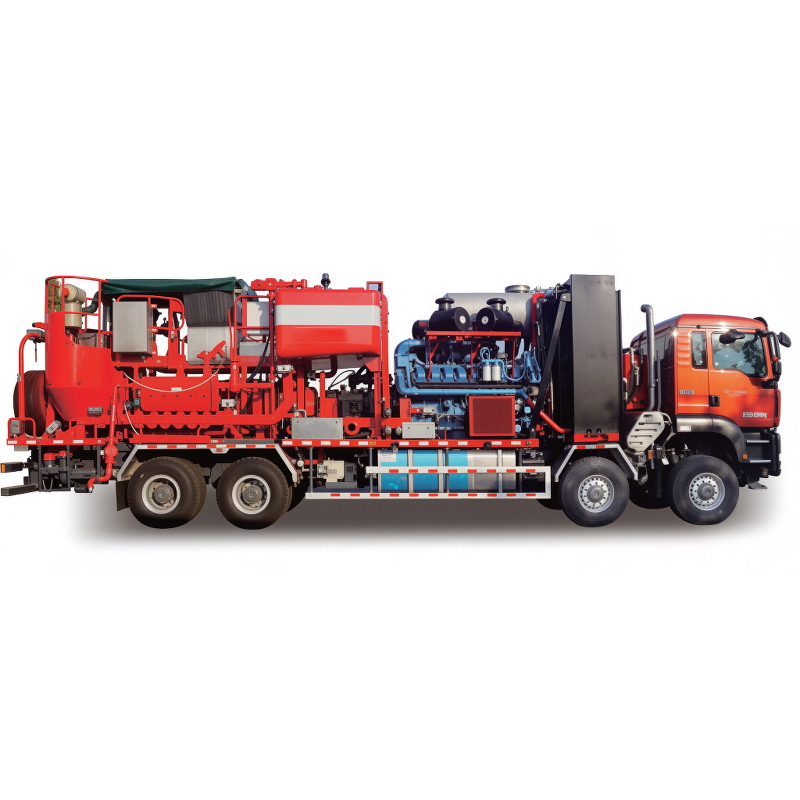
Single-pump oil well cementing unit for general cementing operations. Truck mounted, road legal.
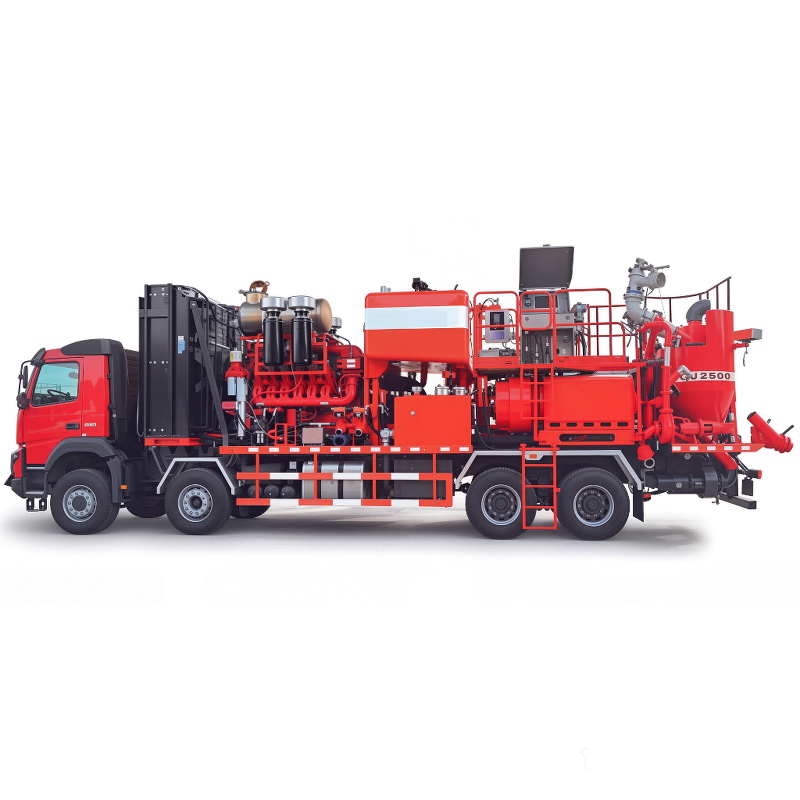
Dual-pump configuration for higher throughput and redundancy. For demanding cementing operations.
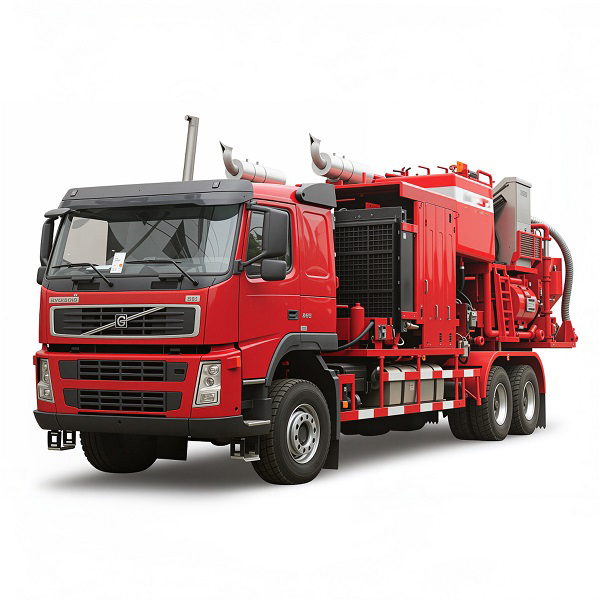
Fully custom oil well cementing system designed to your specific well requirements and operating environment.
Consider your typical job size, required flow rate, and pressure needs. If you mostly do smaller squeeze and plug jobs, a single-pump unit will suffice. If you're running large primary cementing operations with long casing strings, a twin-pump unit provides the throughput and redundancy you need. Also consider portability: truck-mounted for on-the-go, skid-mounted for fixed locations. Our engineering team can assess your operations and recommend the right configuration.
Batch mixing units prepare slurry in discrete batches: mix one batch, pump it, mix the next. Continuous mixing units combine cement and water on-the-fly in a continuous stream. Batch mixing offers precise per-batch control but lower throughput. Continuous mixing offers higher throughput but less per-batch control. Choose based on your job requirements: quality-focused smaller jobs = batch; speed-focused larger jobs = continuous.
Routine maintenance includes: inspect pump fluid end for wear, check mixing tank agitator, calibrate density instrumentation, lubricate all bearings, change engine oil and filters, and inspect hoses and valves for leaks. Keep a maintenance log and replace worn components before they cause failures. The cement pump is the most critical component —pay extra attention to its condition. Well-maintained equipment lasts longer and fails less often.
Tell us your required flow rate, pressure, and mounting preference. Our engineering team will recommend the right unit and provide a quote within 48 hours.